
Thirty years ago, when Kelly Schultz announced his plan to start a pumpkin farm, he said, “Everyone laughed at me.”
Today, no one thinks he was crazy anymore.
At 74 years old, Schultz is the owner and operator of The Great Pumpkin Farm. Located about 15 miles northeast of Buffalo, it is a seasonal destination that attracts over 100,000 visitors each autumn.
In 1993, Schultz, a second-generation antique dealer, purchased a small farm in Clarence, New York, with no prior farming experience. According to CNBC’s report on October 17th, in 2025, The Great Pumpkin Farm generated an annual income of $2 million, despite being open for only seven weeks each year.
This year, the farm opened to visitors from September 19th to October 31st. Visitors come not just to buy pumpkins; with a $20 weekend ticket, they can experience pumpkin-themed mini trains, explore giant corn mazes, participate in pie-eating contests, and enjoy various other colorful amusement activities.
For Schultz and other owners of seasonal businesses, Halloween is big business. A consumer survey released by the National Retail Federation in September predicted that Halloween-related consumer spending in the U.S. in 2026 could reach $13.5 billion. Among the 74% of Americans celebrating the holiday this year, 42% plan to carve pumpkins.
Schultz mentioned, “The number of visitors almost always increases every year” at The Great Pumpkin Farm.
He said, “Some people come almost every weekend in the fall. They love it so much that they keep coming back.”
Running an antique shop and an antique auction house year-round, Schultz revealed that it was a visit to a pumpkin patch in northern New York in the early 1990s that sparked the idea of starting a farm.
“I looked around and thought, ‘I can do better,’” said Schultz. When an old dairy farm adjacent to his antique store went up for sale for around $650,000, he purchased the 85-acre plot of land.
With the help of local farmers, Schultz learned how to grow pumpkins. In 1996, The Great Pumpkin Farm officially opened. However, Schultz had bigger plans for the farm. That same year, he invited Ray Waterman, the founder of the World Pumpkin Confederation, to host the annual world pumpkin weigh-off competition at his farm. The organization is dedicated to breeding giant pumpkins and various types of squash.
Schultz purchased prize indemnity insurance to cover the prize money for the competition and offered a $50,000 reward to any participant who brought a pumpkin weighing 1,000 pounds or more. To promote the weigh-off, he advertised in newspapers nationwide. Eventually, a couple from Lowville, New York, grew a pumpkin weighing an astounding 1,061 pounds, breaking the world record at the time.
“I was featured in magazines and newspapers worldwide, which instantly made us famous,” Schultz recalled.
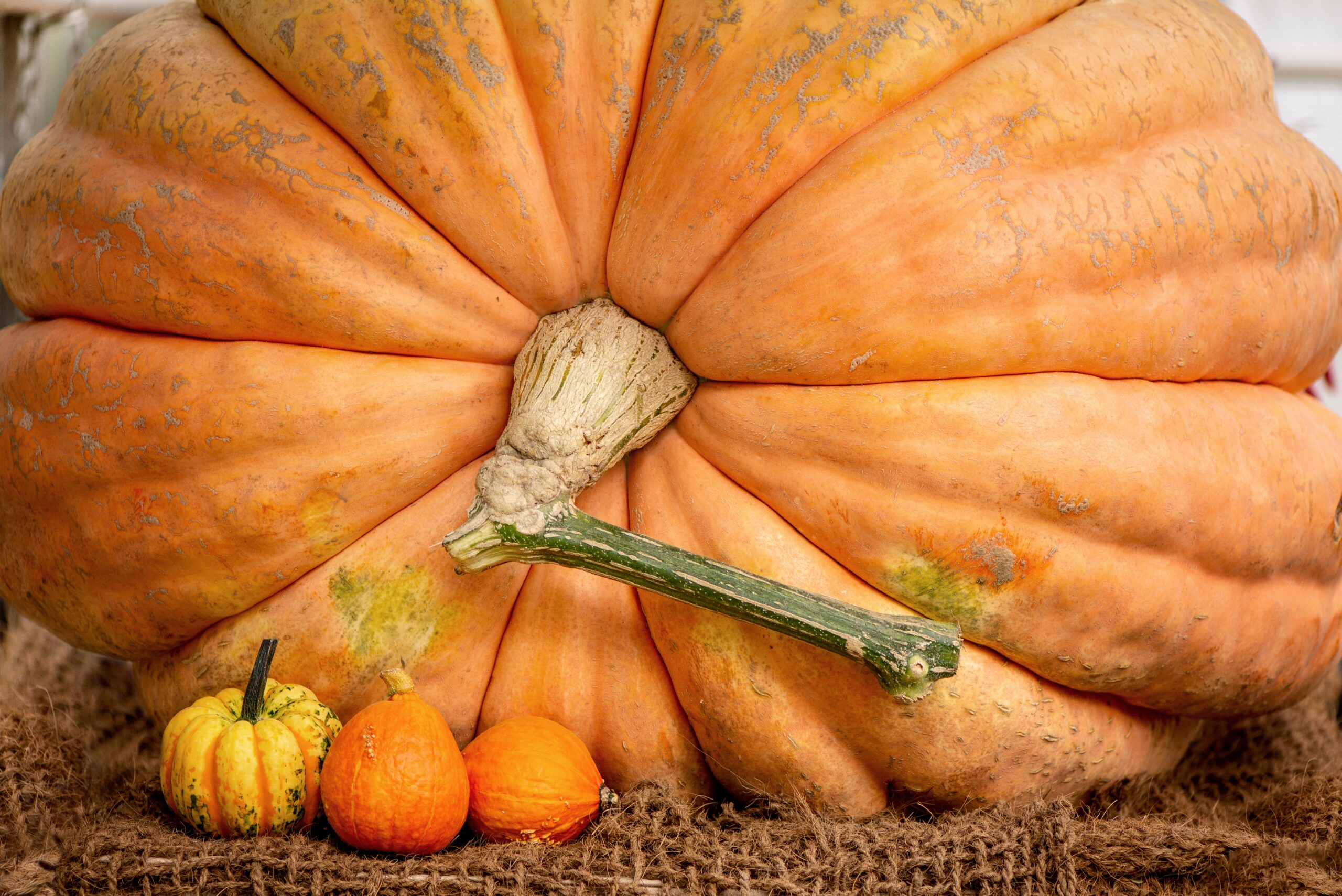
Today, The Great Pumpkin Farm hosts an annual pumpkin weigh-off competition every October. This year, the heaviest pumpkin reached an astonishing 1,908.5 pounds, nearly twice the weight of the winning pumpkin in 1996.
Currently, Schultz no longer focuses on growing pumpkins. To meet market demand, most of the pumpkins sold at the farm are sourced from nearby farms. However, the 50-foot tall pumpkin pyramid visible from the highway remains a standout feature for visitors. Schultz mentioned that the farm prepares over 25,000 pumpkins each year.
Additional paid entertainment activities at the farm include experiencing amusement facilities, pumpkin cannons, carnival games, and a Buffalo Bills-themed corn maze. In addition to the farm’s own bar and bakery, Schultz has invited various festival food stands offering a variety of cuisine from BBQ to specialty grilled cheese sandwiches.
“You can spend an entire day here and still not experience all the activities,” he said.
Weekdays do not require tickets, and the atmosphere is more peaceful and relaxing. Visitors can buy pumpkins, explore Halloween-themed shops, bars, and bakeries, and enjoy outdoor playgrounds, an animal interaction area, and a hay maze.
Building this autumn celebration requires a large workforce. The farm is open for seven weeks each year, during which Schultz employs over a hundred seasonal workers for diverse tasks, from driving tractors to provide hayrides to selling pumpkin donuts.
Schultz mentioned that with approximately 300 acres of land surrounding the farm, there is always room for expansion. Each year, he strives to add something new and interesting or upgrade existing facilities.
“I believe the pumpkin farm will be a generational business,” he continued, “It is truly a family activity.”
Throughout October, the farm is vibrant and lively, but everything comes to an end after Halloween. The animals in the petting zoo are returned to their original farms, the amusement park rides are packed up, and the remaining pumpkins are taken by pig farmers for feed. Schultz noted that it takes about a month to clean up and pack everything on the farm.