
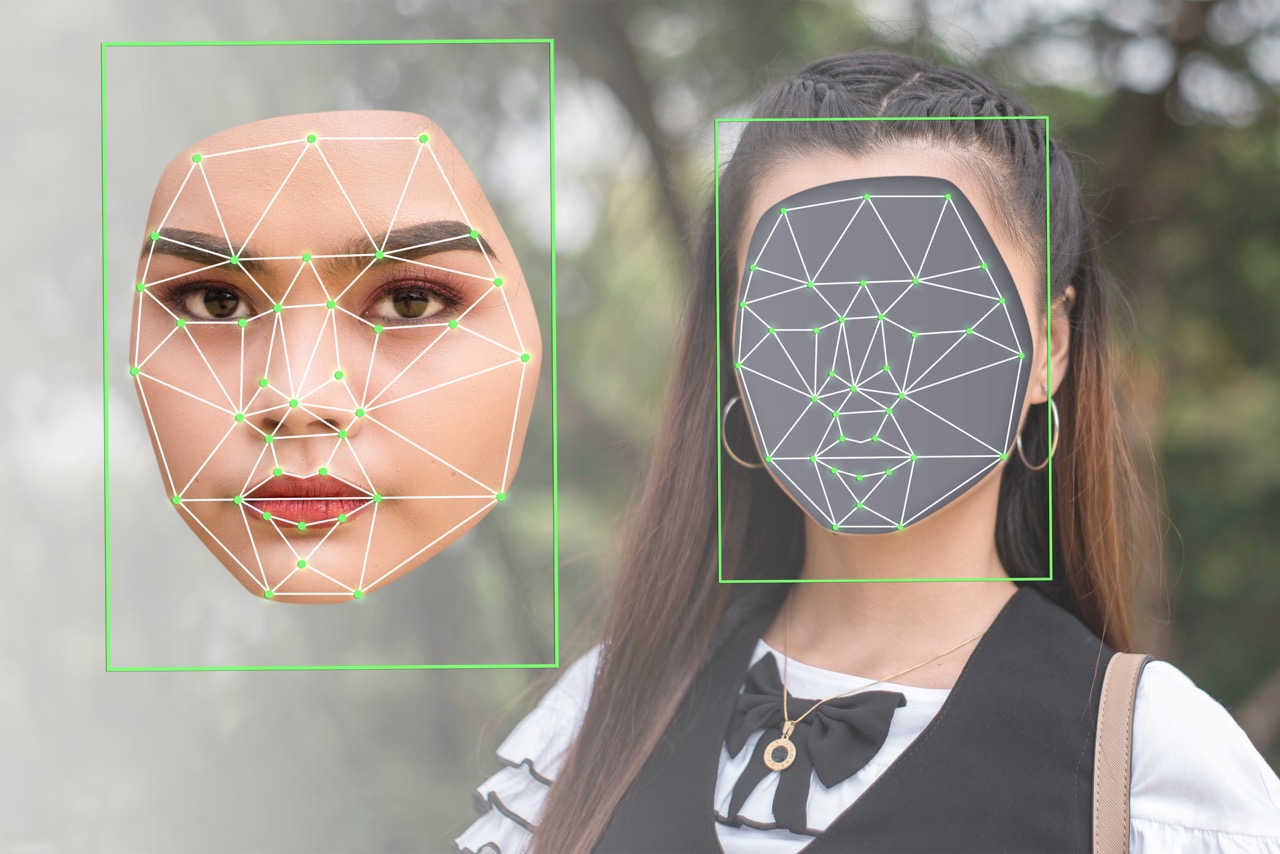
On Thursday, October 15th, American artificial intelligence company OpenAI expressed to the US judicial authorities that even with continued technological advancements in the future, it may not be possible to find a scientific method to accurately distinguish all AI-generated images. Meta also pointed out that it is increasingly difficult to discern the authenticity of audiovisual content produced by the next generation of AI models with the naked eye.
Representatives from the two companies attended a meeting of the Advisory Committee on Evidence Rules in Boston on that day. The committee has been studying the issue of AI-generated evidence falsification since 2023 and considering whether specific rules need to be established.
According to Reuters, Shira Anderson, a policy advisor at OpenAI, stated that AI-generated images will only become more realistic, and she does not believe a scientific method will be found in the future to accurately identify all AI-generated images.
Devin Norder, the Product Management Director at Meta, noted that the audiovisual content produced by the next generation of AI models is already difficult to distinguish in terms of authenticity with the naked eye. Additionally, the production speed is fast and costs are low.
A survey released by the Federal Judicial Center in March of this year revealed that out of 931 surveyed judges, 15 had encountered litigation parties questioning the authenticity of evidence based on “deepfakes.” However, this does not mean that the related evidence has been proven to be fabricated.
Chairing the committee, federal judge Jesse Furman of Manhattan stated that while there have been concerns about AI affecting judicial proceedings, there have not been many actual controversies arising. He announced the formation of a task force on Thursday to continue studying how courts should handle such evidence.
Currently, technology companies such as OpenAI and Meta have introduced tools to identify AI-generated content, and California and the European Union have also required the adoption of watermarking and other technologies to assist in identifying AI content.
However, Anderson pointed out that different companies use different technologies, and there is currently no universal method to identify all watermarks, nor can the authenticity of each image be guaranteed.
There is still division within the US judicial community regarding the need to establish specific evidence rules. Federal judge Valerie Caproni of Manhattan believes that there is currently not enough evidence to show that deepfakes have become a widespread issue in courts, and it is not advisable to rush into new regulations. She emphasized that existing laws already prohibit the submission of false evidence, and judges have the authority to examine the authenticity of evidence.
The US judicial authorities have not yet decided whether to amend the evidence rules, and related research is ongoing.