
Baseball is considered one of the most iconic sports in the United States. Its history in the country dates back to before the Civil War, leaving behind many classic moments that span generations: Jackie Robinson breaking the racial barrier in professional baseball, Willie Mays’ legendary catches, Babe Ruth’s famous “called shot” home run, and Lou Gehrig’s farewell speech at Yankee Stadium.
Now, this sport deeply rooted in American culture has seen a change in ownership of its key equipment brands to a Chinese company.
Wilson and Louisville Slugger are both long-standing baseball equipment brands in the United States, seen from youth leagues to the professional field. Los Angeles Dodgers’ former ace pitcher Clayton Kershaw has long used Wilson gloves; while stars like Ronald Acuña Jr. and Kyle Schwarber use Louisville Slugger bats.
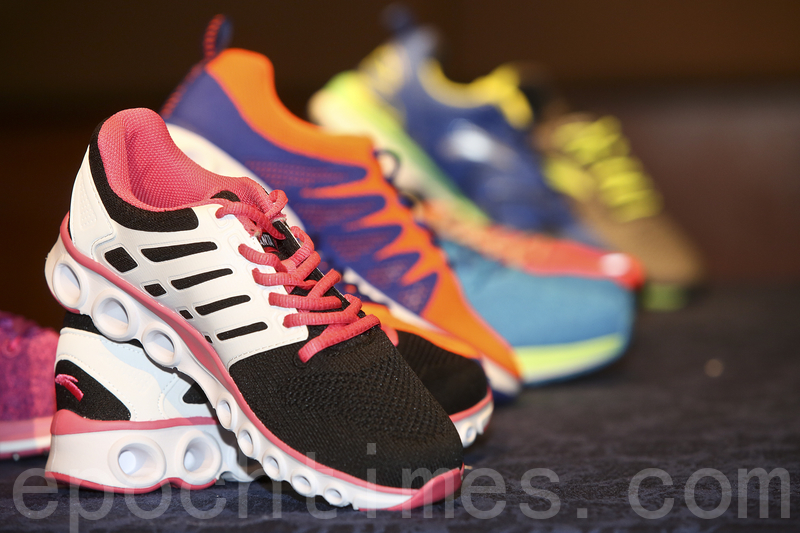
However, both of these iconic American brands are now owned by Amer Sports, a sports equipment conglomerate led by Chinese company Anta Sports.
According to Ian Miller, a columnist for OutKick under Fox News, this not only represents a transfer of brand ownership, but also reflects the long-term competitive challenges that Western companies face after outsourcing production to China.
Louisville Slugger was founded in the 1880s and was long operated by the American family business Hillerich & Bradsby Company. In 2015, the company sold the Louisville Slugger brand and related business to Wilson.
At the time, John A. Hillerich IV, then CEO of the company, stated that faced with large multinational sports equipment companies with abundant resources, the family business had little choice but to sell the brand.
Wilson, founded in 1914, was also initially a family business and was acquired by Finnish sports equipment company Amer Sports in 1989. In 2018, a consortium led by Chinese company Anta Sports proposed the acquisition of Amer Sports, completing the transaction in 2019. This allowed Anta to gain control of the group and indirectly incorporate Wilson and Louisville Slugger under its umbrella.
Anta Sports also owns international brands such as Salomon, Arc’teryx, and Atomic. This acquisition not only expands Anta’s international market presence but also grants access to several globally renowned brands.
Anta Sports, founded in 1991 and headquartered in Jinjiang City, Fujian Province, China, has been noted by Miller for taking over overseas brands’ production businesses and accumulating manufacturing, product development, and enterprise management experience. Some companies use this experience to develop their brands, becoming competitors to the original companies.
Miller uses Nike as an example, stating that Western brands originally outsourced production to China to save costs, but in the long run, it may have nurtured strong competitors. Chinese domestic sports brands expanding in the domestic market and venturing into overseas markets put more pressure on Western companies. Miller especially points to Nike’s significant stock price decline, illustrating the predicament of Western sports equipment companies.
Aside from commercial competition, Miller questions Anta’s relationship with the Chinese Communist regime through two incidents.
In 2019, after then-Houston Rockets general manager Daryl Morey voiced support for Hong Kong pro-democracy protests on social media, Anta announced the suspension of renewal negotiations with the NBA. This incident drew widespread attention from the sports and business world, indicating that political controversies could affect business cooperation between Chinese companies and overseas sports organizations.
In 2021, Anta founder Ding Shizhong announced the donation of approximately $1.2 billion worth of company shares to a charity foundation. Miller questions potential ties between such foundations and the Chinese Communist regime and quotes Forbes’ analysis of Anta and other Chinese sports brands: as a significant portion of their revenue comes from the domestic Chinese market, their business decisions are highly influenced by local environments and policy positions.
Miller compares the change in ownership of American baseball brands to the situation of London’s famous department store Harrods, owned by a Middle Eastern sovereign wealth fund. He believes that Western enterprises with historical and cultural significance are gradually falling into the hands of foreign capital, whose politics and values may not align with Western societies.
This year marks the 250th anniversary of America’s founding, with Major League Baseball also holding related commemorative events. According to Miller, as the United States celebrates its national history and baseball tradition, it is intriguing to see two hundred-year-old brands symbolizing American baseball culture controlled by a group led by a Chinese company.