
When boarding a plane, encountering delays in takeoff time is a common occurrence, especially at busy international airports. Choosing to fly from airports with higher punctuality rates increases the likelihood of on-time departure and reduces the chances of further delays during the flight. So, where can we find the most punctual airports in the world?
According to the aviation news website “Simple Flying,” flights are often delayed due to various factors such as weather, airspace congestion, ground staff availability, etc., which are unrelated to the airlines or the aircraft themselves. This situation is particularly common at large international airports with frequent flight operations, often causing stress for passengers or flight interruptions.
However, some airports experience very few flight delays or interruptions, providing passengers with a smooth travel experience. These airports are not major global hubs, which means that the lower number of flights reduces the pressure on airport congestion.
Cirium, an aviation analytics company, defines on-time flights as those that depart from the gate within 15 minutes of the scheduled departure time. Based on this criterion, they have selected the top five airports globally with the highest punctuality rates, with four of them located in the Americas. Here is an introduction to the top three airports:
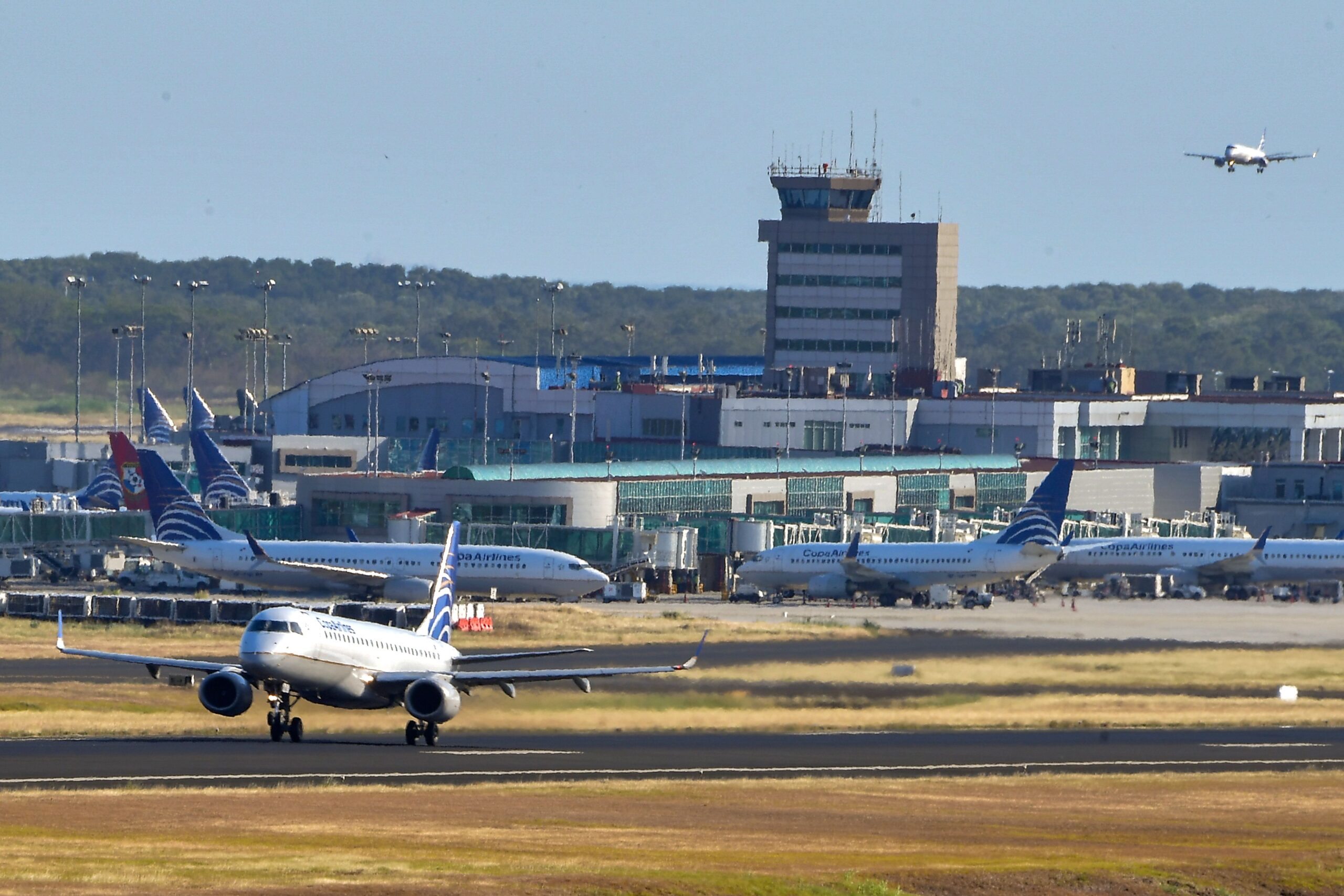
The first-ranked airport is Tocumen International Airport (IATA code: PTY) in Panama City, where out of 148,065 flights analyzed, the punctuality rate reaches an impressive 93.34%.
Unlike the other four airports on the list, which are classified as small airports, PTY is categorized as a medium-sized airport due to handling nearly 150,000 flights, far exceeding the others on the list. This achievement places it at the top of the list of the five most punctual airports, which is quite impressive.
As the base of Copa Airlines, the national airline of Panama, PTY is particularly noteworthy. Copa Airlines operates a fleet of over 100 Boeing 737 aircraft, serving nearly 100 destinations, establishing itself as a major player in the Latin American aviation industry.
PTY’s strategic location allows it to cater to both North and South America, with Boeing 737 flights reaching almost all major destinations. This results in lower operational costs for Copa Airlines, making its routes and flight schedules highly appealing to passengers.
PTY boasts two runways, one measuring 8,799 feet (2,682 meters) and the other 10,007 feet (3,050 meters) long. With two terminal buildings and a total of 54 gates, the airport handles over 21 million passengers annually, making it the largest and busiest airport in Central America, offering direct flights to the US, Canada, Mexico, Spain, France, the Netherlands, and Turkey.
Apart from Copa Airlines, other carriers using PTY include American Airlines, United Airlines, Delta Air Lines, Air France, Turkish Airlines, and Air Europa.
The second-ranked airport is Jose Joaquin de Olmedo International Airport (IATA code: GYE) in Guayaquil, Ecuador, with a punctuality rate of 91.47% out of 34,068 flights analyzed.
GYE is Ecuador’s second busiest airport, serving up to 7.5 million passengers annually and acting as a hub for Avianca Ecuador and LATAM Ecuador.
Primarily catering to international travelers, GYE operates flights by US and European airlines. Additionally, it serves as a stopover and refueling point for domestic flights to the Galápagos Islands.
With a runway length of 9,154 feet (2,790 meters), GYE’s design accommodates aircraft like the Boeing 747, as its altitude is almost equivalent to sea level, imposing minimal performance restrictions on takeoffs and landings. The airport features a terminal building with 8 passenger gates and 8 cargo aircraft stands.
The third-ranked airport is El Salvador International Airport (IATA code: SAL) in Comalapa, El Salvador, achieving a punctuality rate of 90.28% out of 47,203 flights analyzed.
SAL ranks as the third busiest airport in Central America, serving as a base for Avianca El Salvador and Volaris El Salvador.
Known for its highly competitive infrastructure and top-notch security systems among Central American airports, SAL efficiently handles regional and international flights from North America, despite not having a massive number of flights.
With a runway length of 10,499 feet (3,200 meters) and a sea-level equivalent altitude, SAL’s operations experience minimal performance restrictions. It houses two passenger terminal buildings and a dedicated cargo terminal.
SAL’s US routes witness significant traffic, with both American Airlines and United Airlines operating flights to the airport from multiple hubs, while Delta Air Lines flies to SAL from its Atlanta hub.