
In response to the controversy surrounding the renaming of the “Taiwan Pavilion” at the Gwangju Biennale in South Korea to “National Taiwan Museum of Fine Arts (NTMoFA)”, the Ministry of Culture of the Republic of China continues to protest. On the 25th, the Ministry demanded that the organizers publicly commit by the 26th to fulfill their obligations as agreed. The Gwangju Biennale Foundation, the organizing body, has stated that the exhibition will be presented under the name “Taiwan Pavilion.”
The decision by the Gwangju Biennale to unilaterally rename the Taiwan Pavilion as the National Taiwan Museum of Fine Arts (NTMoFA) sparked protests from the art communities of both Taiwan and South Korea. On the 25th, the Ministry of Culture of the Republic of China issued another statement, strongly protesting against the organizers and venue management for obstructing the original exhibition schedule of the “Taiwan Pavilion”, which was set to be installed on the 18th. The Ministry of Culture requested the organizers to publicly commit to honoring the agreement and allow Taiwan to enter the exhibition under the name “Taiwan Pavilion.”
The Gwangju Biennale Foundation stated today (26th) that the Ministry of Culture of Taiwan has officially issued a document confirming the Pavilion’s name to the National Taiwan Museum of Fine Arts. The content of the document reads, “This document is issued in response to the request from the Gwangju Biennale Foundation, confirming your institution representing Taiwan’s participation in this edition of the Gwangju Biennale Pavilion project, and certifying the use of the name ‘Taiwan Pavilion'”. It is an official certification document.
The Gwangju Biennale Foundation confirmed that they have received the official document from the National Taiwan Museum of Fine Arts and completed the approval process. This means that the exhibition organized by the National Taiwan Museum of Fine Arts has been approved to be presented officially under the name of the “Taiwan Pavilion” at the 16th Gwangju Biennale.
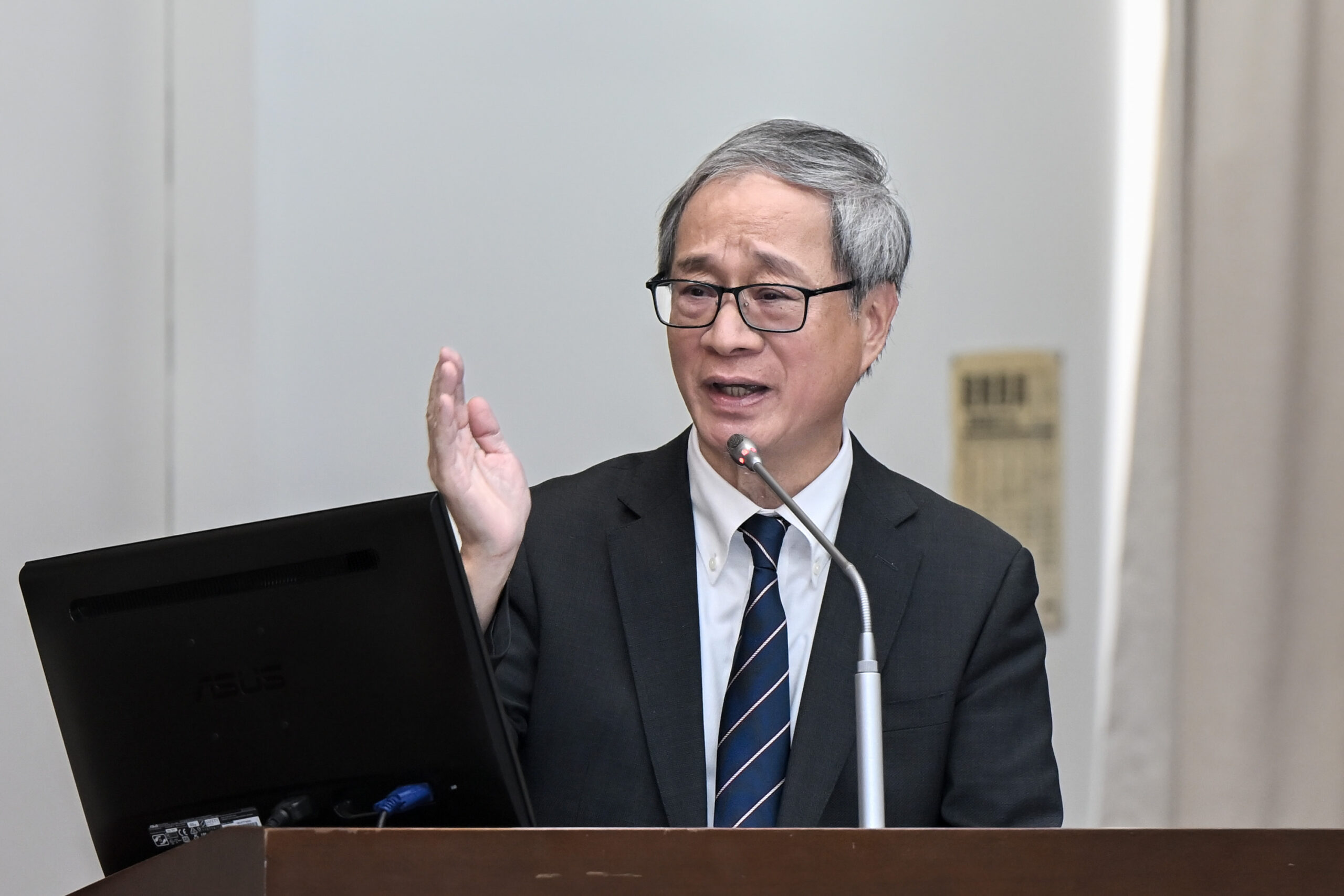
Minister of Culture of the Republic of China, Li Yuan, posted on Facebook expressing his satisfaction with the positive response received from the Gwangju Biennale at the final moment. He mentioned that the exhibition name and all official promotional materials will use “Taiwan”. He emphasized that the spirit of Gwangju is still alive, which is the spirit they have been eagerly anticipating.
Li Yuan pointed out that a few days ago, the Ministry of Culture had already drafted a statement to withdraw from the Gwangju Biennale, but it was not released promptly. He questioned, “What were we waiting for? What were we so eager for? Was it because our young artists in Taiwan believed that there is a place for them in the world? We should not compromise our principles.”
He expressed, “Were we so eager to prove once again that our name is Taiwan? Not really. Over the years, wherever Taiwan’s presence was felt in the world, external pressures have often followed. But please believe, even if our name is erased, Taiwan remains a powerful entity in the world.”
“Why do we refuse to give up and keep fighting?” Li Yuan believed, “It’s because we believe in democracy in Korea, in the strength of the Korean people, and in the friendship from artists worldwide. We do not want to easily give up this belief.”
Li Yuan shared his experience of witnessing the “June Democracy Protests” in Korea in 1987, and how Korean people fought for democracy, freedom, and human rights with their lives, leading to the transition from dictatorship to democracy. He recalled a young Korean civil servant saying in an interview with foreign media that diligent efforts under a dictatorship would eventually bring about a new era where the dictatorship would be eliminated.
Li Yuan was moved to tears at that moment, believing that the determined young people in Korea could steer their country towards a brighter future. He emphasized the parallel democratic processes in Korea and Taiwan, saying that they should cherish their similar struggles and longstanding friendship.
In the end, Li Yuan expressed gratitude for the positive response received from the Gwangju Biennale, where the exhibition name and all official materials will use “Taiwan.” He thanked all the strangers who stood up during these challenging and time-sensitive days. He concluded by saying, “Delayed justice is still justice. The spirit of Gwangju lives on, which is the spirit we have been eagerly anticipating.”