
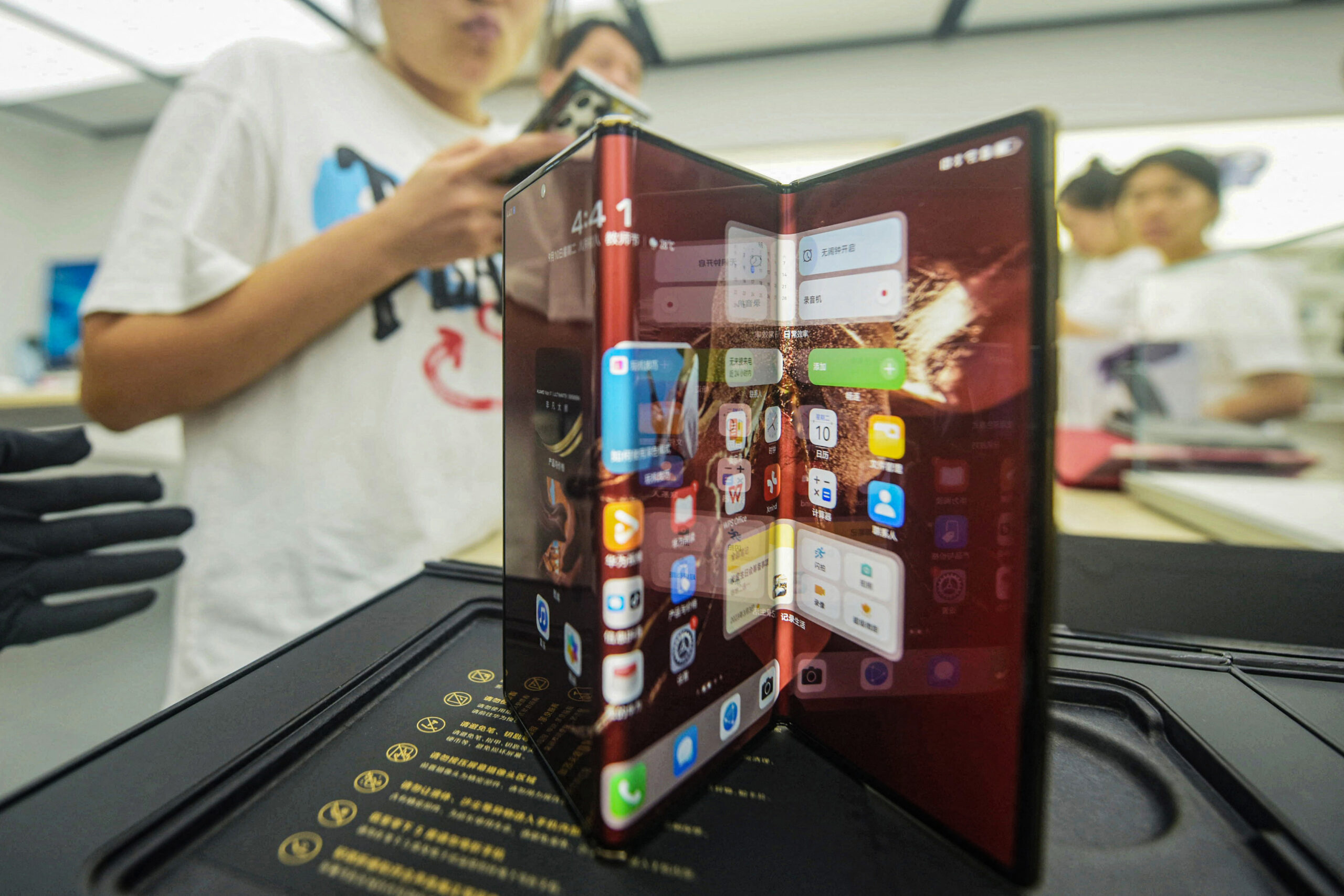
Facing the rising cost of storage chips (also known as memory chips) and increased R&D investment, the profits of Huawei, China’s leading technology company, have significantly declined.
According to the financial data released on Monday (August 31), Huawei’s net profit for the first half of 2026 decreased by 36% year-on-year to 23.81 billion yuan; revenue increased by 10% to 468 billion yuan. During the same period, the company’s R&D investment increased to 121 billion yuan.
Most of Huawei’s revenue comes from its telecommunications and consumer businesses.
To cope with the rising costs, Huawei made large-scale purchases of raw materials in the first half of the year, leading to a net cash outflow of 39.9 billion yuan, exacerbating the decline in profits.
Several media reports in July mentioned that Huawei had repeatedly requested lower supply prices from China’s storage chip company, Changxin, but their requests were rejected.
Against the backdrop of the surge in demand driven by the global construction of artificial intelligence (AI) data centers, storage chips, which used to have thin profit margins, have suddenly become in high demand.
Insiders also revealed that in June, several engineers from SiCarrier, a equipment supplier closely connected to Huawei, were sent to Changxin’s core R&D factory in Hefei, Anhui Province to assist with equipment maintenance. However, they were quickly ordered by Changxin to stop work immediately, pack up their tools, and leave the factory. There was no prior warning or explanation, and they were not allowed to return afterwards.
In the face of the skyrocketing cost of storage chips, Huawei has so far refrained from increasing prices for its smartphones.