
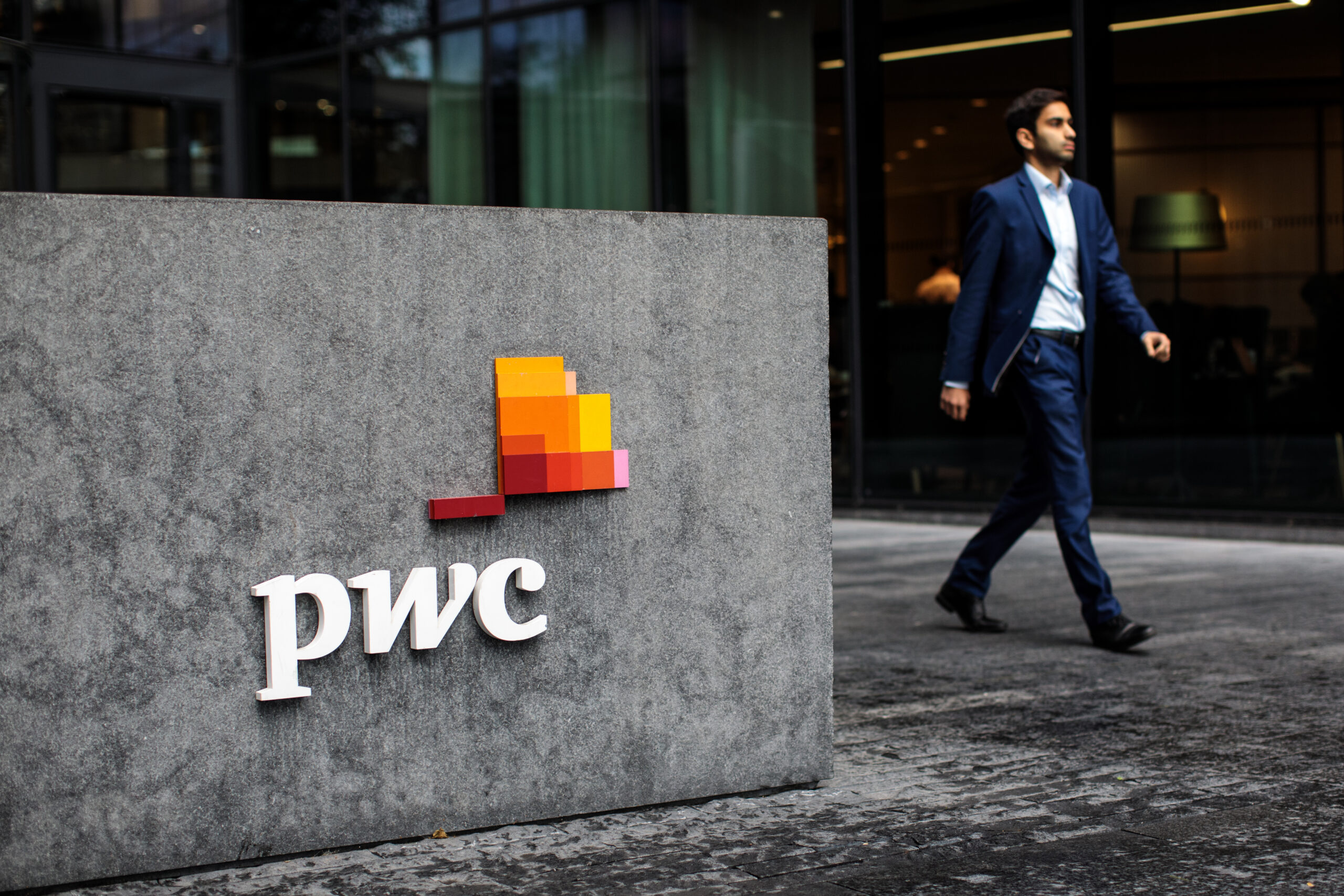
China’s Evergrande Group founder Xu Jiayin and 57 others were recently sentenced, but the aftermath of the case is far from over. The Hong Kong High Court has rejected PricewaterhouseCoopers International’s request to be removed from the list of defendants in the lawsuit, ruling that they must continue to defend against the massive compensation claim filed by Evergrande’s liquidators.
Evergrande Group was found to have inflated its revenue, disguising losses as huge profits. PricewaterhouseCoopers (PwC), the international accounting firm, was the auditing firm at the time and is considered by Evergrande’s liquidators to bear non-transferable responsibility.
The liquidators of Evergrande previously filed a lawsuit with the High Court, alleging negligence on the part of PwC Hong Kong (also known as PwC Hong Kong) and PwC China during the auditing process for Evergrande from the fiscal year 2017 to 2020. Based on the consolidated financial statements issued by PwC Hong Kong and PwC China, Evergrande distributed a total of 42.355 billion RMB in dividends. As a result, Evergrande suffered significant economic losses. The liquidators are claiming a total of approximately 57.937 billion RMB from the relevant PwC entities, including a claim of 38 billion RMB against PwC International.
On August 26, 2026, the Hong Kong High Court ruled on the lawsuit brought by Evergrande’s liquidators against PricewaterhouseCoopers International Limited, rejecting PwC International’s application to be removed from all lawsuits. PwC International will continue to participate as a defendant in the liquidators’ claims against the three PwC entities.
PwC International had applied to the Hong Kong court to be removed from the list of defendants, claiming to only be the coordinating body of the global network and not directly involved in audit operations. According to the court’s judgement, Judge Fung Pak-yim cited the liquidators’ argument during the proceedings, stating that PwC International has the right to arrange senior executives for member institutions and cannot escape their responsibilities without a trial. Therefore, the court dismissed PwC International’s application and ordered them to pay approximately 3.33 million RMB in litigation costs.
According to the liquidators’ claim statement, PwC International is responsible for managing and assisting member institutions of the global network, including PwC Hong Kong and PwC China accounting firms. Their articles of association clearly state the supervision of member companies and providing services to them, as well as holding the power to arrange new management personnel for member institutions. In addition, Zhao Baiji, the Chairman of PwC Asia Pacific and Greater China, had frequent dealings with PwC Hong Kong and PwC China accounting firms, indicating possible involvement of PwC International in the audit process.
The liquidators argue that PwC International should bear responsibility for the negligence of PwC Hong Kong and PwC China.
Judge Fung Pak-yim believes that considering these factors, there is at least a disputable question as to whether PwC International has a duty of care towards Evergrande, necessitating more disclosure of documents and questioning to clarify the situation.
It should be noted that this decision does not make a determination on whether PwC International should bear actual liability for compensation. The disputed parts of the case will be heard in subsequent court proceedings.
A spokesperson for PwC’s global network stated, “We respect the court’s decision but do not agree with the outcome.”
The UK’s Financial Times reported last month that the liquidators of Evergrande wrote to the Hong Kong partners of PwC, stating that they would hold them personally accountable for audit errors and explicitly warning them not to take any steps to “evade the enforcement of judgments, including divorce or transferring assets to other family members.”
Evergrande Group was once China’s largest real estate company but ultimately went bankrupt in 2021 due to debt defaults, with debts exceeding 300 billion USD. Its bankruptcy has also triggered a wave of collapses in the Chinese real estate industry, causing significant impact on the Chinese economy.