
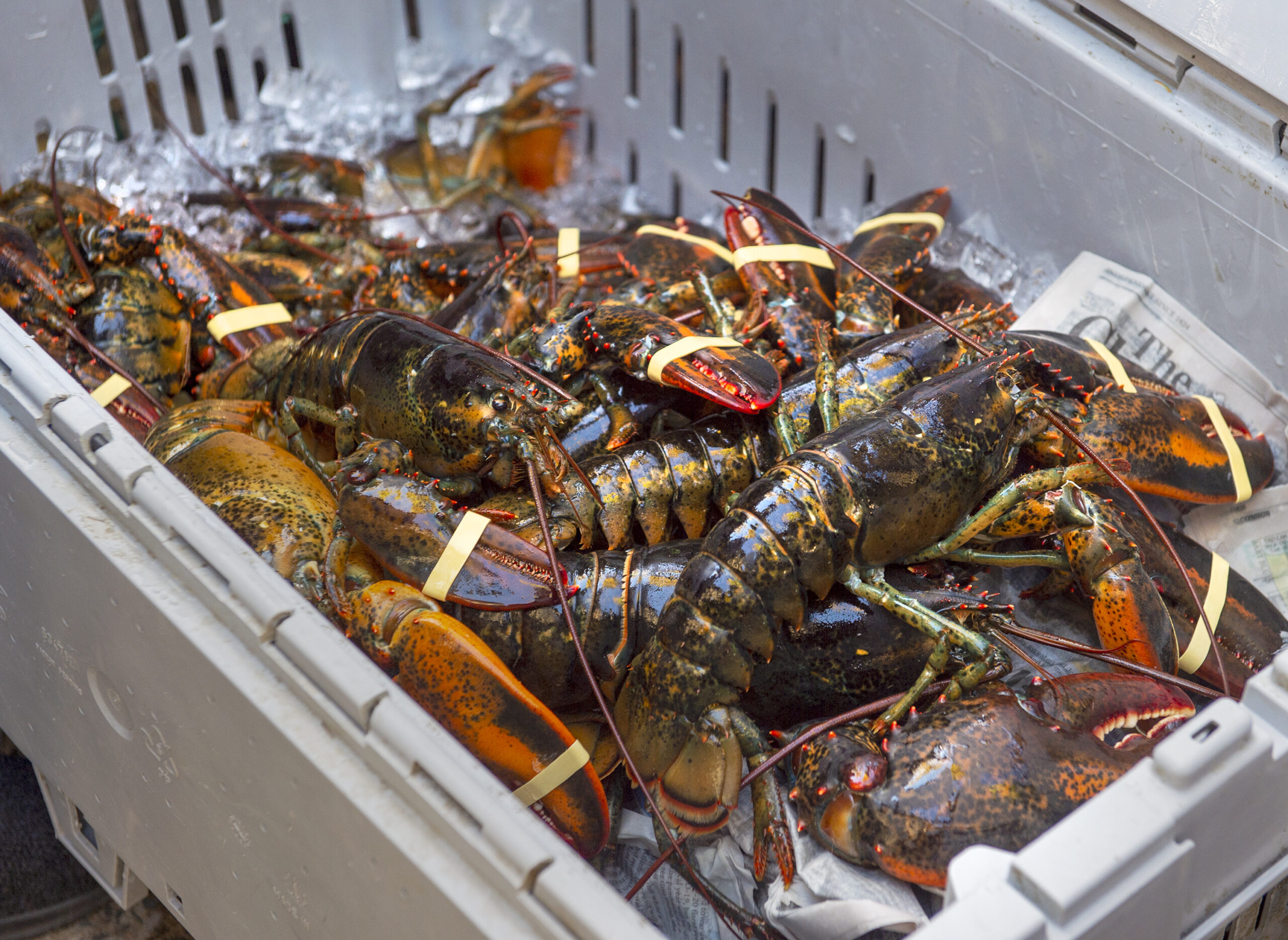
The Canadian government announced on August 26 that it will be canceling retaliatory tariffs on American seafood and fish products, while other tariffs will remain unchanged.
In a statement on social media, the Canadian Finance Ministry mentioned that after receiving feedback from the industry, they have made “selective adjustments to the retaliatory tariff list to prevent broader economic damage.” However, other equivalent retaliatory tariffs will still be maintained.
Previously, starting from August 22, the United States imposed a 50% tariff on $20 billion worth of Canadian exports to the US, including paper, alcohol, cement, and dairy products. In response, Ottawa had planned to impose tariffs ranging from 15% to 50% on $27.6 billion worth of American imports, starting from September 8. This list included steel, aluminum, paper, electrical machinery, furniture, cars, as well as fish products and seafood such as trout, carp, tuna, lobster, oysters, shrimp, and salmon.
Canadian Finance Minister François-Philippe Champagne stated on August 27 that removing fish products and seafood from the tariff list was the “right thing to do in the interest of Canada” and upheld the principles the government consistently follows when implementing related measures.
It was reported earlier that Washington announced plans to impose a 50% tariff on Canadian automobiles starting in 2027 as a response to Ottawa’s proposed retaliatory tariffs. The seafood industry in Canadian Atlantic coastal provinces had concerns that if Ottawa were to impose retaliatory tariffs on seafood, it could lead to further tariffs on their products by Washington.
The Nova Scotia Seafood Alliance had previously mentioned that the organization was “caught off guard” when the government announced the tariffs and expressed “disappointment” at not being consulted before the list was released.
Geoff Irvine, the Executive Director of the Lobster Council of Canada, stated that the tariff decision had taken the industry by surprise but expressed relief at the tariffs being withdrawn. He emphasized that food and protein should be excluded from tariff wars, as everyone needs to eat, and food costs should not be further raised due to inflation.
The Restaurants Canada association, in a social media statement, expressed their “thanks” for Ottawa listening to the industry’s opinions and retracting the related tariffs. Citing their own survey data, the association claimed that 71% of restaurant operators reported a declining profit margin. They mentioned that any measures that can reduce operating costs will assist the Canadian restaurant industry in maintaining operations during these challenging times, while also keeping dining prices affordable.
US Senator Susan Collins, representing the state of Maine, also praised Canada’s decision, stating that it could have caused “significant harm” to the state’s lobster industry. She urged the US to respond to Canada’s goodwill with practical actions, return to the negotiation table, resolve trade disputes through negotiations, and emphasized that “Canada is not China.”