
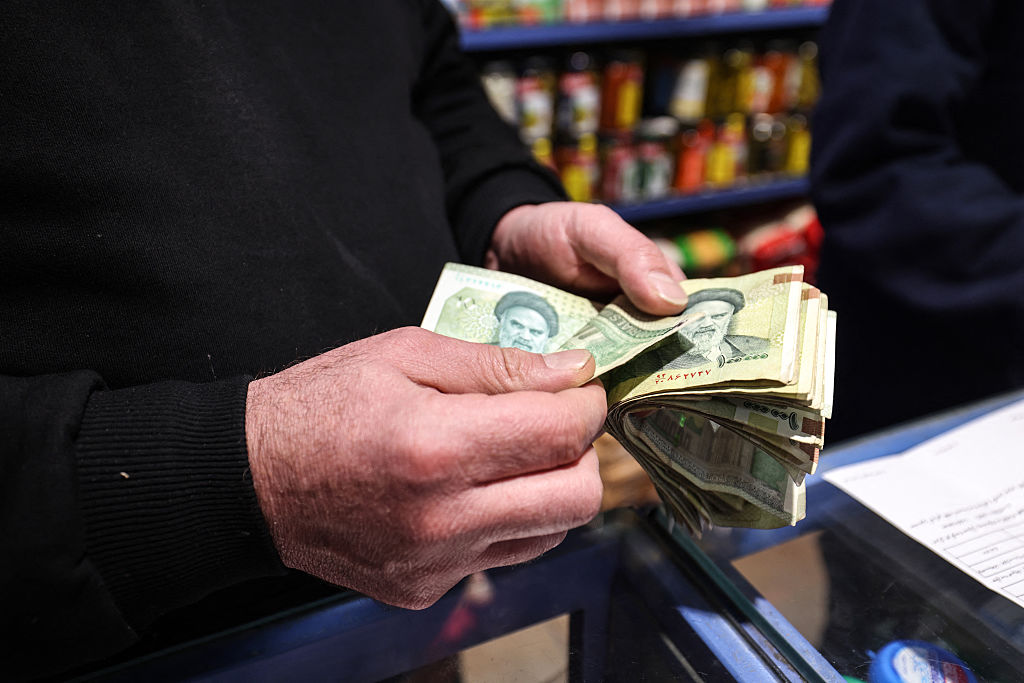
Before the outbreak of the Iran war at the end of February, 2 million Iranian rials could buy 4 kilograms of tomatoes, half a kilogram of chicken, and less than 1 liter of cooking oil.
Now, the same amount of money can only buy half of the goods. The average price of tomatoes has increased by 71%, chicken by 74%, and cooking oil by 177%.
Al Jazeera tracked the prices of food, clothing, and medicine on the streets of Iran and compared them with the prices of similar goods before the war.
The price of essential medicines for diabetes patients to maintain life, such as insulin, has soared by 642%. Prices of necessary medications like painkillers have increased by 93%, and the price of baby formula powder, mainly subsidized by the government, has also risen by 95%.
The exchange rate of the rial hit a new low this week, with 1 US dollar exchanging for 2 million rials. Since the beginning of this year, the rial has depreciated by 46% against the US dollar. Meanwhile, soaring inflation continues to drive up food prices in the country.
The war is not the root cause of Iran’s economic issues, but it has exacerbated these pre-existing problems. The destruction of war, production disruptions, and blockades have brought new pressures, while unemployment and stagnant purchasing power have weakened families’ resilience.
Salama, a 28-year-old fisherwoman living in the southern coastal province of Hormozgan, Iran, shared her struggles amid the economic challenges. Previously, she spent about 500,000 tomans per week on groceries, but now the same items cost at least 5 million tomans, forcing her to reduce or even give up purchasing meat and chicken.
Currency note: The toman is an unofficial term Iranians use for rials, with 1 toman equivalent to 10 rials.
Salama mentioned that not only has her income not increased, but it has decreased, compelling her to strictly control expenses.
For many Iranians living on fixed wages, inflation has posed a new problem where the purchasing power of their salaries diminishes before the next payday arrives.
Afsaneh, a 35-year-old residing in the capital, Tehran, with her husband and a one-year-old child, highlighted that their weekly grocery expenses have increased by 20% to 30%.
She expressed concerns about the rising costs affecting their ability to sustain their livelihood, including the expenses for childcare, basic healthcare, and daily necessities.
The war has disrupted production, while the US blockade of Iranian ports has further complicated imports and exports. Despite government approvals, the minimum wage for this fiscal year (ending in March 2027) is 166 million rials (approximately $82), which, with subsidies and benefits, amounts to less than 220 million rials (approximately $108).
Zamir, a 35-year-old men’s clothing store clerk, explained that compared to last year, sales at his store have decreased by 40%, making it challenging to sustain business operations.
He predicted that many stores in the market might go bankrupt and be forced to close before the end of the winter due to the current economic conditions.
Zamir emphasized the widespread increase in prices, from labor wages to raw material costs, affecting all sectors. He mentioned that many retailers are selling summer inventory below cost, anticipating a new round of price hikes in the fall.
From daily expenses on coffee, cigarettes, water, and transportation, it costs around 2 million tomans (approximately $10) just to go out and return home. Even with frugality, daily expenses would amount to at least 700,000 to 800,000 tomans (approximately $3.5 to $4), excluding regular food and basic necessities, Zamir elaborated on the financial strains faced by Iranian citizens in various aspects of life.