
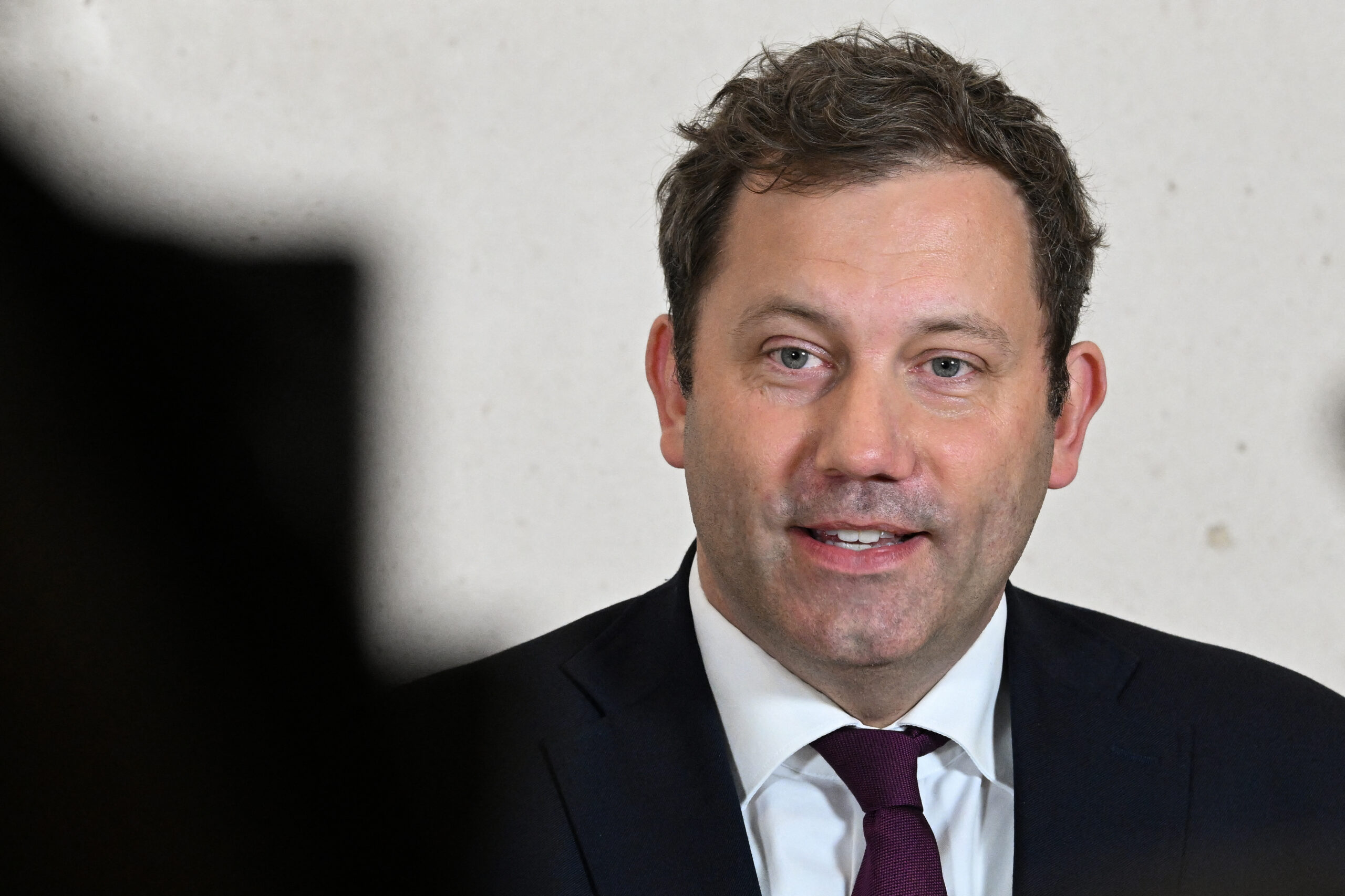
Amid the backdrop of the ongoing expansion of the trade deficit between the European Union and China, German Finance Minister Lars Klingbeil stated on Thursday (August 20) that China is not acting in accordance with global trade rules and stronger measures are needed to address Beijing’s competition.
According to Bloomberg’s report on Thursday, Klingbeil pointed out during a campaign event in eastern Germany that Beijing’s overcapacity, state subsidies, and requirements for foreign companies to establish joint ventures are putting pressure on the German industry. The domestic industries in Germany, such as steel and automotive sectors, particularly need to enhance their resilience to maintain employment and withstand competition from Chinese companies.
Klingbeil mentioned that Germany has always supported free trade and maintained market openness, but when Beijing changes the global trade landscape to move it in a direction favorable to itself, Germany can no longer continue to “stand idly by.”
He stated, “They are not acting in accordance with the rules.” On these issues, Germany “must take more action.”
Klingbeil also serves as the Vice Chancellor of Germany and co-leader of the Social Democratic Party (SPD). His statement indicates a noticeable shift in Germany’s economic policy towards China.
For a long time, Germany has heavily relied on foreign trade and maintained close economic and trade relations with China. However, as Chinese companies gradually enter high value-added industrial sectors, the German steel and automotive industries are starting to face more direct competition.
Klingbeil expressed his support for a tougher stance by Germany towards Beijing, and he is pleased that German Chancellor Friedrich Merz now also agrees with this direction.
Klingbeil is currently participating in campaign activities in Saxony-Anhalt. Elections will be held in the state on September 6, and far-right forces are expected to make gains.
In February of this year, Klingbeil issued a similar warning. At that time, he pointed out that Germany cannot continue to “blindly maintain market openness” while other countries have gained a competitive advantage, citing Beijing’s dumping of cheaper steel as an example.
Meanwhile, European Union officials also believe that the current daily trade deficit with China exceeding 1 billion euros (about 1.2 billion US dollars) is becoming unsustainable.
In June, EU leaders requested the European Commission to propose new trade defense measures to address the ongoing expansion of the trade deficit between the EU and China.
Chancellor Merz’s government has recently begun to take a more assertive stance towards China.
Reports have revealed that Berlin is assessing potential weaknesses in the Chinese economic and trade system to prepare for possible future trade conflicts between the EU and China.
As trade tensions between the EU and China escalate, how Germany balances maintaining foreign trade and protecting its domestic industries is becoming a crucial policy issue for the Berlin government.