
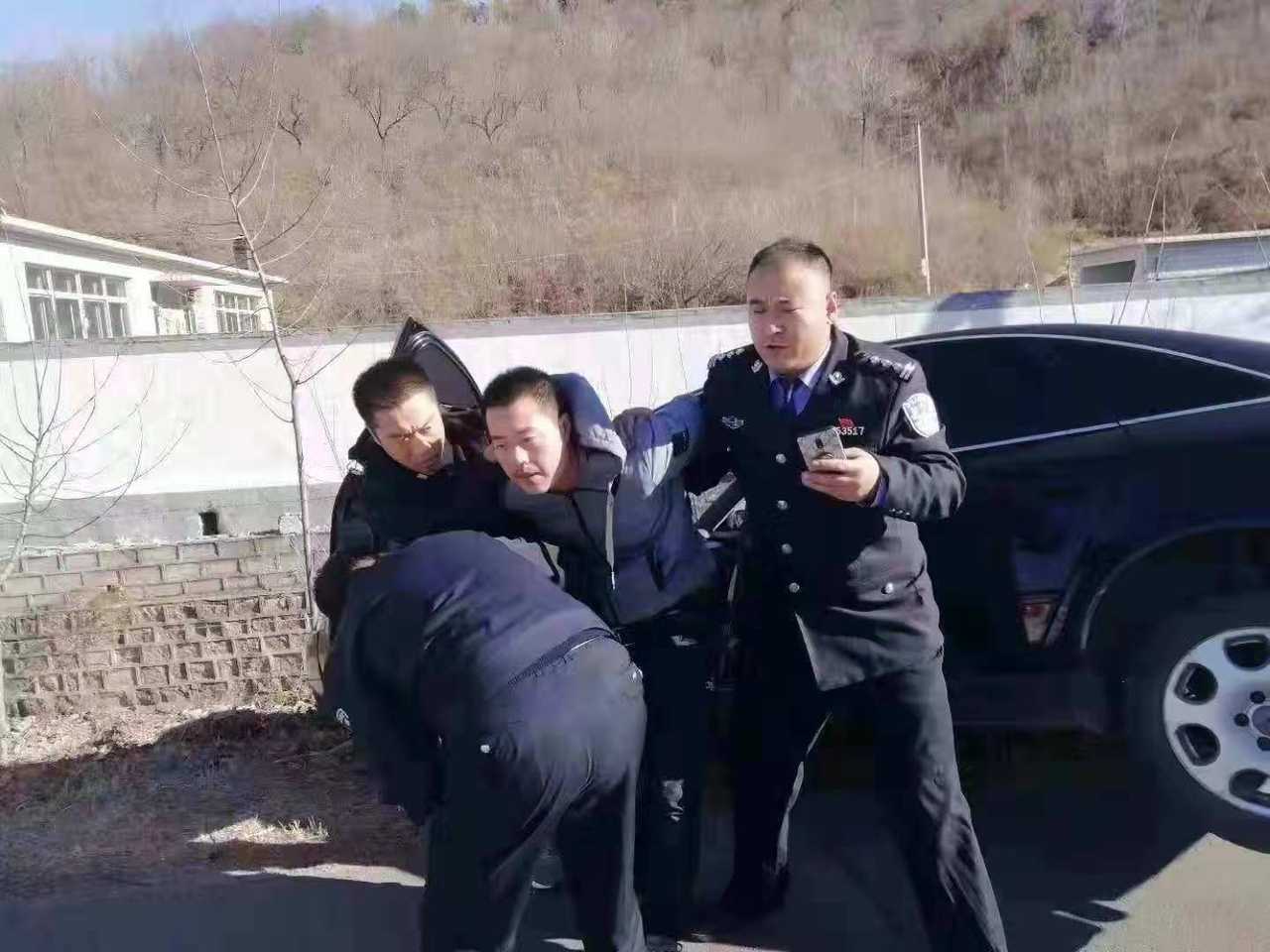
In 2018, a tragic incident in Liaoning resulted in the death of 6 children after being hit by a car. Years later, a transcript, allegedly from the interrogation of the suspect at that time, surfaced online, revealing the motive behind the tragedy. The suspect disclosed the motive as seeking revenge for the loss of his child during a police inspection that led to the child’s accidental death. Failing to seek justice for his son, the suspect wanted the police to experience the pain of losing a child. However, the official report at the time attributed the motive to marital conflicts and despair. Currently, the authenticity of this interrogation transcript cannot be independently verified.
On November 22, 2018, a car rammed into a group of people near the entrance of the Second Elementary School in Jianchang County, Huludao City, Liaoning Province. The driver, Han Jihua, accelerated towards the crowd, causing the deaths of 6 people, including all children, and injuring 20 others. Han fled the scene but was apprehended by the police that same day.
The following day, official reports from the Jianchang County Commission for Discipline Inspection, cited by state media such as People’s Daily, identified the suspect of the case as Han Jihua, a 29-year-old jobless man from Jianchang County. The official report portrayed Han as introverted, paranoid, and citing recent marital conflicts and despair as his motivation for the crime. Subsequently, the Intermediate People’s Court of Huludao City concluded in its judgment that Han Jihua had deliberately rammed into people due to his narrow-mindedness resulting from interpersonal relationships, financial pressure, and marital conflicts. Han Jihua was executed on January 29, 2021.
On August 18, a document labeled “Inquiry/Interrogation Transcript (2nd time)” circulated on overseas social media platforms, reigniting interest in the car ramming incident from several years ago.
The transcript revealed that the inquiry took place on November 24, 2018, at the Jianchang County Public Security Bureau’s interrogation room with Han Jihua as the one questioned. It vividly illustrated Han Jihua’s motive behind the car ramming incident, mentioning the child’s cause of death, thwarted efforts for justice, and experiences of torture, which significantly differed from the official narrative.
In the leaked transcript, Han Jihua recounted the events that drove him to seek vengeance against society. He narrated an incident where he was riding a motorcycle with his one-year-old child when the police stopped him for inspection. During the altercation, one officer suddenly revved the throttle, causing the motorcycle to lurch forward, resulting in a fall where his child’s head was pinned under the vehicle. Despite his pleas for help, the officers left the scene, and his child later succumbed to the injuries in the hospital.
After his child’s death, Han Jihua attempted to seek resolution through complaints, reviewing surveillance footage, and legal avenues. However, his requests to access surveillance footage were denied, with officials claiming the system was malfunctioning or the footage was lost.
Additionally, Han’s recount included being detained and subjected to severe interrogation tactics at the police station following his protest for justice at the traffic police department. He mentioned instances of physical assault, electric shocks, and being suspended, indicating harsh treatment during his incarceration. Han emphasized his determination to seek justice for his child, refusing to abandon his pursuit despite warnings to cease disrupting social order.
Furthermore, Han’s narrative exposed the systemic flaws in seeking accountability and justice within the authorities. His experiences underscored the challenges faced by individuals seeking redress against perceived injustices and the deficiencies in the legal system’s responsiveness.
The circulation of this transcript online has sparked discussions among netizens, prompting reflections on the implications of justice, accountability, and the role of the legal system in society. The case serves as a poignant reminder of the complexities and repercussions of individual grievances against institutional shortcomings, raising questions about the fairness and transparency of the judicial process.