
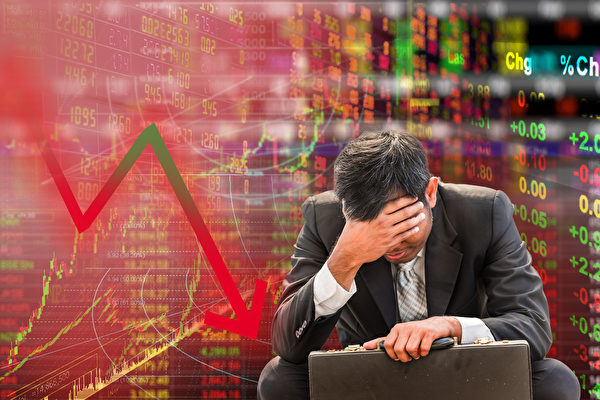
The escalating tensions between the US and Iran have caused global market turmoil, with the stock market experiencing selling pressure at times. Many investors are now seeking hedge options to reduce asset volatility in the face of geopolitical uncertainties. Experts advise investors not to panic and withdraw funds irrationally in response to short-term market fluctuations caused by geopolitical conflicts. They recommend carefully evaluating investment strategies, avoiding over-concentration of funds, and seeking assets with better resistance against market swings.
Experts also point out that there are still some assets that could serve as “safe havens” for capital during these uncertain times. These include oil tanker shipping ETFs, the seven major tech stocks, US Treasuries, gold, and fixed index annuities. Investors are encouraged to adjust their investment strategies according to their risk tolerance to mitigate the impacts of ongoing conflicts and protect their assets.
Vince Stanzione, the author of “The Millionaire Dropout,” noted that the uncertainty surrounding smooth shipping routes has led to increased transportation costs, longer journeys, and extended stays for vessels at sea, all of which benefit shipping companies. He recommends investors to pay attention to the “SonicShares Global Shipping ETF” (BOAT), which covers various shipping companies, not limited to oil tanker enterprises, with the largest holding being Frontline company (FRO) engaged in crude and petroleum maritime transport.
This ETF has recorded a gain of over 26% this year, with a current dividend yield exceeding 6%. Investment advisory firm founder Phil DeAngelo suggests that investors explore opportunities within the ‘Magnificent 7’ tech stocks in the US market, as these companies have significant market capitalization and their stock performance has a significant impact on the overall market. The seven major tech stocks include Apple, Microsoft, Alphabet, Amazon, Meta Platforms, Tesla, and Nvidia.
DeAngelo recommends investing in these tech giants, believing that they could potentially recover faster than expected. Despite concerns related to the US-Iran conflict and market worries about AI, the financial performance of these companies remains robust, with double-digit revenue growth rates sustained.
During the early stages of the Iran conflict, inflation concerns pushed up US Treasury yields. Conservative investors can capitalize on the current higher yield levels by investing in US Treasury bonds. Cody Schuiteboer, CEO of a financial management advisory firm, notes that during times of crisis, investors typically shift funds towards US dollar-related assets for hedging purposes, benefiting US Treasuries. He explains that during geopolitical crises, global funds often flow towards USD assets for refuge, boosting demand for US Treasuries, which usually see price increases of around 4% to 8%.
While an increase in interest rates historically makes US Treasury bonds with interest income more appealing than non-interest-bearing assets like gold, the attractiveness of gold declines. However, in times of increased market risk or uncertainty, gold remains a viable hedge asset. For centuries, gold has served as a crisis hedge asset, helping investors navigate unpredictable market changes, including inflation risks.
Experts also highlight that Fixed Index Annuities (FIA) are suitable for retirees or soon-to-be retirees, allowing them to participate in market gains during stock market upswings while mitigating losses from market downturns. Insurance brokerage firm partner Jarad Stolz explains that the insurance companies offering annuity products reference market index performance to calculate returns. Even though investors don’t directly invest in stocks, they still have the opportunity to benefit from some of the stock market’s upside potential while reducing the risk of losing capital during market declines.
This article was referenced from the US financial website GOBankingRates.
The content of this article is for general information purposes only and is not intended as recommendations or solicitations for any specific actions. The Epoch Times does not provide advice on investment, tax, legal, financial planning, real estate planning, or other personal finance matters. The Epoch Times does not guarantee the accuracy or timeliness of the content.