
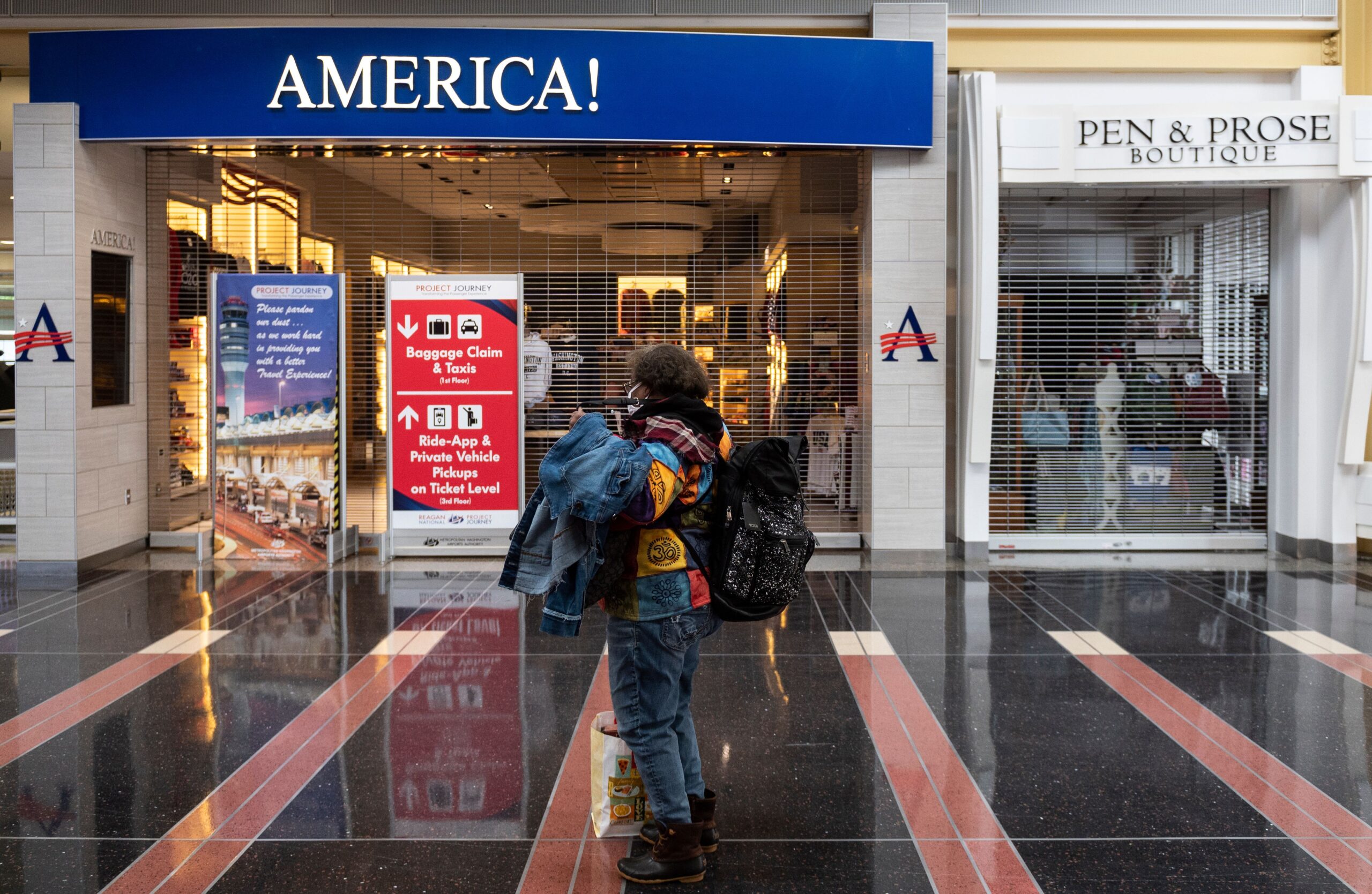
Airports are one of the easiest places to lose your rationality while traveling. The long wait times, last-minute needs, and the psychological pressure of “if I don’t buy it now, I’ll miss out” often lead passengers to unknowingly spend much more than usual.
From a bottle of water, a pack of snacks, to a charging cable, and travel essentials, many seemingly convenient airport products are actually overpriced “emergency purchases.” Carin Ryan, a flight attendant with 12 years of experience, has compiled a list of 12 types of items that passengers are most likely to overspend on at the airport, and provided simple alternatives to help travelers prepare before departure, saving money to spend on more worthwhile things.
1. Bottled water:
Prices for bottled water at airports are extremely high. Most airports now have water stations where passengers can refill their own lightweight insulated bottles or water flasks for free after passing security.
2. Cheap travel blankets:
Blankets purchased last-minute at the airport are usually of poor quality and unreasonably priced. It is recommended to bring a compact and lightweight travel sheet or sleeping bag liner for warmth and hygiene.
3. Full-priced physical books:
Airport bookstores have limited selections and rarely offer discounts. If you have reading needs, carrying an e-reader can save luggage space and avoid purchasing books at inflated prices.
4. Large-sized perfumes from duty-free shops:
Buying a large bottle of perfume impulsively at duty-free shops due to forgetting or confiscation by security results in high costs. It’s advisable to prepare travel-sized containers that meet security regulations (not exceeding 100ml) in advance.
5. Emergency toiletries:
Travel-sized skincare products sold at airports have limited choices and high prices. Pre-packing your usual moisturizer or cleanser into containers that meet TSA regulations can prevent the hassle of last-minute purchases.
6. Bottled sports drinks:
The dry atmosphere in the cabin requires hydration, but the prices of sports drinks at airports are usually high. Bringing electrolyte powder packets and mixing them with water during waiting times is a more cost-effective approach.
7. Packaged snacks:
It’s easy to purchase snacks due to hunger or cravings during wait times, and this is often where airport markups are most severe. Bringing your own snacks in a container that you typically enjoy can significantly control this expense.
8. Single-specification charging cables:
Buying charging cables at airport convenience stores is usually priced at more than twice the market rate. Ensure to pack a multi-purpose charging cable before departure to avoid being forced to buy one due to loss or damage.
9. Temporary replacement earbud-style headphones:
Wireless earbuds are easy to lose during travels, but repurchasing them at the airport is not cost-effective. For business trips or vacations, it’s recommended to bring over-ear headphones that are less likely to be lost while still allowing you to hear essential announcements.
10. Traditional U-shaped neck pillows:
Bulky, lacking support, and overpriced. If you have a need for sleep, it’s best to prepare a dedicated neck pillow with substantial support that can be folded and stored before departure, instead of buying an emergency one at the airport.
11. Last-minute shopping bags:
Many travelers end up buying impractical and expensive souvenir bags at the airport because their luggage is overweight on the return journey. Carrying a lightweight, strong, foldable backpack can solve the need for extra storage space.
12. Single-dose emergency medications:
It’s inevitable to experience stomach discomfort, headaches, or allergies during travels, and the pricing of single-dose medications at airport pharmacies is extremely unreasonable. Bringing basic, over-the-counter medication packs is low-cost and can play a crucial role in emergency situations.