
The National Development Council of the Republic of China (Taiwan) announced on the 28th that Taiwan is facing issues such as a declining birth rate and aging population based on its biennial population estimation. In response to this demographic challenge, the government has launched a new national development strategy called the “Family Support Plan” at the strategic level to address Taiwan’s population issues effectively. This plan includes sections on the silver generation, lifelong talent development, and global talent attraction to enhance the country’s resilience to demographic changes and establish a foundation for sustainable development.
According to the latest population estimation from 2026 to 2075 released by the National Development Council on the 28th, the trend of declining birth rates and aging population continues, indicating that the country will soon bid farewell to a period of abundant workforce. It is projected that the total population will decrease by 48% from 2026, reaching only 12.15 million in 2075. Additionally, the number of newborns this year is feared to drop below the threshold of 100,000. The government emphasizes the need for policy efforts to address these demographic challenges.
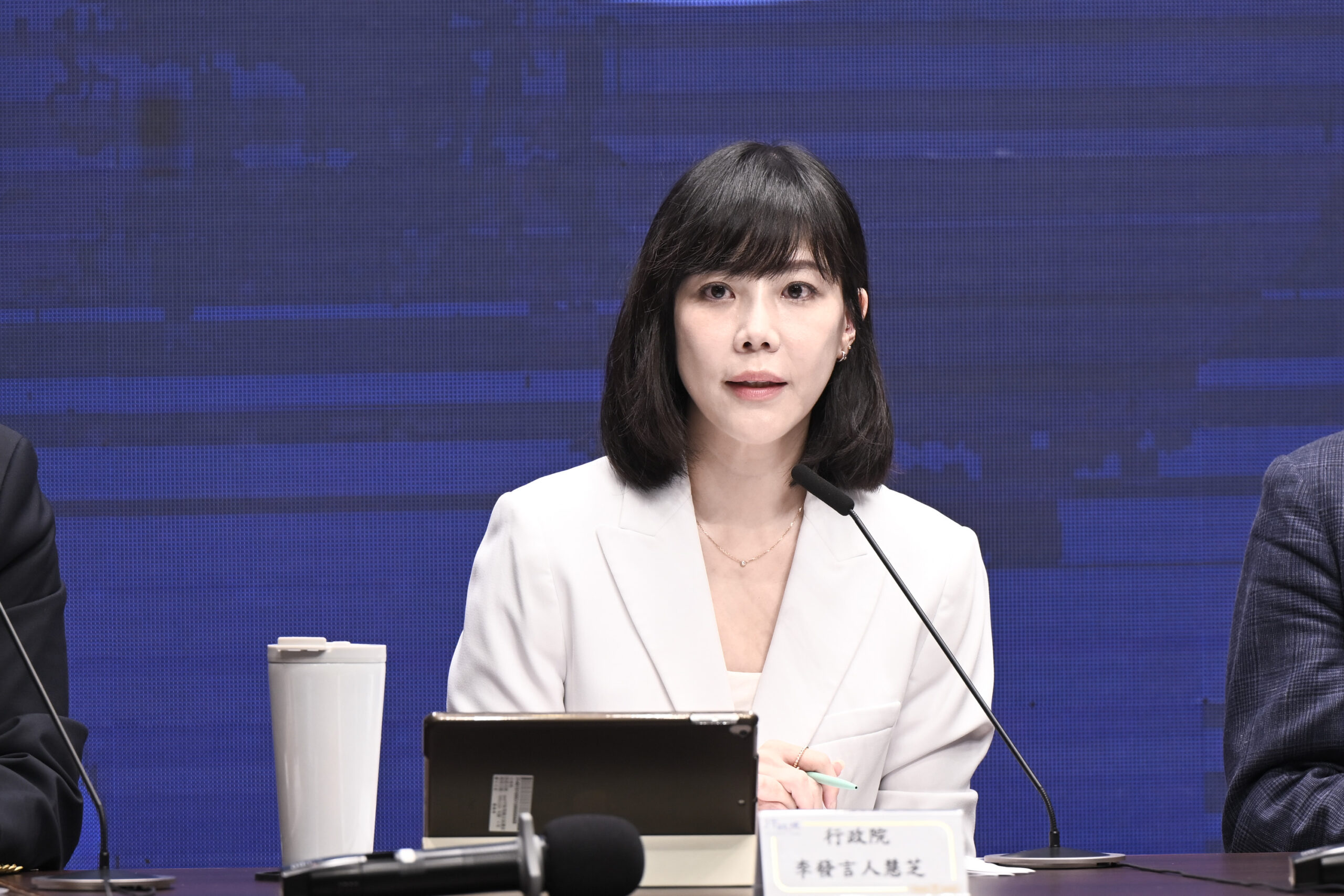
In the face of demographic changes such as declining birth rates and aging population, the spokesperson for the Executive Yuan, Li Huizhi, explained that the government’s responsibility goes beyond increasing birth subsidies. It also includes reducing the costs and risks that families bear in aspects such as childbearing, childcare, education, employment, and housing.
Li Huizhi mentioned that President Lai Ching-te convened a national security high-level meeting in May, during which the Executive Yuan reported and initiated the “Taiwan Population Strategy – Family Support Plan.” This initiative elevates population and family policies to the national development strategy level, systematically constructing a policy framework that supports marriage, childbearing, and children’s growth based on national sustainability, generational development, and family needs.
The Family Support Plan consists of four main strategies: increasing subsidies, reducing burdens, offering flexibility, and enhancing care. It proposes 18 measures across five areas, including ensuring peace of mind during childbearing, strengthening childcare, enhancing education, fostering a friendly workplace, and alleviating housing pressures.
The government is shifting its policy approach from primarily providing single subsidies to a “public support model for childcare,” where the government, families, and society share the responsibility. For instance, the establishment of growth allowances for children aged 0 to 18 aims to secure long-term support for child development. Budget allocation for this policy has been included in next year’s central government budget, allowing eligible families to receive the benefits starting from the upcoming year.
Moreover, Li Huizhi highlighted the “Development Accounts for Vulnerable Children,” where the government assists disadvantaged families with a 1:1 matching mechanism in saving, aiming to reduce the financial burden of child-rearing for families. By institutionalizing long-term resource allocation, the government seeks to make investments in the next generation more widespread and equitable.
Addressing support for young couples starting families and raising children, the government is promoting a “6+3 Parental Leave” scheme. This program allows each parent to take a paid leave of 6 months initially, with the option to extend for an additional 3 months. Additionally, plans to extend marriage leave to 14 days, increase maternity leave from 8 weeks to 12 weeks, and extend paternity examinations and paternity leave from 7 days to 14 days are being considered to provide families with more comprehensive time and institutional support during critical stages of marriage, child-rearing, and childcare. Related legislative amendments have been submitted to the Legislative Yuan for review.
To ensure the continuity of population strategies, the Executive Yuan has established a task force for implementing the new population strategy, with Premier Cho Rong-tai serving as the convener. This task force will regularly monitor the progress of various measures and regulations.
Li Huizhi emphasized that population policies are fundamental to the long-term development of the country, with the Family Support Plan marking an important starting point for the new population strategy. In the future, the government will continue to develop sections on the silver generation, lifelong talent development, and global talent attraction, covering all age groups and stages of life comprehensively. Through long-term investments in population and talent, Taiwan aims to enhance its resilience in response to demographic changes and lay a foundation for sustainable national development.