
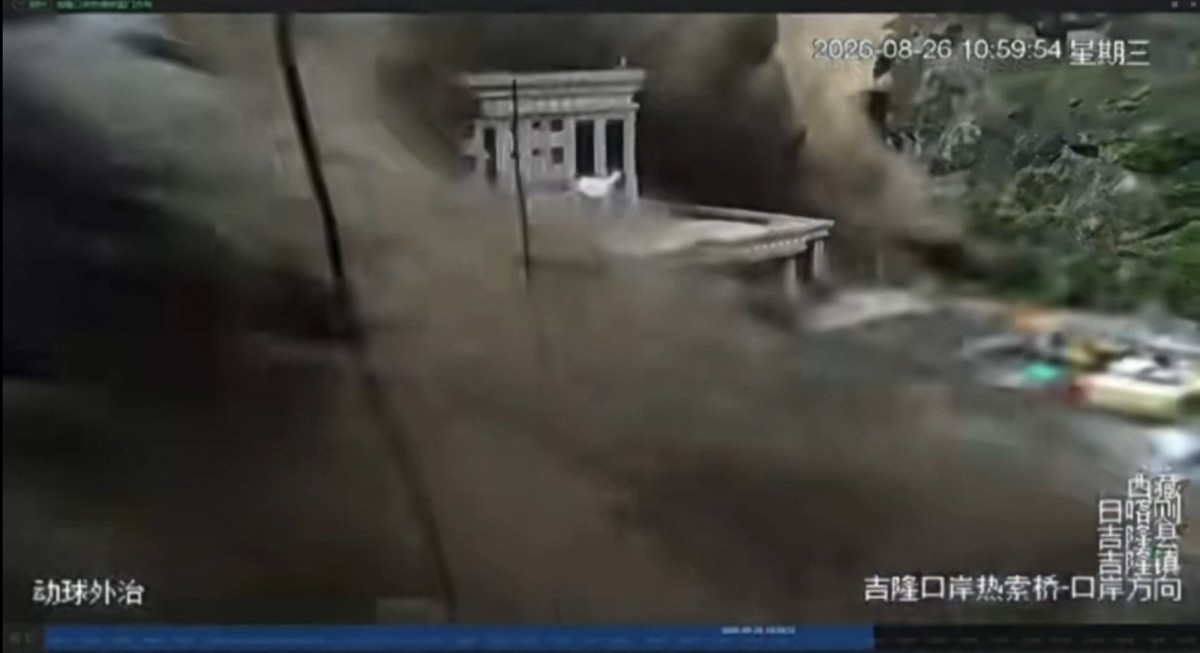
Two days ago, devastating floods hit the border between Nepal and Tibet, causing extensive damage and shocking scenes. As of now, nearly 2,500 people are missing and over 580 people have lost their lives on both sides of the border. Due to strict control of information by the Chinese Communist Party, families in China have little knowledge about the situation in the disaster area. Many have turned to social media hoping to obtain information about their missing loved ones.
“Families are very worried,” a woman from Sichuan province told CNN on Wednesday, August 26th, after losing contact with her brother who was working in Tibet.
The woman posted on the Chinese social media platform Red Book, expressing that her brother was engaged in railway construction near Gyirong Port in Tibet before losing contact. The port was engulfed by mudslides on Wednesday and remains a core area for rescue operations.
The woman, who chose not to reveal her identity, reported her brother missing to the local police but has not received any information yet.
Another user on Red Book pleaded for help on Thursday, August 27th: “Residents of Gyirong Port, please help. My cousin is stationed there as a border guard and has gone missing. What should we do? He has two children at home.”
A user from Yunnan province also sought help on the platform, saying, “How is the situation at Gyirong Port? My sister works there, and I have been unable to reach her…” The user later posted that they had headed to nearby areas of Tibet.
Following the flood disaster, the Chinese Communist Party’s strict control of information has drawn attention from foreign media. CNN noted a stark contrast with Nepal, which has been more frequent in updating information about the disaster. In China, disaster information is released slowly and mainly through tightly controlled official media by the CCP, while the Nepalese government and other channels have been more active in providing updates on the situation.
Shortly after the disaster, China’s social media censorship mechanism began operation. Several videos filmed by locals at the scene of the disaster were taken down from Chinese social media platforms, including a widely circulated clip showing mudslides engulfing a border crossing in Gyirong County, Tibet. Human rights groups pointed out that this made it more difficult for families of victims to know about their safety and whereabouts. CCP’s official reports on the disaster primarily focus on promoting the government’s relief efforts.
On the first day of the flood outbreak, scenes of Gyirong Port being hit by the floods were widely broadcasted by foreign media, showing a heartbreaking sight where the port’s buildings, vehicles, and fleeing people disappeared instantly from view.
According to China Central Television (CCTV) on Wednesday evening, three people had died. However, some readers of Epoch Times commented that anyone watching the videos would realize the death toll was unlikely to be just three. CCTV released updated data on Friday, stating that as of 3 p.m. local time, five people had died and 558 people were missing.
In comparison, Nepal has been providing frequent updates on the disaster scene through the police and disaster relief organizations. The confirmed number of fatalities has increased from dozens to hundreds, reaching the latest figure of 579. Additionally, Nepal reported 1,924 people missing, including 517 foreign citizens.