
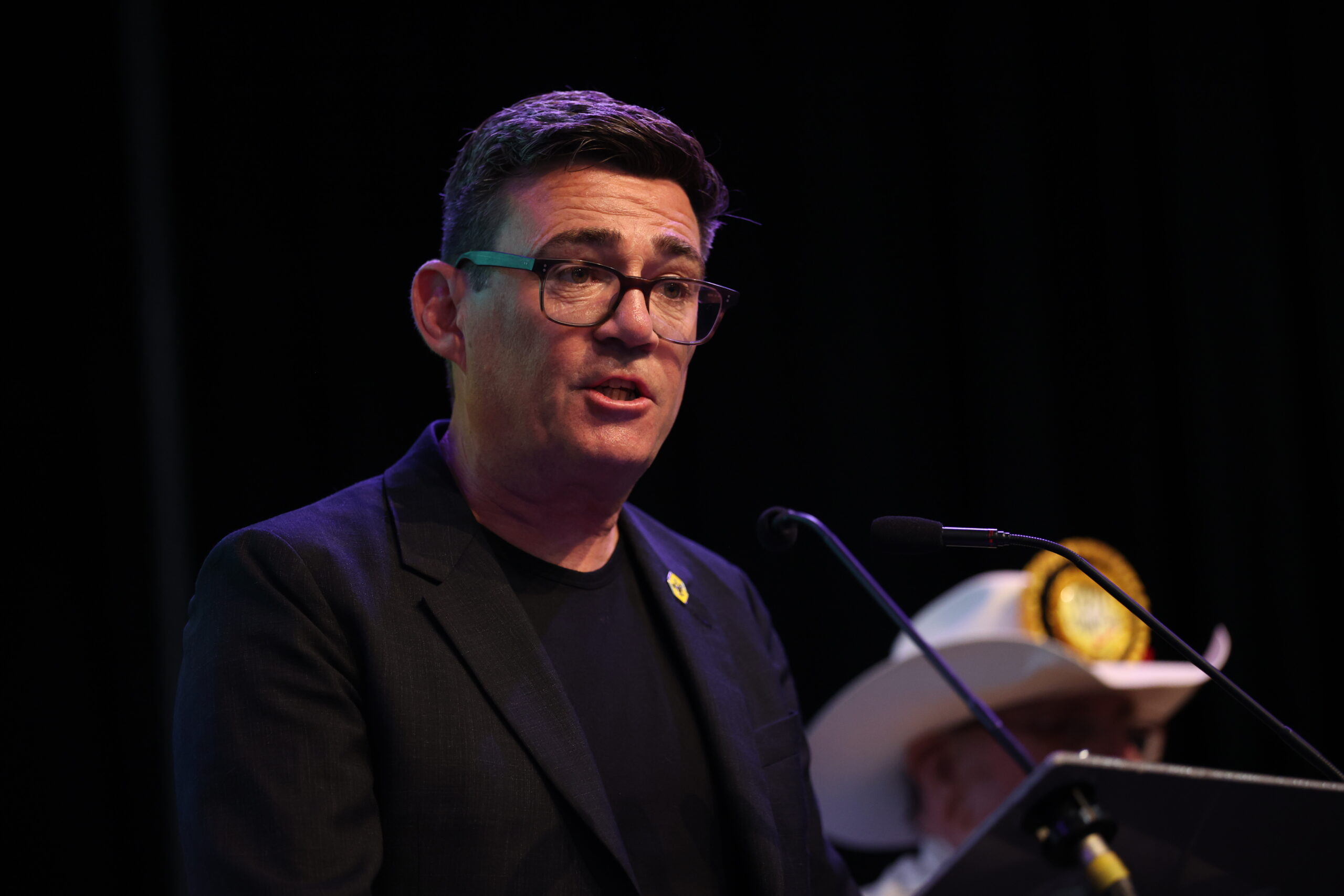
With the official confirmation of former Greater Manchester Mayor Andy Burnham as the new leader of the Labour Party, the UK is set to welcome its seventh Prime Minister in a decade on Monday, July 20th.
Following the resignation of Prime Minister Keir Starmer, who will deliver his farewell speech outside 10 Downing Street on Monday morning before formally submitting his resignation to King Charles III at Buckingham Palace. Afterwards, the 56-year-old Burnham will meet the King, who will ask him to form a new government, making him the 59th Prime Minister of the United Kingdom.
Subsequently, Burnham will travel from Buckingham Palace to 10 Downing Street, where he will address the nation as the new Prime Minister, outlining his governance vision, core commitments, and strategies to tackle the challenges facing the country.
He has previously stated his intention to “rebuild Britain,” refocusing the country on issues such as the cost of living and underperforming public services that matter to people. His team has hinted that he will conclude his speech on an optimistic note, emphasizing unity, hope, and a positive outlook for the future.
During his tenure as Mayor of Manchester, Burnham implemented policies to promote entrepreneurship, build new housing, and successfully revitalize the local economy while creating an excellent public transportation network.
These achievements were critical factors in Burnham winning the Labour Party leadership. Another key factor was Labour MPs viewing Burnham as a crucial figure who can effectively counter the Reform UK party led by Nigel Farage.
Over the past year and a half since mid-2025, the Labour Party’s approval ratings have significantly declined due to economic stagnation and domestic crises triggered by geopolitics. In recent opinion polls, Labour has consistently trailed behind Reform UK. In the recent local council elections in the UK, Reform UK gained over 2,000 seats, securing an absolute majority in about 24 local councils, becoming a significant force in local politics.
Anand Menon, Director of the think tank UK in a Changing Europe, cautioned on Peninsula TV that Burnham may face challenges if he tries to replicate his Manchester policies nationwide and will need to strike a balance between the two.
In a public letter released on Sunday evening, Conservative Party leader Kemi Badenoch wished Burnham success as Prime Minister but cautioned about the lack of clear plans upon taking office. The letter pledged that the Conservative Party would urge the new Prime Minister to avoid introducing any new tax measures, as Burnham had hinted at potential tax increases.
Burnham is now tasked with addressing economic weakness and tight fiscal constraints. The UK government’s spending on debt interest alone for the 2025-2026 fiscal year is around £110 billion, accounting for approximately 8% of all public spending. This year’s borrowing has exceeded expectations, projecting tax revenues to reach the highest level since World War II by the end of the 2020s.
Menon pointed out that Burnham’s fiscal maneuvering room is relatively limited, necessitating new spending to be funded through tax increases rather than borrowing, though there might be room for earmarked spending tied to specific goals like defense bonds.
Regarding public sentiment, Menon doubted whether solely relying on fiscal measures could reverse public opinion. He highlighted the stagnation of living standards since 2008 and the gradual deterioration of public services, emphasizing that people want to see tangible improvements in their lives, not just hear promises.
External observers are closely monitoring Burnham’s policies as Prime Minister, particularly in areas such as taxation, public expenditure, oil and gas, and the control of utility companies that he aims to strengthen.
Burnham is expected to prioritize new oil and gas exploration projects in the North Sea, bring water and energy companies under public control, and introduce new social housing construction plans, though specific details of these plans remain unclear.
His ally and Labour Party Deputy Leader Lucy Powell hinted on Sunday that heavily indebted Thames Water could potentially be taken over by the government, focusing on reallocating government resources to address the cost-of-living crisis and reshape the country’s economy.
Additionally, Burnham will need to announce his new cabinet team. Ed Miliband or Shabana Mahmood may serve as Chancellor of the Exchequer, with Burnham urging the party to ignore speculation on appointments until he finalizes his list.
Sunder Katwala, Director of the think tank British Future, expressed to Peninsula TV, “These developments have progressed faster than he anticipated. It’s only been four weeks since he won the by-election. I don’t think he has all the answers yet; he hasn’t had enough time to think.”