
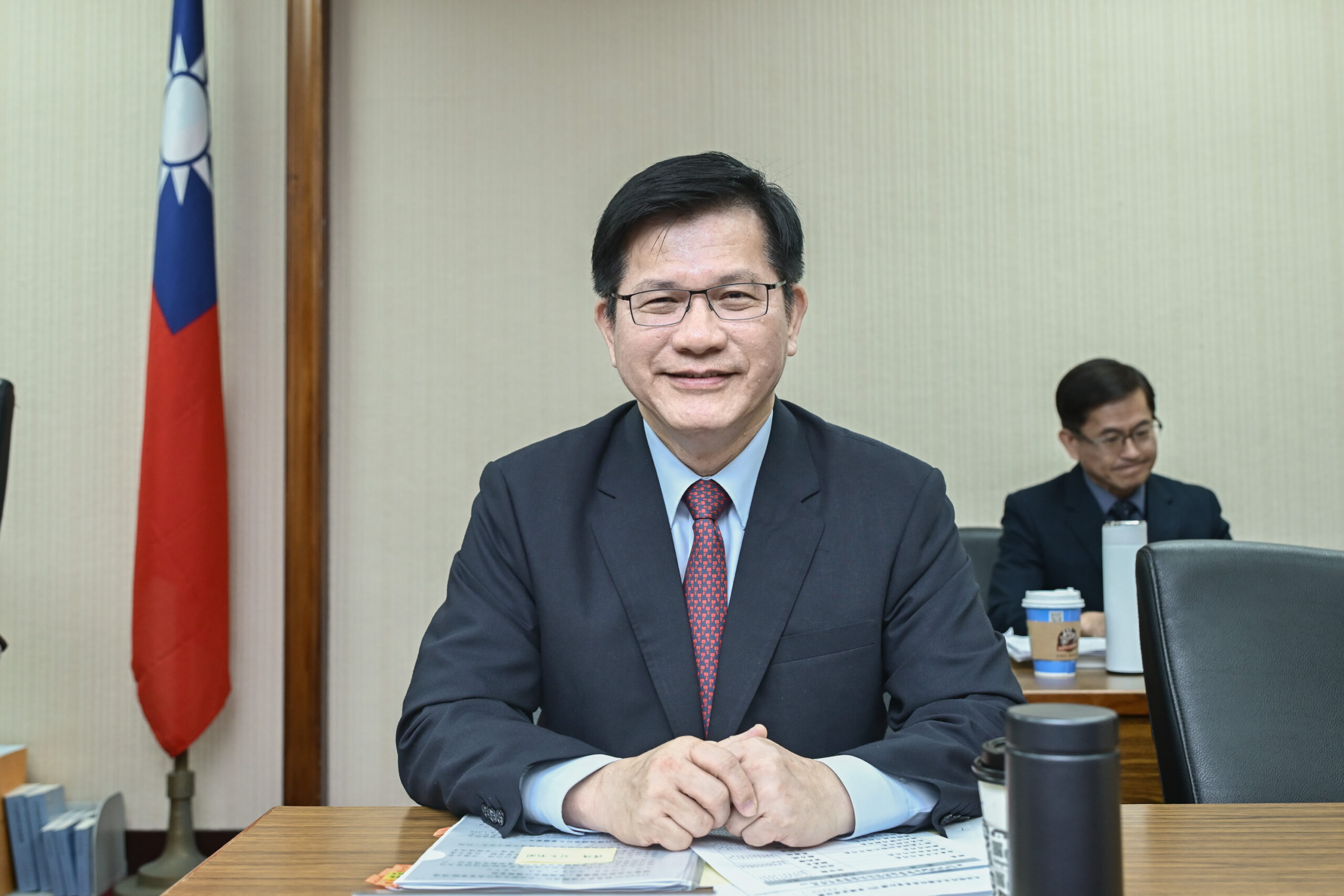
On July 22, 2026, Chinese activist Jian Li was attacked in New York, United States. In response to this incident, Taiwan’s Minister of Foreign Affairs, Ja-long Lin, stated today (22nd) that the Ministry of Foreign Affairs has established Standard Operating Procedures (SOP) for cross-border suppression by the Chinese Communist Party. If Taiwanese people encounter threatening situations abroad, they can contact overseas missions. The Ministry of Foreign Affairs also continues to communicate and coordinate with various countries to respond collectively.
Media reports revealed that on the 15th of July, Jian Li, a Chinese activist, was stalked and brutally attacked by three Asian men in Flushing, New York. He sustained severe head injuries, fell into a temporary coma for over two days, and is currently under observation and treatment in the Intensive Care Unit (ICU) of a local hospital in New York. Just a week before the incident, he had led protests against the Chinese government’s attack on protesters outside the Chinese consulate in Los Angeles.
Taiwan’s Legislative Yuan Foreign and National Defense Committee invited Foreign Minister Lin Ja-long to report on the “International Propaganda Effectiveness in Recent Years on Taiwan’s Sovereignty and Legal Status in the South China Sea and Specific Strategies to Counter the Expansion of Sovereignty Propaganda by Neighboring Countries.” Prior to the meeting, Lin Ja-long participated in a media interview.
When asked by the media about the assault on overseas dissidents in the United States by Chinese individuals, Minister Lin emphasized that the Chinese Communist Party’s cross-border suppression extends to people residing in democratic countries. Regarding the safety of Taiwanese citizens, the Ministry of Foreign Affairs has established SOP, allowing citizens to contact overseas missions in case of any threatening situation.
Minister Lin pointed out that China’s cross-border suppression extends domestic laws to other countries, including the establishment of so-called overseas police stations. Several cases have already been exposed, with Chinese individuals being expelled or convicted of illegal behavior. The Ministry of Foreign Affairs will continue to communicate and coordinate with democratic countries to address the issue of China’s cross-border suppression.
Moreover, after meeting with Xi Jinping in China on the 18th, Thai Prime Minister Anutin Charnvirakul and Chinese authorities released a joint statement affirming that Taiwan is an inseparable part of China’s territory and expressing strong support for China’s peaceful reunification, rejecting any form of “Taiwan independence,” and endorsing China’s “One Country, Two Systems” policy. Minister Lin responded to the media’s inquiries on this matter.
Lin emphasized that the Ministry of Foreign Affairs protests against China’s attempts to diminish Taiwan’s status through any international interactions. Regarding countries aligning with China, Lin expressed regret, especially given the close economic, trade, and people-to-people exchanges between Taiwan and Thailand. As for the possibility of revoking Thailand’s visa-free treatment, Lin stated that the policy is based on mutual reciprocity.
In response to Papua New Guinea’s recent unilateral closure of Taiwan’s local economic and trade office, Minister Lin stated that discussions are ongoing with the Papua New Guinea government and like-minded countries. He expressed gratitude to allies like the United States for speaking up for Taiwan and reiterated Taiwan’s commitment to reviewing the economic and trade relationships with Papua New Guinea, including natural gas procurement. Lin also called on Papua New Guinea to acknowledge Taiwan’s longstanding communication and cooperation efforts and to maintain the operation of Taiwan’s missions there.