
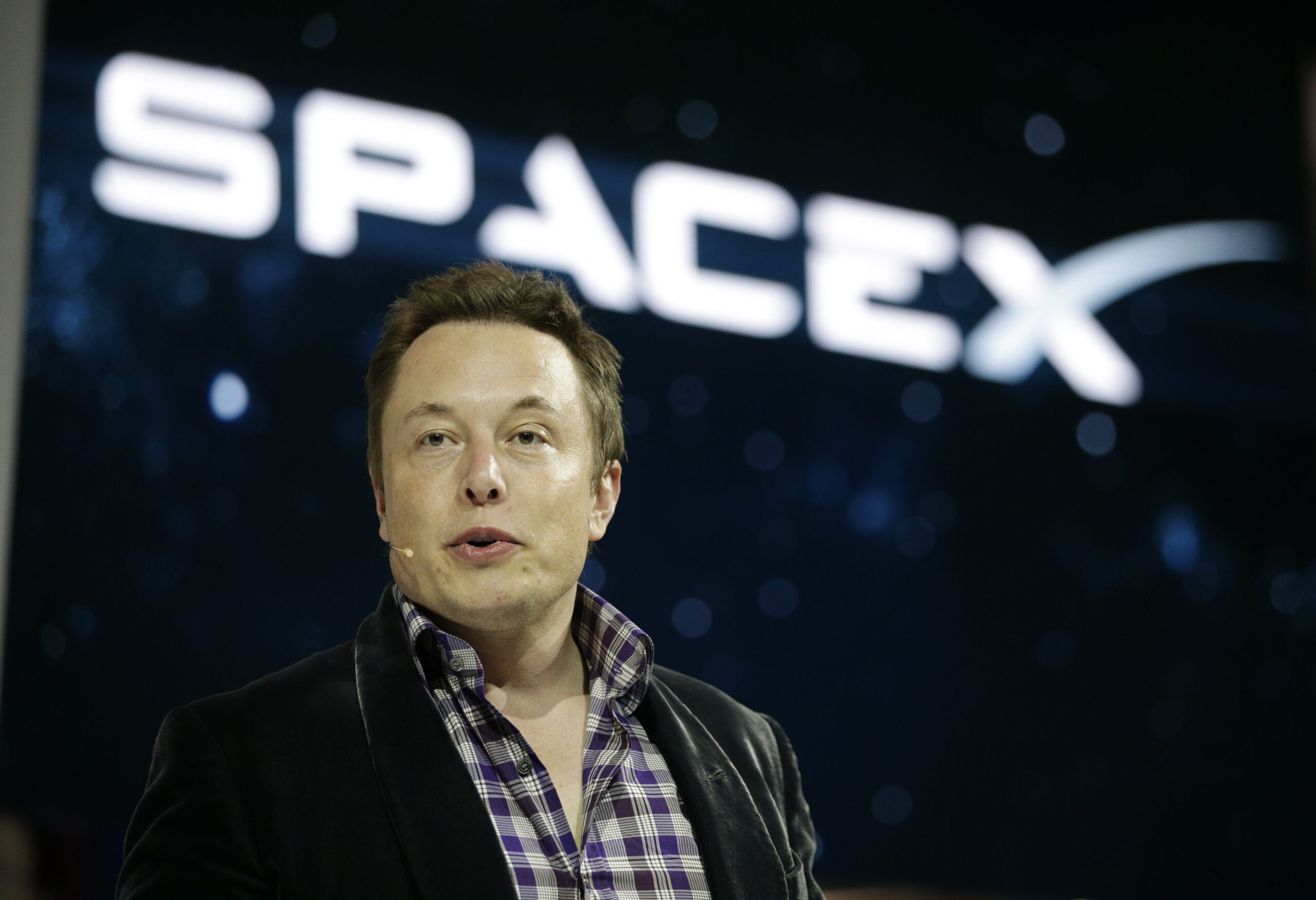
On Thursday, August 6th, the stock of SpaceX rose amidst a surge in trading volume, as the stock had previously faced multiple lock-up restrictions. The first restriction expired on Thursday, leading to as many as 9.12 billion shares flooding into the market.
Thursday saw SpaceX’s stock price increase by 6.1%, reaching $114.92 per share; by midday, the trading volume had exceeded $23 billion.
Although SpaceX’s initial public offering (IPO) was the largest in U.S. history, only less than 5% of the shares were available for trading at that time.
However, a series of restrictions on additional sales by insiders, employees, and early investors are set to be gradually lifted in the coming months. Thursday’s unlocking was the first wave, allowing ordinary employees and some early investors to freely sell 9.115 billion shares, further increasing the number of tradable shares on the stock market from the approximately 639 million shares sold at the IPO.
Overall, the lock-up restrictions to be lifted by December 8th will increase SpaceX’s potential tradable floating shares to 40% of the total share capital. The remaining 60% of shares (including those held by Musk) will continue to be restricted until mid-2027.
Since its highly anticipated debut on the market, SpaceX’s stock price has seen a decline. On Wednesday, due to quarterly financial reports, the stock plummeted by about 14%, intensifying concerns in the market about the company’s significant operational losses and massive expenditure plans in artificial intelligence (AI) infrastructure.
Reuters reported that investors believe the upcoming unlock of lock-up periods could depress the stock price. While the expiration of lock-up periods does not mandate insiders to sell their shares, the market often takes a cautious stance towards such events.
Market analyst Carolane de Palmas from ActivTrades stated, “Employees and early investors may want to lock in profits or allocate funds to other investment opportunities. Even without significant selling, the increase in tradable shares could lead to heightened stock price volatility.”
SpaceX is at a critical juncture. After a steep sell-off, the stock price has remained below the $135 IPO price for three consecutive weeks. The company’s first post-IPO financial report revealed substantial AI-related expenses, raising concerns about data center and chip costs, and the stock’s decline has resulted in underperformance compared to other tech stocks.
Since its listing on June 12, SpaceX’s stock price has fallen by more than a quarter, while the tech-heavy Nasdaq index has risen by about 2%.
However, space industry expert Micah Walter-Range stated that SpaceX is “a company that has achieved remarkable efficiency in rocket launches and satellite space and is applying this concept to building AI infrastructure.”
Some investors also believe that SpaceX still presents an exceptional investment opportunity and advocate for focusing on its long-term prospects.
“We are investing in SpaceX for the long term. For us, this is a 10-year investment,” said Phillip Lord, CEO of Bitcoin Japan, who is currently investing in SpaceX. “People might be concerned about a potential 5%, 10%, or 20% drop in stock price, but this guy (Musk) is changing the world,” he added.
Musk has previously stated that SpaceX’s revenue could reach $1 trillion by 2030.