
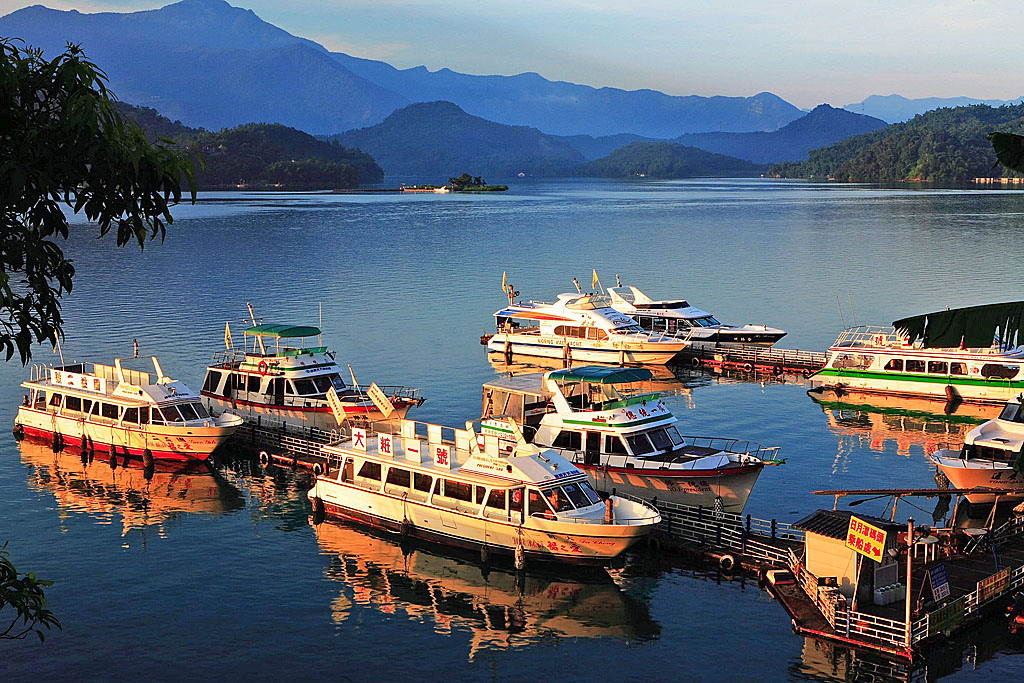
The Taiwan Tourism Office of the Ministry of Transportation of the Republic of China announced a summary of Taiwan’s tourism situation today (August 3). In 2025, the number of domestic trips by Taiwanese reached 247.61 million, which represents an 11.52% growth from 2024 (222.03 million trips) and a 46.28% growth from 2019 (169.28 million trips). The total domestic tourism expenditure reached 564.3 billion New Taiwan Dollars (NTD), showing a 9.4% increase from 2024 and a 43.7% increase from 2019, marking the highest figures in history.
The Taiwan Tourism Office of the Ministry of Transportation of the Republic of China pointed out that as the scale of tourism continues to expand, travelers’ ways of traveling, the content of their trips, and their spending patterns are also changing simultaneously. This reflects that the Taiwan tourism market has gradually shifted from pursuing the quantity of tourism to enhancing the value of tourism. It also demonstrates that Taiwanese people are placing more emphasis on the quality and holistic experience of their travels.
In recent years, the Tourism Office, in collaboration with the central and local authorities, has promoted initiatives such as the “Taiwan Tourism 100 highlights” and the “Taiwan Tourism Biennial Calendar Events,” and introduced various measures like the “Taiwan Travel Bus” discounts and “Taiwan Good Travel” half-price promotions, in conjunction with the government’s addition of a 7-day holiday in the second half of the year. These efforts aim to create a favorable environment for the development of domestic travel and provide conducive conditions for the transformation of the tourism market.
The survey results indicate a continuous growth in Taiwanese people’s travel demands, with a further increase in the frequency of trips. The average number of domestic trips per person in 2025 increased from 10.46 times in 2024 to 11.65 times, with same-day round trips accounting for 79.1%, reflecting that Taiwanese people are arranging their travels more frequently and flexibly. High-frequency, short-duration trips have become a common trend in the market. Moreover, there is a preference for traveling around one’s living area, with nearly 67% of trips falling into this category, showcasing a new trend of “life as travel.”
The survey also revealed that weekend or Sunday outings (57.8%) are the most popular choices among Taiwanese travelers, with self-planned trips accounting for the majority (92.1%). When selecting domestic travel destinations, the most important consideration factor for Taiwanese people is “convenient transportation or easy access,” while the importance of “stress relief and leisure health” has been increasing annually. In terms of activities engaged in during travel, “other leisure activities” (such as shopping, shopping, and hot springs) have become the most popular choice at 57.1%, followed by “natural scenic activities” (52.5%) and “culinary activities” (48.3%).
For recreational activities, day-trippers most enjoy “tasting local specialties and unique cuisines,” while overnight travelers prefer “scenic coastal geological landscapes, wetland ecosystems, rural sceneries, streams, and waterfalls,” indicating that Taiwanese people have a preference for travel activities that provide mental relaxation and stress relief. The Tourism Office encourages weekday travel as a means to avoid crowds and enjoy a better travel experience.
The Tourism Office emphasized that the value of tourism is gradually becoming a significant indicator of tourism importance. The average expenditure per person per trip is 2,279 NTD, with overnight trips averaging 5,714 NTD, approximately 4.2 times that of same-day round trips (1,372 NTD). Notably, day-trips by young people (aged 20 to under 40) had the highest expenditure, amounting to 1,432 NTD, while overnight trips by seniors (aged 60 and above) spent the most at 6,243 NTD. In terms of specific expenditure areas, young people have the strongest consumption power in entertainment, dining, and transportation expenses, while accommodation and shopping expenses are predominantly led by the elderly.
The Tourism Office highlighted that as the duration of travelers’ stays lengthens, expenditures on accommodation, dining, transportation, entertainment, and shopping also increase concurrently. Travelers are more willing to allocate their spending towards accommodations, food, cultural experiences, leisure activities, and local specialties to create a complete travel experience. While the number of visitors remains a crucial foundation for the market size, the length of stay and the experiential content are the key factors in enhancing the economic benefits of tourism.
The survey findings showed that among individuals who engage in international travel, the proportion of those who also participate in domestic travel at least once (94.9%) exceeds that of non-international travelers (87.3%). International travelers took an average of 13.65 domestic trips, more than non-international travelers’ 11.31 trips, and the average domestic travel expenditure for international travelers was 2,961 NTD, higher than the 2,233 NTD spent by non-international travelers.
The Tourism Office pointed out that this indicates the complementary nature of domestic and international travel among Taiwanese. Additionally, independent travelers spend an average of approximately 18,410 NTD on international airfares, with 64.2% of all overseas travelers flying with national airlines. Moreover, domestic expenditures related to international travel before and after the trip amount to around 2,657 NTD, totaling an estimated 50.3 billion NTD annually. This illustrates that expenditures related to international travel not only benefit overseas consumption but also drive domestic industries such as aviation transport, travel services, insurance, retail, transportation, and communication, reflecting that international travel not only stimulates overseas consumption but also supports the development of domestic related industries.
In conclusion, the Taiwan tourism market has gradually shifted from pursuing the quantity of tourism to enhancing its value, attracting tourists to extend their stays, and shifting the focus from attractions to complete travel experiences. The key to future competitiveness lies in creating comprehensive travel experiences that compel travelers to make special trips, stay longer, and eagerly anticipate return visits. Through the positive interaction between domestic and international travel and related industries, Taiwan’s overall tourism competitiveness can be effectively enhanced.
The Tourism Office stated that this survey was conducted through telephone interviews supplemented by mobile phone and online responses. It was distributed based on the population proportion of individuals aged 12 and above in all 22 counties and cities nationwide, using the gender and age statistics from the Ministry of the Interior’s household registration data as a basis. The sampling error within a 95% confidence interval was ±1.27 percentage points. The definition of domestic travel aligns with international standards (UN Tourism and OECD): individuals traveling outside their daily living areas within Taiwan for recreational activities, with a travel period not exceeding one year (including same-day round trips); those traveling to destinations for employment and remuneration are excluded from the scope of domestic travel.