
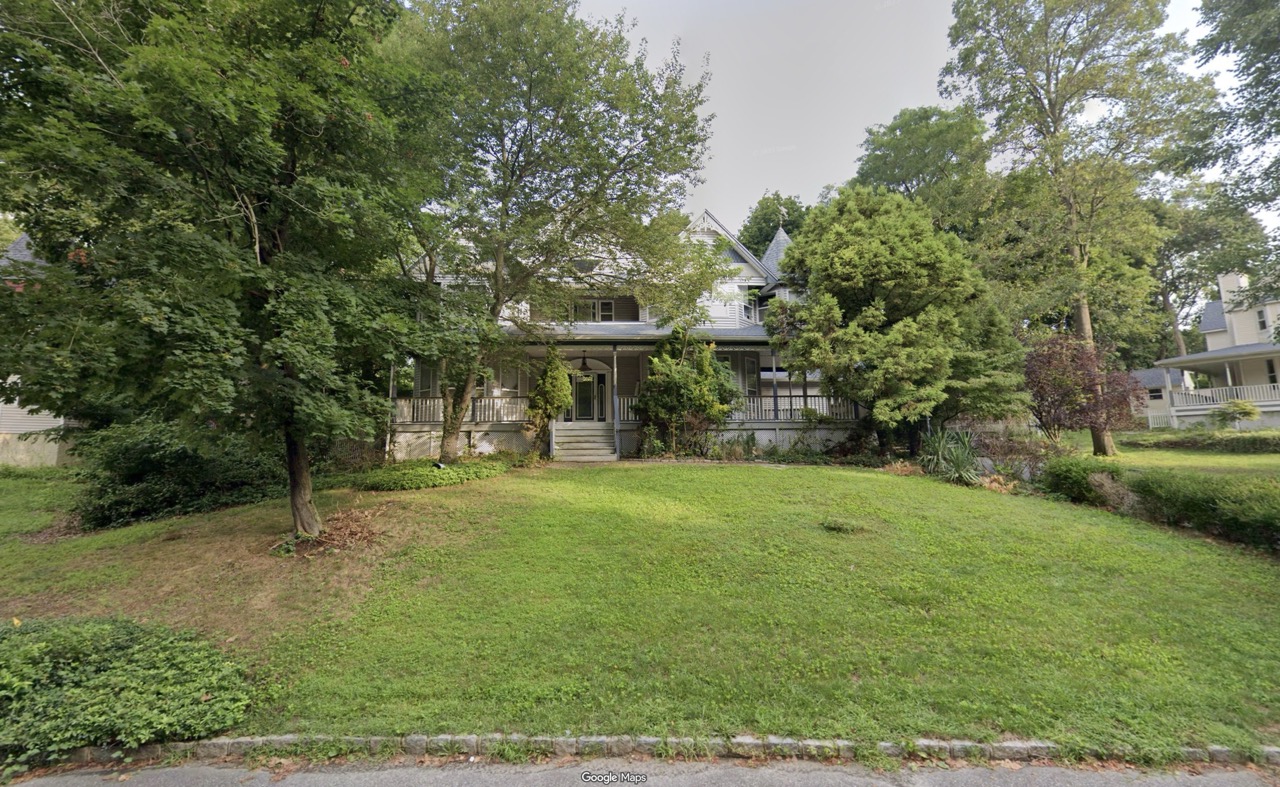
On July 2nd this year, a house fire broke out in Long Island, New York, fortunately with no casualties, but it revealed a deeper issue: the house was illegally rented out to an excessive number of students and involved unauthorized modifications. The two Chinese owners now face 30 illegal charges related to building, renting, and fire safety violations.
This incident in Long Island raises questions about what international students in the United States should be aware of when renting and how to find legitimate rental housing. It is essential not to find yourself panicking in the middle of the night to escape from a burning room or be awakened by thick smoke. It is crucial to ensure that the hard-earned money from your parents is spent on safe housing.
The Long Island rental house fire incident occurred around 4:15 in the morning on July 2nd, in a 4-bedroom house located at 19 Salem Drive in Stony Brook, Brookhaven, Suffolk County. The fire started in the second-floor bathroom and spread to the walls, alerting over ten sleeping residents. Fortunately, the fire department arrived in time to control the fire, and all occupants escaped unharmed.
The house is owned by a Chinese couple, Xingtao Liu and Juan Lin. The cause of the fire is still under investigation, but authorities believe it may be related to careless smoking. However, the focus of the case is on the discovery that what was intended to be a single-family residence with 4 bedrooms had been converted into 10 rentable living spaces. The basement, first floor, second floor, and attic all had rooms, totaling 18 beds, with many rooms numbered and equipped with locks that required keys.
According to the investigation by the Brookhaven Town government, at the time of the fire, the house was occupied by about 12 people, most of them students from Stony Brook University. Consequently, the local government concluded that the operation was not a typical “whole-house rental” but an unpermitted rooming house, leading to the building being condemned as unsafe. The presence of numerous electrical appliances like electric heating plates, microwaves, rice cookers, and small refrigerators in the rooms indicated that each room functioned as an independent living unit, increasing the overall fire risk.
The most dangerous aspect was not just the excessive number of rooms – safety issues identified by officials included the illegal setup of bedrooms in the attic, multiple rooms lacking proper emergency exits, insufficient or missing smoke detectors, exposed electrical boxes and wiring, unauthorized room partitions, illegal door locks on some rooms, lack of valid rental permits, and unapproved renovations without a Certificate of Occupancy.
The Town government specified that individuals were found to be sleeping in these unauthorized modified spaces above the bathrooms. If the fire had spread upward, these residents may have been trapped due to the lack of escape routes. Additionally, firefighters unfamiliar with the modified layout would face extra risks during rescue operations.
Following the investigation, the two owners were charged with 30 violations of the Brookhaven Town Code, including operating an illegal boarding house, operating without a valid rental permit, unauthorized constructions, illegal modifications, lack of smoke detectors, and bedroom doors with locks.
One of the owners, Juan Lin, had previously been convicted of renting the same property without a valid lease permit, resulting in several charges being upgraded to repeat offenses. Considering the multiple charges, the owners could face fines up to $436,000 and a maximum of 90 days in jail if convicted.
In fact, the local fire department stated that Stony Brook has long witnessed a significant number of illegal rental properties, many of which cater to Stony Brook University students and pose risks regarding illegal modifications and residential safety hazards. Therefore, the July 2nd fire incident is not merely a crisis waiting to happen but a ticking time bomb that could explode unpredictably.
In March 2018, another case in Stony Brook at 1423 Stony Brook Road exposed an illegally rented single-story ranch-style house where approximately 8 to 10 people, primarily university students, resided. The property had unauthorized modifications in the garage and basement, with each bedroom equipped with lockable doors, some having refrigerators and microwaves. The basement featured two bedrooms, a kitchen, and a bathroom, along with coin-operated laundry machines. At the time of inspection, it was discovered that up to 10 students might have been living in the house.
Similar to the current case, this illegally rented property lacked rental permits, smoke and carbon monoxide alarms, leading to its closure and students being forced to vacate. Stony Brook University provided on-campus housing to the affected students, and the town government revoked the owner’s property tax exemption.
These two cases of illegal rental properties share similarities, with the primary difference being that the 2018 case was exposed through a neighbor’s complaint, whereas the 2026 case was only discovered after the fire, highlighting more severe fire risks and illegal modifications.
In 2014, a rental house near the University of Southern Maine in Portland on Noyes Street was engulfed in a fire, resulting in six fatalities. Upon investigation, the house lacked smoke alarms, emergency exits, and contained unauthorized living spaces, leading to the landlord’s conviction and imprisonment for violating fire regulations.
In 2019, a fire broke out at an illegal rooming house in Washington D.C., claiming the lives of a 10-year-old boy and an adult tenant due to obstructed escape routes by iron bars on basement doors and windows. In 2025, the landlord was sentenced to nearly 36 years for two counts of manslaughter and 26 housing violations.
These nationwide cases demonstrate the dangers of illegal rentals, emphasizing the critical need for tenants to be vigilant about potential risks. Below, we provide tips for international students renting in the United States and how to avoid pitfalls.
When starting your study abroad journey, it is advisable to initially seek housing through official school channels or partnerships, such as applying through the Housing Office or certified rental websites. These avenues offer verified and secure housing options tailored for students.
Another option is large student apartment complexes designed specifically for students, offering “individual lease” agreements where even if roommates move out or breach the contract, it will not affect your rent or credit score. While these complexes generally provide fully-equipped facilities, they may not be available near every university.
Moreover, utilizing mainstream rental platforms like Zillow, Trulia, Apartments.com, Redfin, etc., can help you find rental properties posted by professional property management companies or verified landlords.
However, while it may be tempting to save money by sharing an entire house with classmates or friends or opting for rooming houses, which can indeed be cost-effective options, such choices may harbor risks similar to the aforementioned cases. Therefore, it is crucial to thoroughly verify the legality of rental properties.
So, what differentiates sharing a house and rooming houses? In brief, sharing a house involves multiple tenants collectively renting a whole property under a single contract with shared responsibilities, whereas rooming houses entail individual rooms rented out separately, each tenant having a separate contract and rent amount, potentially resulting in tenants being strangers to each other.
Before signing a lease and making payments, it is advisable to perform three essential checks: 1. Verify the homeowner’s name on the county or city’s property records website; 2. Confirm that the landlord’s name on the lease matches the registered property owner; and 3. Search for keywords like “complaint, violation, scam, lawsuit” related to the property address or landlord’s name. These pre-checks can help prevent falling into potential pitfalls.
For sublets, ensure to check the original lease, written consent to sublet from the primary landlord, the identity of the primary tenant, and the sublease terms. Merely possessing keys does not validate the right to sublet. The Federal Trade Commission warns of scammers who could pose as legitimate landlords, alter contact information, or even gain house keys to impersonate landlords.
There are three key permits to inquire about: Rental permit, Occupancy permit, and Landlord ownership. Confirming all such permits is essential as they indicate the legitimacy of renting, residing, and the authorized party to collect rent.
Since there is no universal national database for legal rentals in the U.S., the regulations are typically determined by cities, towns, or counties. Searching for rental permits can be done online by inputting the city name and relevant keywords for rental license lookup or permit search.
By accessing the Housing Department, Code Enforcement, or Building Department website of the city, entering the complete property address should reveal whether the property has a valid rental license, its expiration date, and the registered responsible parties.
Furthermore, it is necessary to inquire about the Certificate of Occupancy (CO) issued by the local building department, confirming compliance with safety regulations, disaster standards, and designated usage. This can be found by searching the county name along with keywords like Property Tax Assessor or County Clerk Public Records.
To prevent illegal subletting or scams by second landlords, ensure that the contracting party is the legal property owner. To verify landlord ownership, search the county for Property Tax Assessor or County Clerk Public Records, input the address, and find the publicly available owner information of the property.
In addition to online verifications, if possible, it is wise to physically visit the property to confirm its conditions.
Be highly cautious if you notice the following signs: partitioned rooms in the basement or attic, non-bedroom spaces (living rooms, dining rooms, garages) converted into bedrooms, rooms lacking standard-sized windows or secondary escape routes, the need to pass through other bedrooms to exit, sealed windows, presence of various appliances in every room (rice cookers, refrigerators, microwaves, electric heating plates), visibly makeshift partitions, heavily concentrated electric wiring, inadequate smoke and carbon monoxide alarms, inconsistencies in the address or unit number compared to the lease. These are all danger signals.
If the landlord advises you not to mention living there when inspectors visit, you should be even more suspicious as it indicates an illegal setup.
The primary consideration should not be rent affordability but rather assessing if you can quickly escape from your room in case of a fire.
Lease agreements in the U.S. carry significant legal weight, and once signed, you are bound to its terms, so exercise caution when entering into such contracts.
Leases typically last for a year and typically do not allow for early termination. If you need to move due to internships, returning home, transferring schools, or visa issues – simply leaving could lead to forfeiture of your security deposit, be pursued for the remaining rent, or tarnish your credit history with litigation records in the U.S.
Additionally, clarifications on utilities like water, electricity, gas, internet, and trash bills should be clearly stated – whether they are included in the rent or not. If not included, ensure you understand the account setup and payment methods.
Moreover, most U.S. leases feature a 30 to 60-day Notice Period for renewals. Even if the contract states it ends on August 31st, failure to provide written notice of termination (Notice to Vacate) within the specified period – typically around 60 days – may lead to automatic renewal of the lease, potentially increased rent, or forfeiture of the security deposit as a penalty.
Lastly, be aware that U.S. law follows the Parol Evidence Rule, which deems all oral promises generally invalid. If the landlord promises things like “new carpets before move-in,” “wall repainting,” or “free parking,” ensure these commitments are included in the supplemental contract clauses (Addendum) before signing.
If you remain uncertain about the lease terms, consider seeking lease review services provided by student legal assistance at your school, enabling professional lawyers to scrutinize the contract terms for free. ◇