
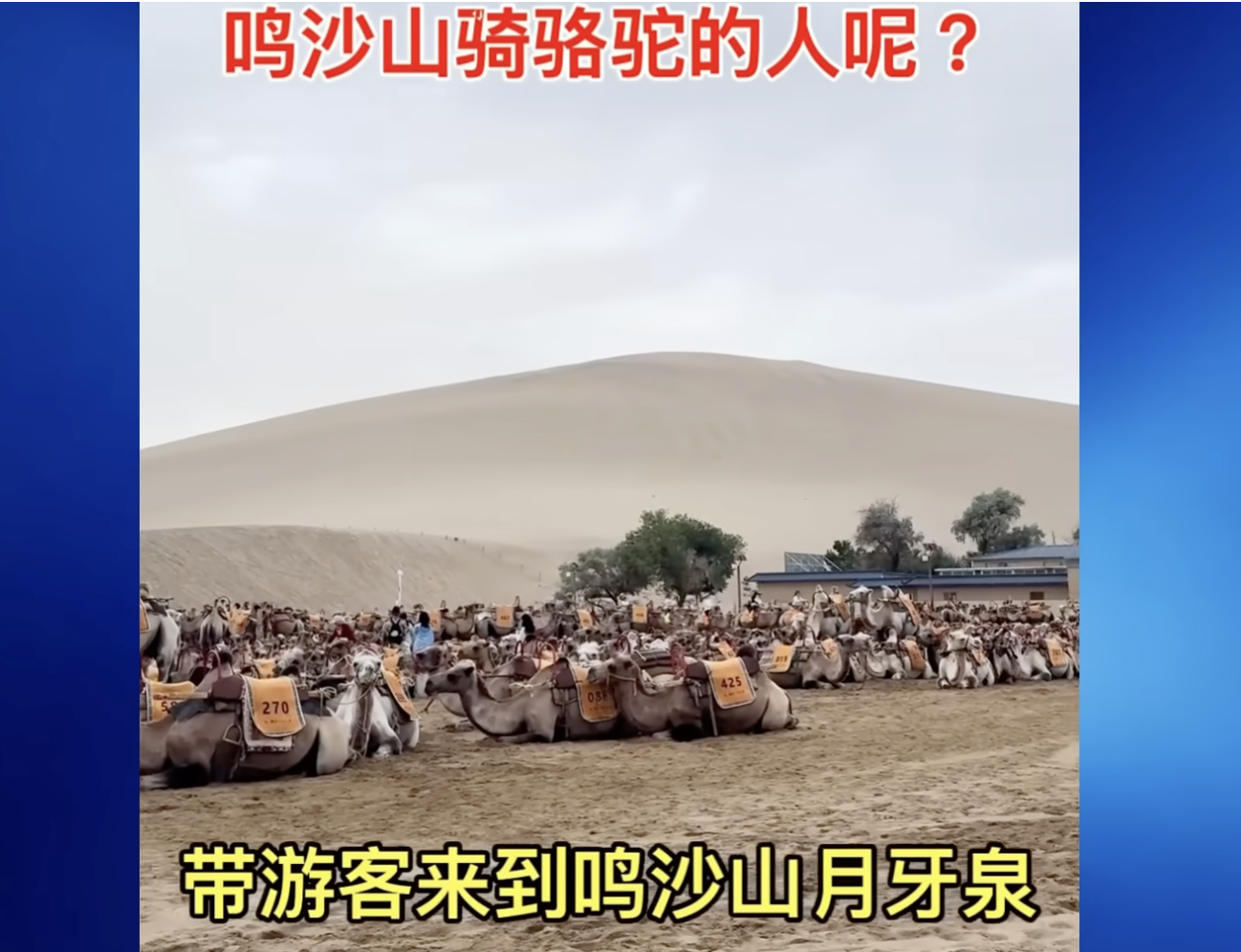
China’s economy continues to struggle amid the traditional peak summer travel season, with travel industry professionals across the country reporting low tourist numbers and deserted attractions.
In Yangshuo, Guangxi, a guesthouse owner lamented the lack of visitors, stating that out of 20 rooms only two were occupied due to the minimal number of tourists. The owner attributed this downturn to excessive rainfall and the sluggish stock market affecting the economy.
Similarly, a guesthouse owner in Motuo County, Tibet, noted that prices were cut in half compared to the previous year, yet the number of tourists remained significantly lower.
Tour guides at West Lake in Hangzhou mentioned the decrease in visitors, with boat rides no longer requiring queuing and taxi drivers expressing concerns over the noticeable drop in tourists.
At Yan Dang Mountain in Wenzhou, a tour guide mentioned the stark difference in tourist numbers compared to the previous year, even stating that they only had two visitors recently.
In Hunan’s Enshi, a travel enthusiast highlighted the decrease in travelers this year due to financial constraints, with many opting to stay home rather than embark on journeys.
Numerous videos have circulated online showcasing the grievances of travel industry professionals, including guides in Beijing, Xingjiang, and Gansu expressing the unprecedented decline in tourist numbers, leading to financial struggles.
From top tourist spots like the Bund in Shanghai to ancient towns in Xinjiang and Qinghai, popular destinations that should be bustling during summer are now eerily quiet. Even in places where tourists remain, their spending power has significantly decreased, leading to struggles for restaurants and hotels.
Social media users have observed a decrease in travel-related discussions in their circles, with some noticing the lack of university students and intense spending seen during previous summer breaks.
Amid these circumstances, some attribute the decline in travelers to challenges faced by university students in finding employment and the shift of younger students towards seeking summer jobs.
China’s consumption power has continued to decline this year, as official data from the first quarter of 2026 shows an increase in domestic travel but a notable decrease in spending. The lackluster consumer environment and overall weak domestic demand have raised concerns among analysts about the true state of China’s economic data.
As the country grapples with economic challenges and a shifting consumer landscape, the impact is evident in various sectors, including the travel industry, highlighting the need for innovative solutions and support to revive the sector and boost consumer confidence.