
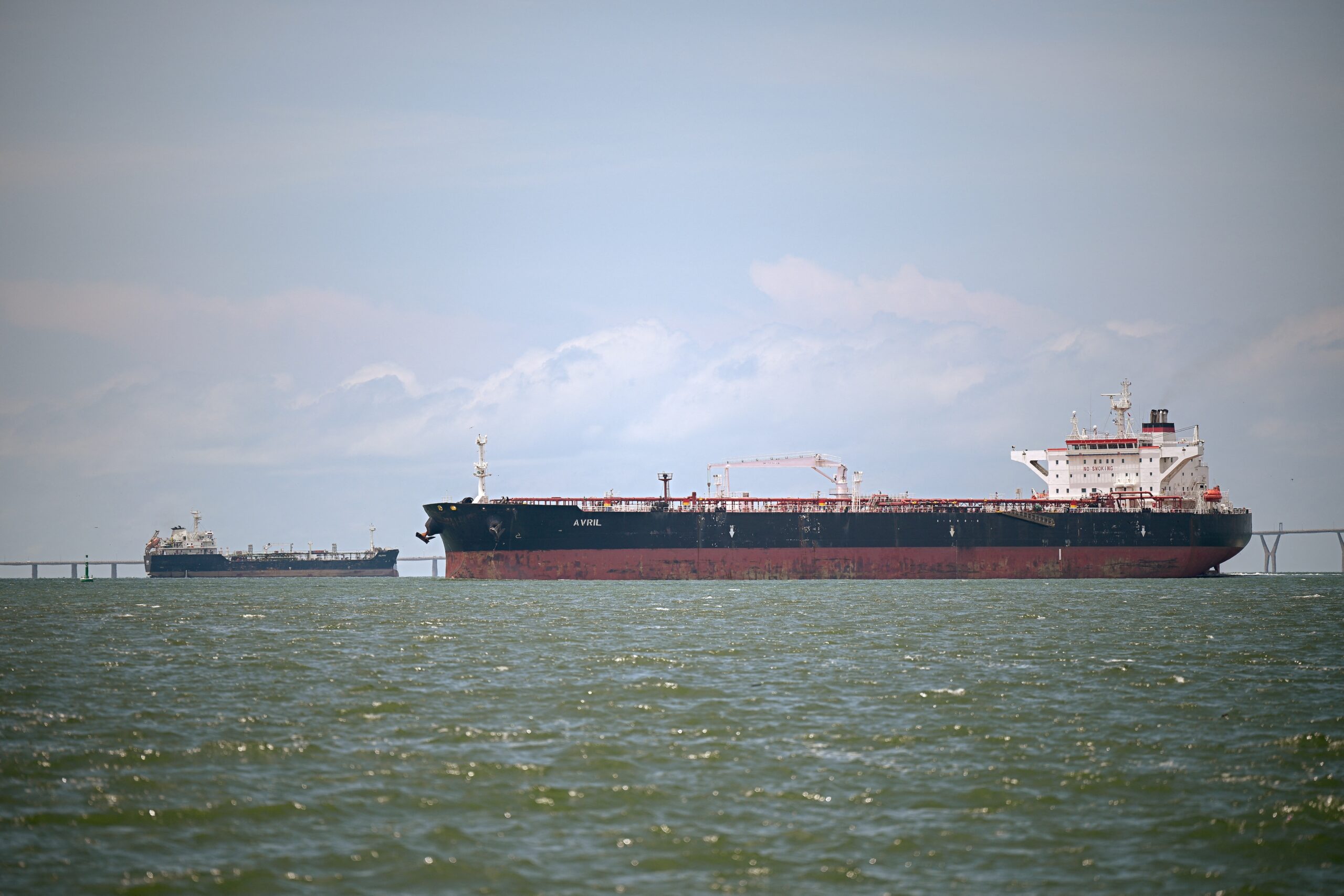
The ongoing Middle East conflict has led to a shortage of available oil tankers for rent, causing a sharp increase in shipping costs. To put things into perspective, the cost of chartering a tanker to transport oil from the United States to China currently exceeds the cost of launching a SpaceX Falcon 9 rocket into space.
According to Bloomberg, the shipping cost for this maritime journey is around 80 million dollars, whereas the standard launch cost for a SpaceX Falcon 9 is 74 million dollars. Earlier this year, the same amount of money could have purchased a tanker outright.
The exorbitant shipping costs are a result of a global shortage of tanker capacity. In the past few weeks, the market for very large oil tankers has seen unprecedented demand, a situation even industry veterans have never witnessed before. Shipbrokerage firm SSY stated that even after adjusting for inflation, current tanker rates are at their highest levels since the introduction of very large oil tankers in the 1960s, surpassing even the “Tanker War” period of the 1980s during the Iran-Iraq conflict when commercial ships were attacked in the Persian Gulf.
Russell Hardy, CEO of the world’s largest independent oil trading company Vitol Group, remarked at a recent conference, “The current tanker capacity is indeed insufficient, leading to a nearly exponential rise in shipping prices.”
The surge in oil tanker transportation costs is simple: there aren’t enough tankers to efficiently transport all the needed oil. With the ongoing conflict in Iran, oil-producing countries in the Middle East are adopting a shuttle tanker transport mode through the Strait of Hormuz to export oil. Laden with crude oil, tankers pass through the strait and transfer the oil to another tanker in the Gulf of Oman before heading to Asia.
This mode of transport reduces the risk of Iranian attacks on tankers and boosts the volume of crude oil being exported through the Strait of Hormuz. However, it also means that more tankers are needed to transport the oil out of the Gulf. Compared to pre-war scenarios, these additional transport segments sometimes add about a week to each journey, further exacerbating the global tanker capacity crunch.
Iran’s exports to China are effectively stalled, intensifying supply constraints and forcing Chinese buyers to purchase more crude oil from other regions, driving up demand for tankers on the mainstream market. Additionally, attacks by Iran have caused some ships to be taken out of operation for repairs, further tightening capacity. Meanwhile, to avoid attacks by Houthi militants, some vessels have had to detour around Africa, adding thousands of miles to their journey.
In the past, the cost of oil transportation was a small part of the entire oil supply chain, but it has now become extremely expensive relative to the price of oil itself. Last week, a deal was struck for the rental of a tanker departing from the United States, with transportation costs amounting to a staggering 41 dollars per barrel of oil, compared to an average freight rate of just 4.50 dollars per barrel on the same route last year. This freight cost equals approximately 45% of the West Texas Intermediate (WTI) crude oil futures price. WTI crude oil futures traded close to 91 dollars per barrel on Friday, October 9.
According to CNBC, an informed source revealed that as global shipping costs soar due to the Middle East crisis, a super tanker sailing from the U.S. Gulf Coast to China was recently chartered for 76 million dollars.
The source indicated that the super tanker named “Alexandros,” rented by commodity trading company Trafigura, is expected to load cargo around November 19. Under normal circumstances, the standard freight for this route would be between 7 to 10 million dollars at pre-war levels. Assuming the tanker can carry 2 million barrels of crude oil, the transportation cost for this journey amounts to 38 dollars per barrel.