
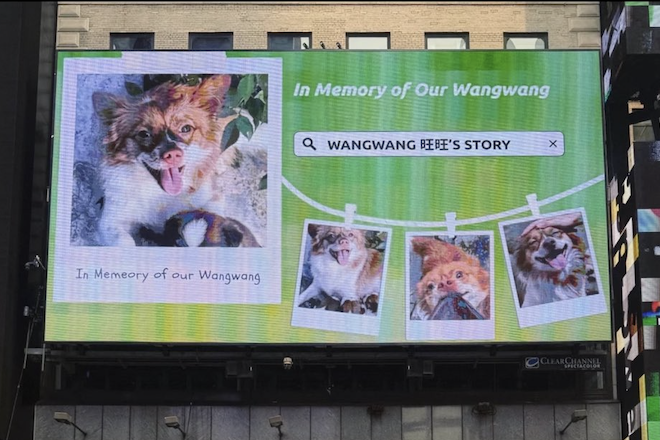
In the recent month, the shocking case of animal abuse in Jieyang, Guangdong on June 28 has sparked a wave of advocacy for animal rights in China. The incident involved four boys under 14 years old who cruelly mistreated a stray dog named “Wang Wang” and her three puppies, leading to the death of the animals. The boys filmed themselves abusing the dogs and shared the videos online, causing outrage globally.
Many people have questioned why there is no specific legislation for animal protection in China, and critics have pointed out that the oppressive regime of the Chinese Communist Party (CCP) is the root cause of such animal cruelty. The CCP fears that enacting laws to protect animals may raise awareness of human rights among the public.
Efforts to speak out for “Wang Wang” have faced suppression in China, with reports of individuals being warned by local police for advocating for animal rights online. Despite the pressure from authorities, advocates have continued their support for animal rights through various means such as distributing flyers, posting advertisements, and organizing events in different cities across the country.
The incident has also garnered attention internationally, with campaigns and demonstrations in countries like the United States, Canada, Malaysia, Japan, Taiwan, and Australia. Organizations like Lady Freethinker have initiated petitions urging China to intervene in the case of the underage perpetrators, hold guardians accountable, and promote anti-animal cruelty legislation.
A historical analysis reveals that the CCP has a dark history of exploiting and mistreating animals for various purposes. From the “kill the dog” campaigns in the 1930s and 1940s to the violent crackdown on pet dogs before the Beijing Olympics in 2008, the party’s policies have often disregarded the sanctity of life and justified animal cruelty for political or social control.
The lack of comprehensive legislation against animal abuse in China has left such cases to be handled through public pressure and law enforcement measures. Despite sporadic advocacy efforts over the years, lasting change has been difficult to achieve due to the complexities of the issue and the limitations on freedom of expression in the country.
The ongoing suppression of animal rights activists by the CCP reflects a deeper aversion to human rights consciousness being awakened in the population through legislative reform. Despite the challenges, advocates both within China and abroad remain determined to seek justice for animals like “Wang Wang” and push for a more compassionate society that respects all forms of life.