
Luxury goods giant LVMH, which released its latest official financial report on Monday, October 12th, saw its organic sales for the third quarter (Q3) increase by a modest 1%, reaching 18.5 billion euros (approximately 20.7 billion US dollars), slightly below the 1.3% growth expected by analysts surveyed by Visible Alpha.
According to analysts from Reuters, the main reason for the underperformance is the deteriorating demand in the Chinese market, coupled with tax audits targeting the wealthy class by the Chinese authorities, which have caused the main growth engine of this luxury goods giant to stall.
As the industry leader to announce Q3 performance this year, LVMH’s setback highlights the challenges faced by the global luxury goods industry with a value of 3.5 trillion dollars, struggling to regain growth momentum after a slowdown lasting three years.
Due to poor performance and worsening macroeconomic conditions, LVMH’s stock price has plummeted by about 40% this year, even losing its position as the highest-valued publicly listed French company to L’Oréal. Group Chairman Bernard Arnault has also dropped out of the top ten of the Bloomberg Billionaires Index as a result.
Financial data shows that the core sector of the LVMH group contributing nearly half of its revenue, the fashion and leather goods sector (including brands like Louis Vuitton and Dior), saw a 5% decline in organic sales in the third quarter, far exceeding the analysts’ predicted 1.8% decline.
The main reason for the downturn, as indicated in the financial report, comes from weak consumer spending in Greater China, leading to a steep 5% drop in sales in the Asian markets excluding Japan in the third quarter. In contrast, the markets in the US, Europe, and Japan have remained resilient, with 5% and 4% growth in the US and Europe in Q3, respectively.
Cécile Cabanis, Chief Financial Officer of LVMH, pointed out that the sharp deterioration in Chinese consumer confidence due to the impact of the macroeconomic situation has severely affected non-essential consumption. Furthermore, a one-off logistics and transport disruption that occurred within the flagship brand Louis Vuitton during the quarter also had a negative impact of over one percentage point on the Q3 growth.
Reuters additionally reported that a recent trademark dispute with the tea brand “Molly Tea” in China has sparked public backlash for Louis Vuitton, further adding uncertainty to the brand’s image in the country.
Despite the pressure on its leather goods business, LVMH showed some resilience in the third quarter and first nine months (9M) of the year through its diversified business layout:
– Selective Retailing:
Organic sales surged 8% in Q3 (6% cumulative growth for the first nine months), mainly driven by the rapid expansion of Sephora globally, which has propelled strong momentum.
– Watches & Jewelry:
Organic growth of 6% in Q3 (8% cumulative growth for the first nine months, reaching 7.725 billion euros), largely attributed to the continued strong sales of the top jewelry collections of Tiffany & Co. and Bulgari.
– Wines & Spirits:
Organic growth of 6% in Q3, supported by the high exposure brought by Moët & Chandon’s collaboration with Formula 1 and the launch of innovative cocktails by Hennessy in the US.
– Perfumes & Cosmetics:
Slight 1% organic growth in Q3 (flat at 0% for the first nine months). The performance of Parfums Christian Dior’s J’Adore and Sauvage fragrance lines remained steady.
When calculated by “reporting revenue,” the group’s total revenue for the first nine months (571.5 billion euros) showed a 2% actual decline compared to the same period last year, mainly due to around a 3% negative impact from exchange rates and recent asset disposals by the group (such as selling Marc Jacobs to the US brand management company WHP Global on September 1 and partial asset disposals of its travel retail giant DFS).
Facing market challenges, LVMH management expressly stated that the company will not implement price promotions but will focus on “balancing brand desirability and perceived value.”
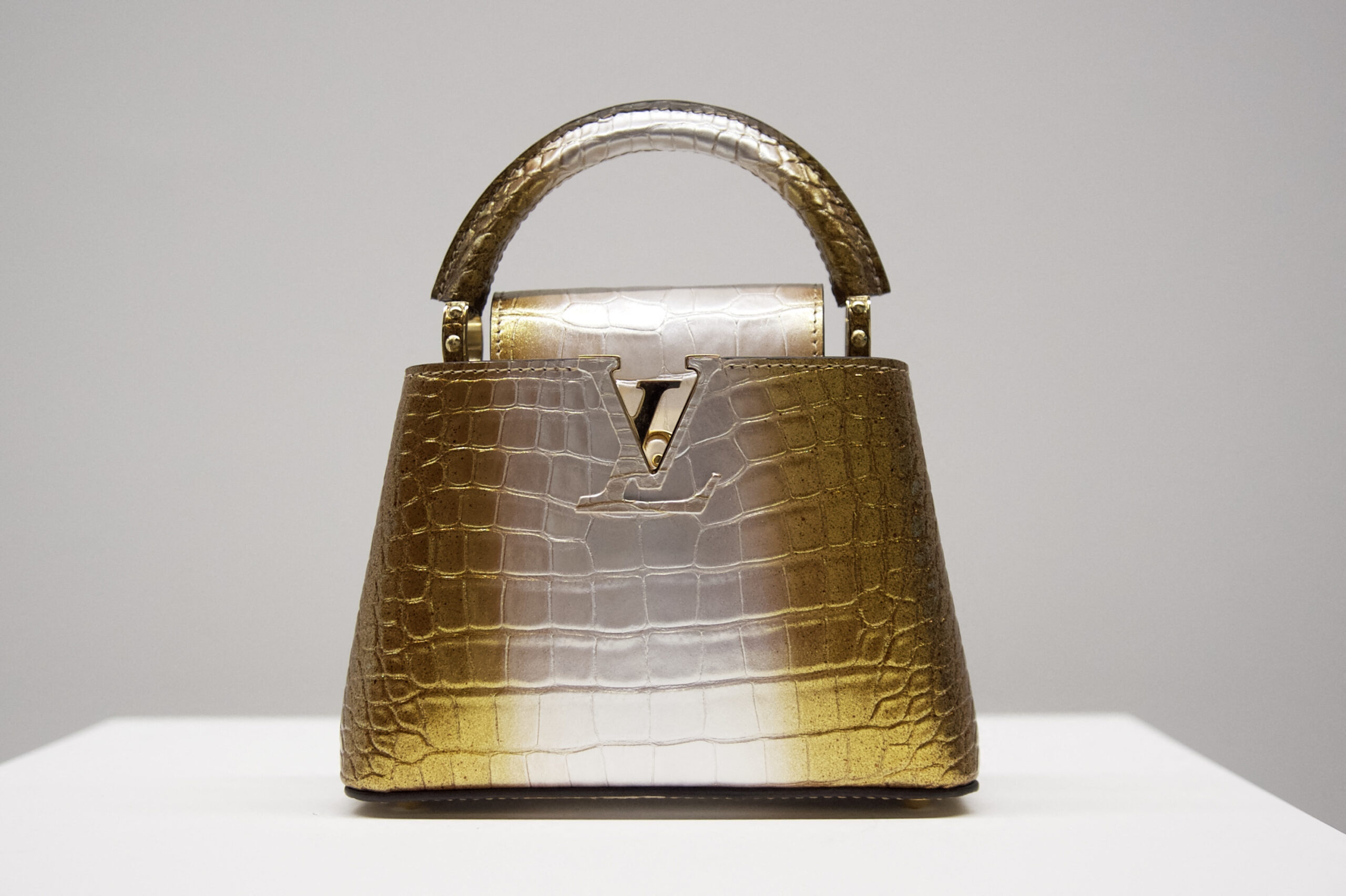
The company emphasizes its commitment to strengthening brand attractiveness through continuous creativity. Initiatives such as the new designs injected by Jonathan Anderson for Dior, the fresh outlook led by Sarah Burton at Givenchy, and Louis Vuitton’s advancement in classic handbags like the Emblème series celebrating the 130th anniversary of the Monogram (launched in 1896) are all preparations for the next growth cycle.