
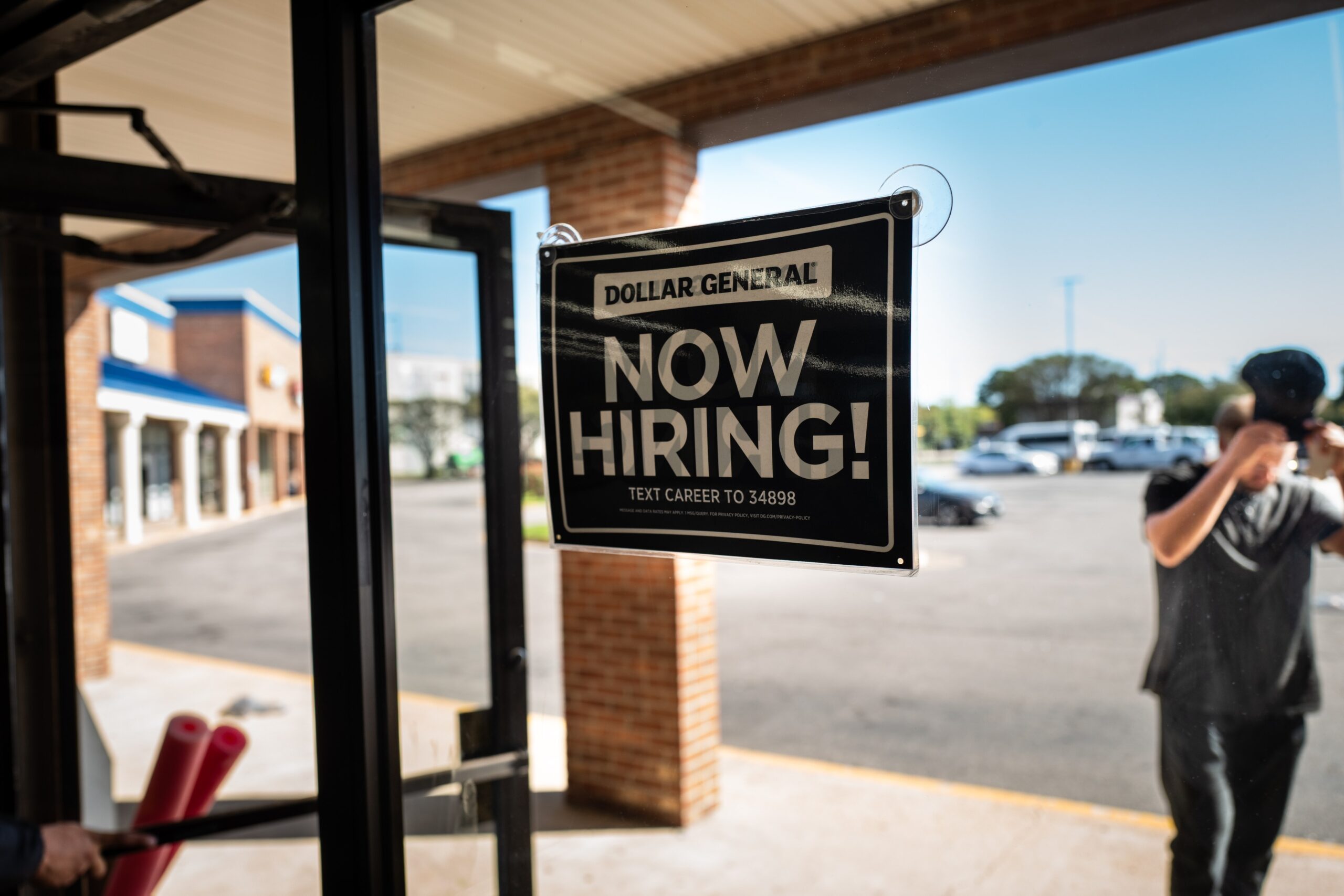
On Wednesday, August 5th, the ADP (Automatic Data Processing) National Employment Report for July in the United States was released, showing slower job growth in the private sector than expected.
Last month, private sector employment increased by 44,000, revised down from the initial report of a 95,000 increase in June. Economists surveyed by Reuters had previously predicted that following the 98,000 increase in June, private sector employment in July would add 70,000 jobs.
Most of the new job gains came from the education and health services sector, adding a total of 36,000 positions. However, the leisure and hospitality industry saw a decrease of 11,000 job opportunities. Employment losses were also seen in trade, transportation, utilities, as well as in the natural resources and mining industry.
There was slight growth in professional and business services as well as in the financial industry. Manufacturing added 2,000 new jobs, while the construction sector saw an increase of 1,000 positions.
Samuel Tombs, Chief U.S. Economist at Pantheon Macroeconomics, stated, “Due to the additional cost pressures from surging energy prices, businesses are less willing to hire; at the same time, artificial intelligence (AI) is enhancing the productivity of existing employees, making it harder for companies to anticipate their mid-term human resource needs.”
The ADP report is issued earlier than the Employment Situation Report from the Bureau of Labor Statistics (BLS). On Friday, the BLS will release its comprehensive July employment report, which is highly anticipated.
Another report released by the BLS on Tuesday showed that in June, there were 1.04 job openings for every unemployed person, a ratio that saw little change compared to May. Economists surveyed by Reuters predict that following an increase of 49,000 jobs in June, private sector employment in July will see an increase of 78,000 jobs.
It is expected that the overall nonfarm payrolls in the United States will increase by 80,000 in July, following a 57,000 increase in June. The unemployment rate is forecasted to remain unchanged at 4.2%. However, there is a slight risk of a slight increase in the unemployment rate, as a survey released last week by the Conference Board showed that the proportion of consumers considering job opportunities as “plentiful” in July dropped to the lowest level since February 2021.