
On July, Pramila Jayapal, a federal congresswoman from Washington state, introduced a new bill in the United States that proposes providing an additional $60 in agricultural subsidies each month to recipients of Supplemental Nutrition Assistance Program (SNAP) and some middle-class families. This legislation, known as the “Fresh Bucks for Fresh Produce Act,” aims to establish a pilot program that would allocate funds to states to distribute extra food subsidies to low and moderate-income populations. To qualify for this subsidy, household income must be below 80% of the median income in their area.
Income limits vary significantly by region, with places like Bismarck, North Dakota, having a median income threshold of around $63,000, compared to San Francisco, California, at about $113,000. The specific income limits will be determined jointly by the Department of Agriculture (USDA) and the Department of Housing and Urban Development (HUD).
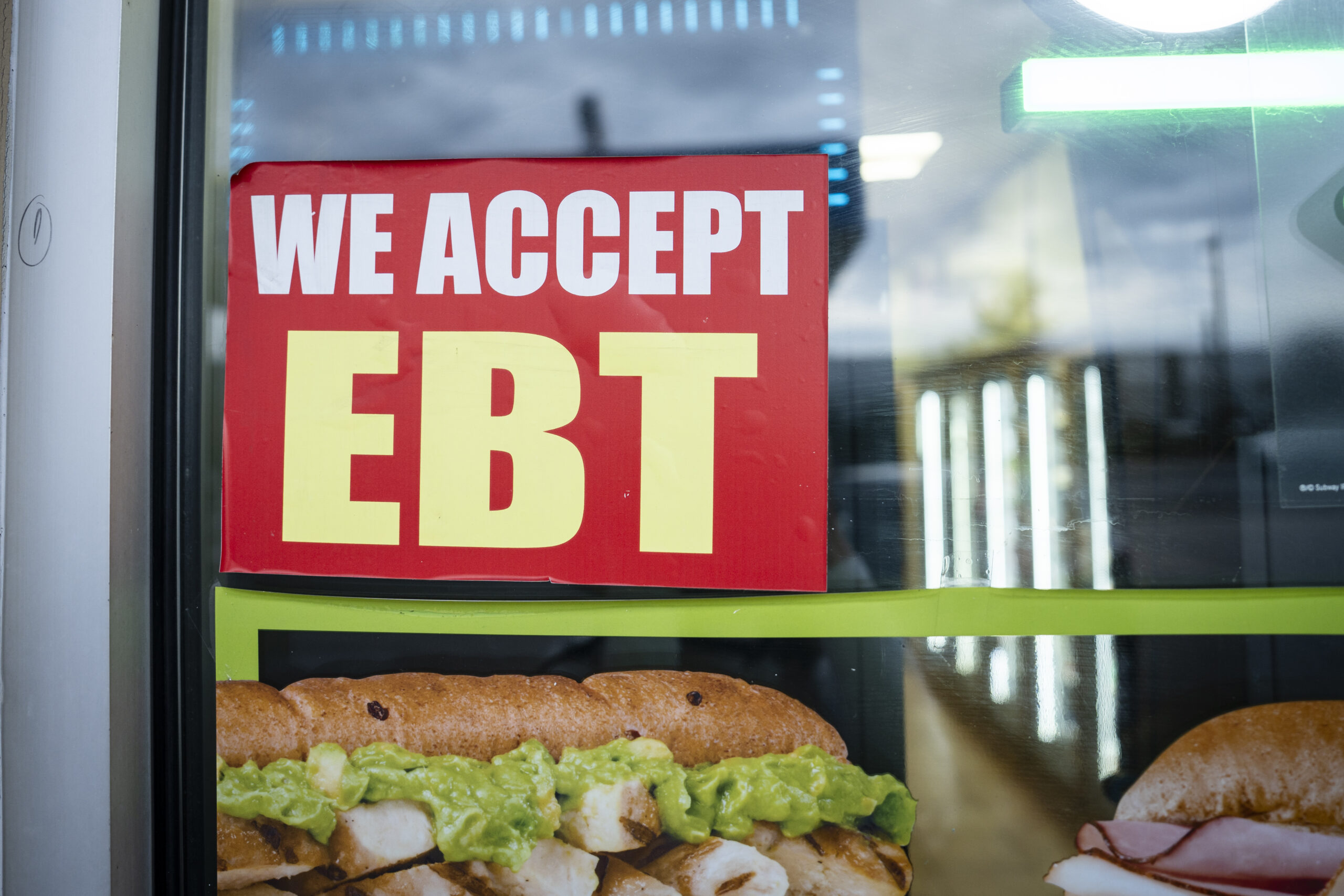
Households currently receiving SNAP benefits will receive an additional $60 on top of their regular monthly SNAP benefits, which will be loaded onto their EBT cards. Those not currently receiving SNAP benefits will be issued a new EBT card. This $60 is intended to be used for purchasing fruits and vegetables, whether fresh, frozen, or dried.
The bill proposes the establishment of a new grant program to provide additional funding to specific states to establish pilot programs. States will need to actively apply for this additional funding, with priority given to states focusing on “food-insecure communities.”
Jayapal was inspired to introduce this bill by a pilot program in Seattle that improved food security and access to fresh produce for participants. She emphasized the importance of passing this legislation to expand the program nationwide, ensuring that families across the country have access to affordable and healthy agricultural products.
The proposal was submitted on July 2 and is currently under review, modification, and may be presented for a full House vote by the House Committee on Agriculture.
It is estimated that approximately 37 million people in the United States receive SNAP benefits. Recent adjustments have reduced the number of eligible individuals, with further cuts possible in the future.
This article was referenced from a report by The Hill.