
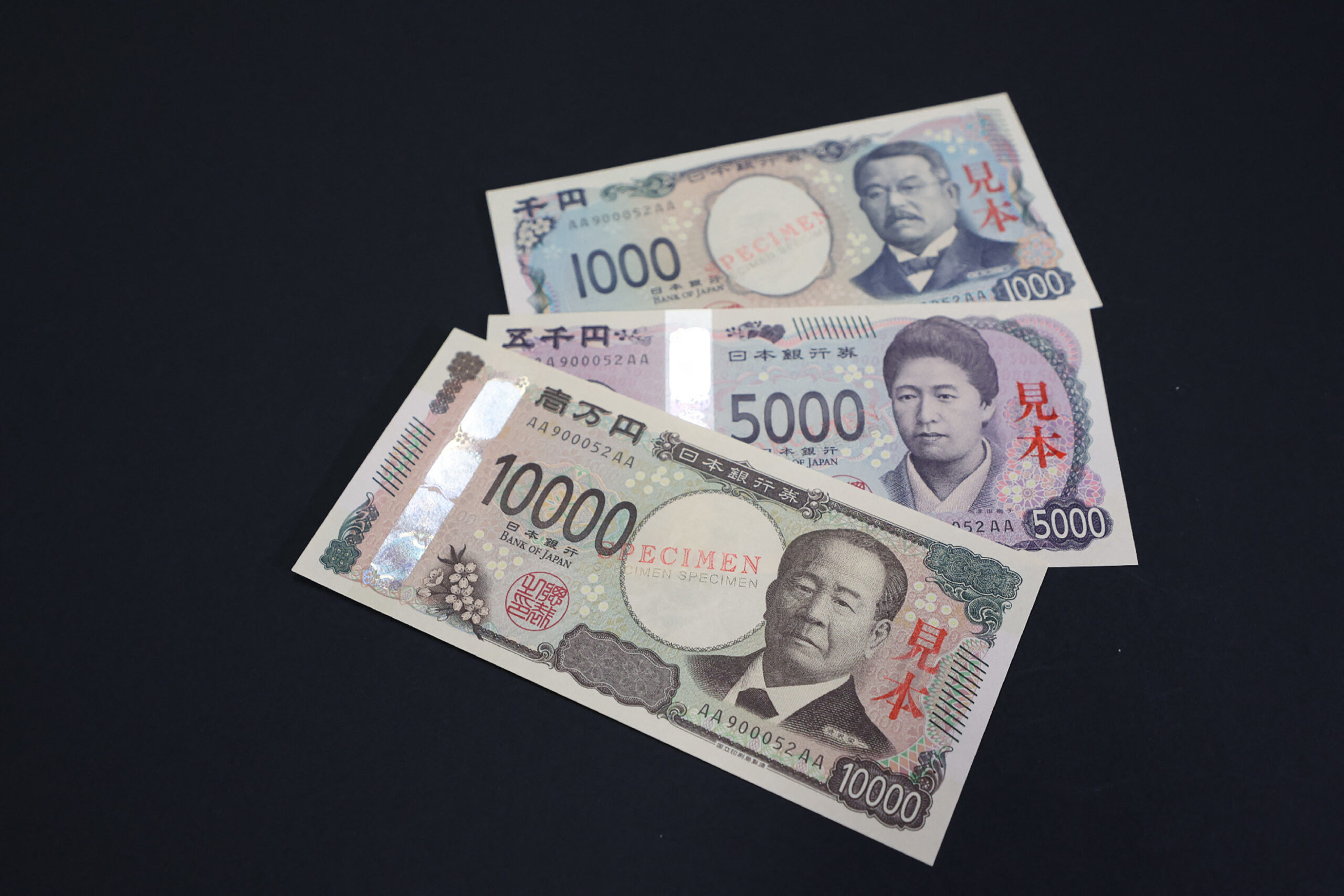
Recently, on Friday, July 31st, the US Department of the Treasury bought Japanese yen to shore up the yen exchange rate, which had fallen to a 40-year low. This marked the first time in over a decade that Washington collaborated with Tokyo to intervene in the Japanese currency market.
According to reports from informed sources cited by the Financial Times, the New York Federal Reserve Bank sold euros through Goldman Sachs and Morgan Stanley on behalf of the US Department of the Treasury in exchange for Japanese yen. However, the reports did not disclose the specific amount of yen purchased.
Earlier on Friday, a source informed Reuters that the US Treasury Department had notified several banks, indicating the possibility of intervening in the yen market and requesting them to “prepare for possible actions.”
A photo captured by a Reuters journalist at a cabinet meeting held at Camp David in Maryland showed Treasury Secretary Scott Bessent’s notebook with a to-do list, which included “Buy yen (JPY) $5-10 billion.”
The last time the US directly supported the yen was in 2011, following the earthquake and tsunami disaster in Japan, when the US and other G7 member countries coordinated actions to stabilize the market.
After news of the US Treasury possibly buying yen emerged, the yen exchange rate saw a significant increase in late afternoon trading on Friday. Data from the London Stock Exchange Group (LSEG) showed that the USD/JPY rate dropped from around 158.9 yen at about 4:14 pm Eastern Time to approximately 157.6 yen before 5:00 pm.
In recent weeks, the USD/JPY rate had surged to nearly 164 yen, reaching its highest level since 1986.
Data released by the Bank of Japan on Friday indicated that Japan might have sold up to $58.97 billion on Thursday to buy yen, underscoring the ongoing efforts by the Japanese government to curb the yen depreciation.
According to Nikkei News on Saturday, Tokyo once again intervened in the currency market during the New York trading session on Friday.
The Japanese Ministry of Finance posted on social media platform X, stating that monetary authorities have a “broad range of tools to meet market liquidity needs,” evidently aiming to calm concerns about Japan’s ability to conduct large-scale interventions.
The Ministry of Finance stated, “We are ready to use existing tools to support orderly market operations when necessary, including possibly utilizing the Federal Reserve’s Foreign and International Monetary Authorities Repurchase Facility (FIMA).”
The FIMA repurchase facility was introduced during the COVID-19 pandemic in 2020, allowing foreign central banks and international monetary authorities to temporarily pledge their holdings of US Treasuries to the Federal Reserve for quick access to US dollar liquidity, thereby alleviating global US dollar shortages and stabilizing financial markets.