
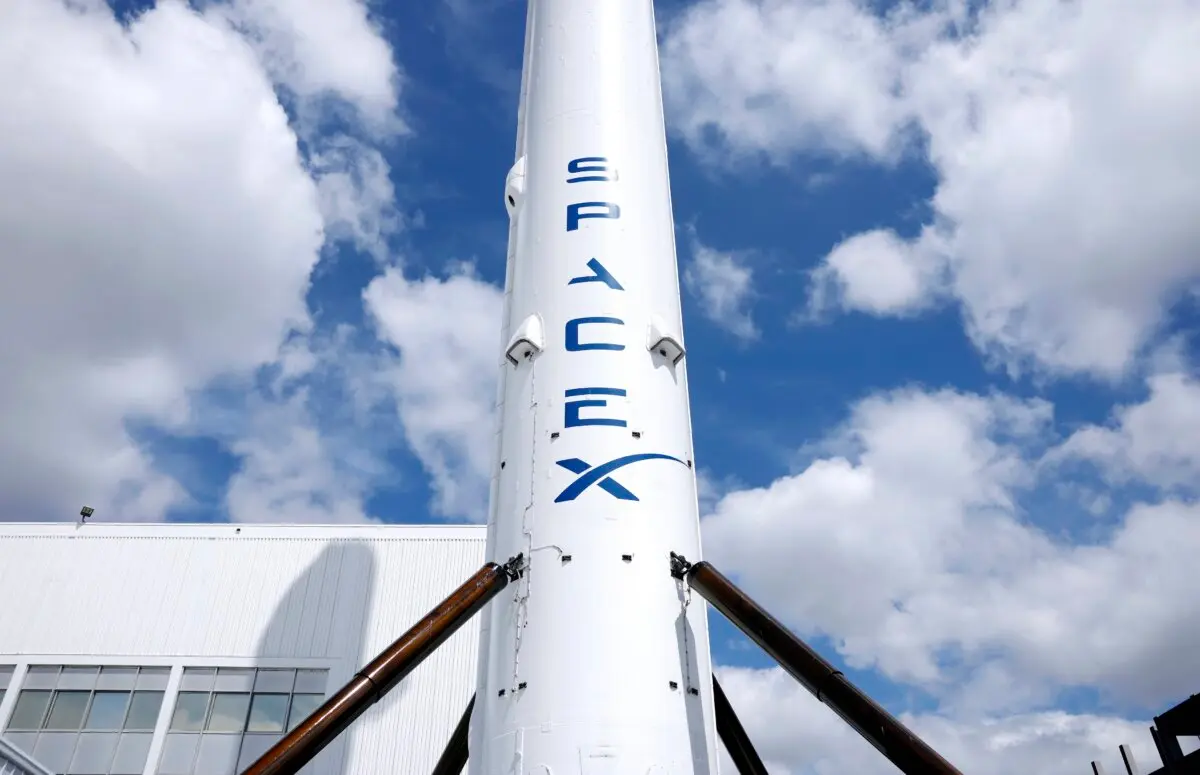
On Friday, July 24th, SpaceX successfully completed the 13th test flight of the Starship rocket, achieving multiple key milestones. During this mission, 20 upgraded Starlink satellites were deployed in suborbital space for the first time. The Starship spacecraft also achieved its best controlled splashdown in the Indian Ocean approximately one hour after liftoff.
This was the second test flight of the V3 improved version of the Starship. In May of this year, the V3 encountered multiple engine failures during its first test flight. Last week’s launch test was aborted due to some engines failing to ignite properly. This mission demonstrated significant progress in the new Starship system.
The Starship spacecraft did not experience any apparent performance issues during this flight, successfully completing engine burns and testing reignition of an engine mid-flight.
Upon reentering the atmosphere, the Starship flipped from a belly-down position to a vertical stance, executed a controlled splashdown in the Indian Ocean, then slowly tilted and floated on the sea surface.
SpaceX spokesperson Dan Huot, while watching the Starship splashdown during the live broadcast, couldn’t contain his excitement, saying, “I’m going crazy right now.”
He went on to point out, “This is the first time we’ve managed to get an intact Starship into the water.” Huot described the splashdown as a “dream scenario” and referred to it as the “softest touchdown of the Starship to date.”
The launch, dubbed “Lucky Number 13” by SpaceX, also resulted in the first deployment of 20 Starlink V3 test satellites. These new satellites offer greater bandwidth and faster internet speeds.
After releasing the satellites during the unpowered glide phase, SpaceX successfully established contact with all 20 satellites. These satellites are not designed to remain in space long-term; they are planned to reenter the atmosphere and burn up approximately 20 minutes after deployment.
This test sets the foundation for SpaceX’s future large-scale deployment of V3 satellites using the Starship. The company aims to expand the Starlink network by the end of 2026, allowing regular mobile devices to connect directly to satellites beyond the coverage of traditional cellular networks.
SpaceX CEO Elon Musk specifically highlighted the progress made with the Starship’s heat shield during this mission.
As the Starship reentered the atmosphere at over 20 times the speed of sound, the ceramic tiles covering the spacecraft’s exterior withstood high temperatures, showing only minor scorch marks on the surface, indicating reduced damage compared to previous tests.
The durability of the heat shield is a crucial aspect for SpaceX to achieve rapid reusability of the Starship. Musk’s long-term goal is to enable the Starship to fly and return like an airplane.
Despite several advancements in the overall mission, the splashdown of the “Super Heavy” booster at the end did not fully meet expectations.
When the booster ascended, all 33 engines ignited successfully; after separation from the Starship, 13 engines reignited as planned to guide itself back. However, during the final descent for landing over the Gulf of Mexico, 5 engines failed to reignite successfully, resulting in a higher-than-expected splashdown speed.
SpaceX had originally planned to discard this booster into the sea. Huot stated, “Our original goal was to achieve a gentler splashdown; as you all saw, it still had quite a high speed upon contact with the water.”
This test flight holds significant importance for NASA’s lunar exploration program.
NASA Administrator Jared Isaacman shared a photo of the Starship soaring with the moon in the background and jokingly remarked, “SpaceX knows where we’re going!”
NASA is currently aiming to send astronauts to the moon using commercial lunar landers as early as 2028, striving to take the lead in the US-China moon race.
However, before the Starship can execute crewed lunar missions, it must complete crucial tests such as entering Earth’s orbit, refueling in space, and ensuring crew safety.
This flight also marked SpaceX’s first flight since going public. Following the aborted launch last week, the company’s stock experienced selling pressure. As of the launch, the stock price remained below its initial public offering price, making the performance of this test flight of interest to investors.