
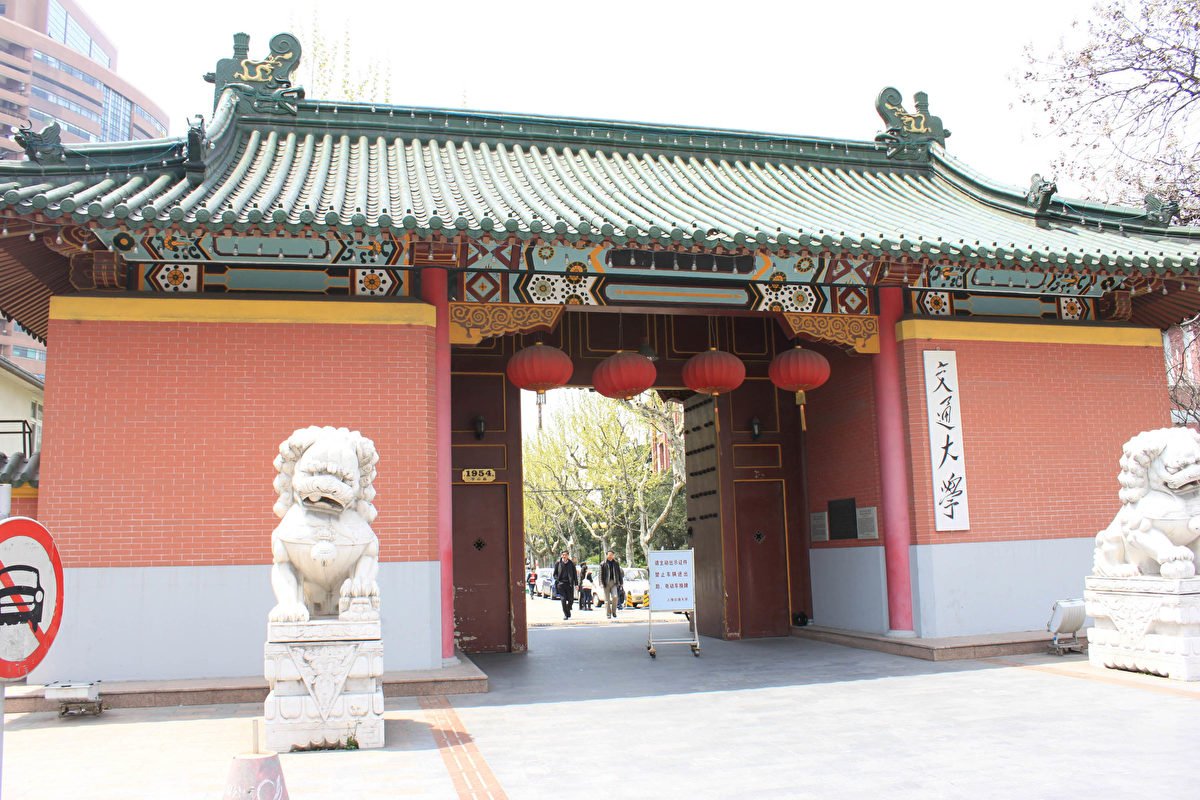
In March 2025, a 6-year-old girl in Shanghai died 7 days after undergoing an experimental gene editing trial. According to internal documents from the relevant hospital, the hospital assessed the relationship between her death and the treatment as “definitely related.” However, this incident was not made public for over a year, and the related clinical trial registration data was not updated. The Shanghai Jiao Tong University School of Medicine, the institution involved, stated that the incident is still under investigation.
According to a joint investigation released on July 23 by the American journal “Science” and the academic supervision website “Retraction Watch,” the girl underwent the trial on March 24, 2025, at the Xinhua Hospital affiliated with the Shanghai Jiao Tong University School of Medicine. She was the only participant in the project.
The girl suffered from Snijders Blok-Campeau syndrome, a rare neurodevelopmental disorder caused by a mutation in the CHD3 gene, primarily affecting language, cognition, and motor skills. This condition typically does not directly threaten life.
The girl’s parents contacted the research team led by Qiu Zilong at the Songjiang Research Institute of the Shanghai Jiao Tong University School of Medicine through a patient communication group. Researchers designed a personalized alkaline editing plan for her, injecting a viral vector carrying gene editing instructions into her cerebrospinal fluid. The joint investigation stated that she was the first known person to receive brain gene editing therapy.
The girl’s family raised approximately $860,000 from personal savings and relatives, equivalent to about 5.82 million yuan, to contribute to the development of the treatment.
Three days after the injection, the girl started running a fever, developed severe kidney damage, and died on the 7th day. Two days later, the ethics committee of Xinhua Hospital held an emergency meeting.
Internal documents obtained in the joint investigation indicated that the cause of the girl’s death was a thrombotic microangiopathy, with her death being assessed as “definitely related” to the treatment.
As of July 24, the project page on the US Clinical Trials registration website ClinicalTrials.gov still indicated that the trial was “recruiting,” without disclosing research results or recording the death of the only participant. The page was last updated on March 6, 2025, 18 days before the girl underwent the trial.
The girl’s parents stated that they only later realized the lack of several safety measures in the trial and decided to make the incident public due to their dissatisfaction with the lack of accountability from the researchers and related institutions.
The joint investigation revealed that Xinhua Hospital allowed Qiu Zilong’s team to conduct the trial based on a provision that did not require approval from the Chinese Communist Party regulatory authorities.
During interviews and review of relevant data, seven experts in genetics, virology, and bioethics expressed concerns that the research team may have downplayed the risks of the trial, not adequately addressed safety warnings from animal experiments, and proceeded with human trials with limited chances of success.
Steven Gray, an expert in viral vectors at the University of Texas Southwestern Medical Center, stated that this therapy “should not have entered human trials.” Several experts have called for a comprehensive review of the relevant data and funding sources.
On February 18, 2026, Qiu Zilong and others published a related study on mice in the British journal “Nature.” The joint investigation mentioned that early versions of the paper referenced the girl’s family and their funding but the formal publication did not include this information or disclose details about human trials and the participant’s death.
“Nature” stated that during the peer review process, they were unaware of the girl’s death and the family’s funding, and if known, this information would have been considered in the evaluation. The girl’s parents have filed a complaint with the Shanghai Jiao Tong University School of Medicine, requesting an investigation and the withdrawal of the paper.
In 2018, He Jiankui, a former associate professor at the Southern University of Science and Technology, carried out human embryo gene editing, leading to the birth of gene-edited babies. The Chinese authorities subsequently claimed to step up oversight in this area, but the research approach used in this trial did not require approval from national regulatory authorities.
According to a report from the mainland Chinese media “Economic Observer,” the publicity department of the Shanghai Jiao Tong University School of Medicine stated on July 24 that the event is “still under investigation.” Qiu Zilong and Xinhua Hospital did not respond to the joint investigation.