
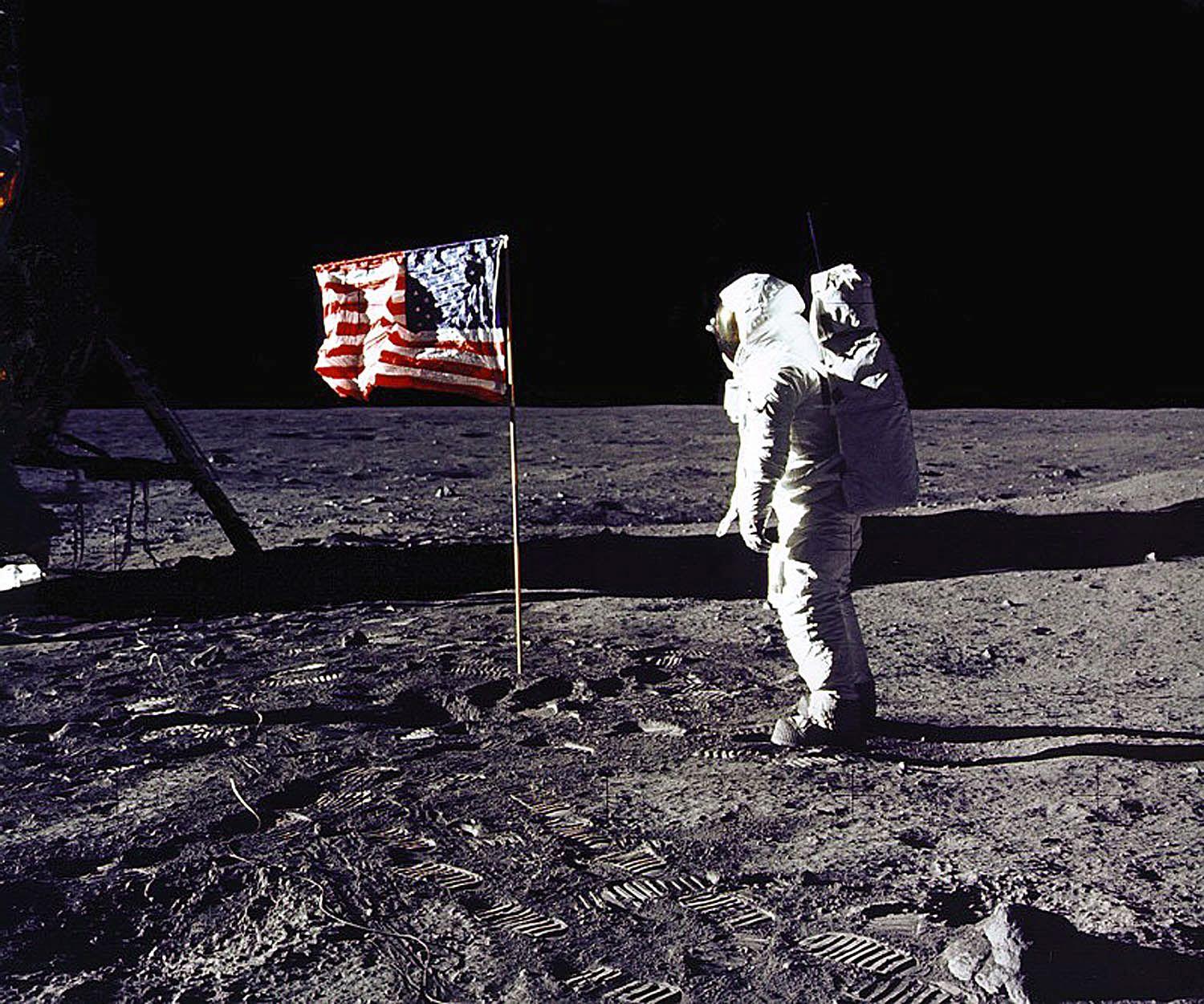
Dreaming of stepping into space is a common aspiration for many, but becoming a NASA astronaut is a path that only a very few can tread. This dream profession has an extremely low acceptance rate, less than 1%, even 30 times harder to achieve than getting into Harvard. From strict academic requirements to physical, mental, and teamwork capabilities, each stage must undergo rigorous testing as NASA seeks out top talents who can perform missions in extreme environments.
In the latest NASA astronaut selection in 2024, over 8,000 people applied, with only 10 individuals ultimately chosen. In contrast, the most recent admissions data from Harvard University showed a total of 47,893 applicants with 2,003 admitted. Therefore, the probability of becoming an astronaut is more than 30 times lower than getting into Harvard.
What does it take to become a space explorer?
NASA states that due to the extremely high risks involved in space missions, which may require life-or-death decisions, astronauts must not only possess top-notch professional skills but also exceptional teamwork spirit, being able to establish a high level of trust with their partners to carry out tasks successfully.
Astronaut Anne McClain points out that NASA is searching for individuals with outstanding qualifications in their respective fields of expertise, possessing qualities such as “high adaptability, reliability, resilience, and attention to detail.”
She emphasizes that NASA is not looking for merely high achievers but individuals who have proven strength in their fields, are trustworthy, and understand their missions and responsibilities clearly.
To become a NASA astronaut, the first step is meeting the basic qualifications. Applicants must be U.S. citizens holding a master’s degree in a STEM field (science, technology, engineering, mathematics), have at least 3 years of relevant professional experience, and pass NASA’s rigorous physical examinations.
Astronaut candidate Chris Martin shares that if applicants pass the initial screening and enter the interview stage, they must undergo a series of strict tests. He recalls that during the physical assessment phase, candidates undergo a detailed two-hour examination including measurements of height, body shape, and various body metrics to confirm their suitability for space missions.
During the interview, the focus is not on the ability of applicants to respond to difficult questions but to understand their life experiences, personal qualities, and reasons for pursuing a career as an astronaut. Martin says, “We were asked to write down 3 to 5 reasons why we want to become an astronaut. These reasons are read aloud before entering the interview room (some candidates even hear laughter from inside the room). The most classic opening question in the interview is: ‘Please introduce yourself starting from high school.'”
After passing the interview, candidates must undergo a week-long comprehensive medical evaluation. He says, “This examination is very strict, as NASA has extremely high requirements for astronauts’ physical conditions, resulting in approximately 50% of candidates being eliminated at this stage.”
NASA also rigorously examines the physical and psychological conditions of applicants.
Due to the distinct differences between the space environment and Earth, some health issues that are not easily detected on Earth may worsen in a long-term microgravity environment, leading to mission interruptions. Therefore, thorough medical evaluations are conducted to ensure candidates possess the necessary health conditions to conduct missions. Astronaut Mike Fincke was once evaluated for potential evacuation from the International Space Station and early return to Earth for medical treatment due to health factors.
During space missions, astronauts must spend long periods in confined spaces, maintain healthy and professional working relationships, and remain calm with a professional attitude when facing high pressure and emergency situations. If astronauts experience severe mental conditions, it may affect mission execution and even pose a risk to the safety of the entire team.
Therefore, NASA seeks to minimize these risks during the selection process and establishes contingency plans for missions, including limiting the individual’s movements when necessary and using tranquilizing medications. However, as of now, there are no public records indicating any crisis management incidents of this nature occurring during space missions.
This article references a report from the technology media outlet BGR.