
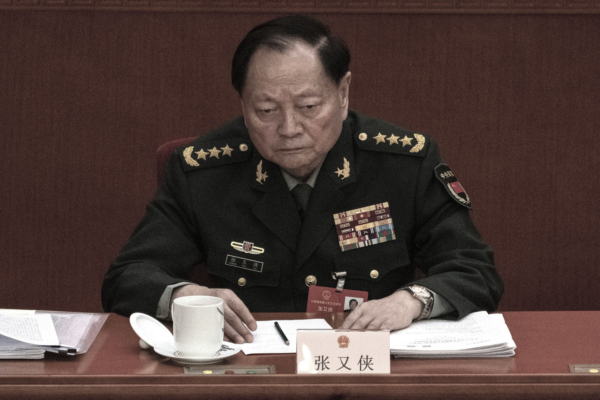
On July 24, 2026, reports emerged that Zhang Youxia, Vice Chairman of the Central Military Commission of the Communist Party of China (CPC), and Liu Zhenli, Member of the Central Military Commission and Chief of the Joint Staff Department, were suddenly removed from their positions on January 24. However, as of today, there has been no official statement regarding any developments in the handling of Zhang and Liu. Rumors overseas suggest that Zhang may receive lenient treatment, but some analysts have cast doubt on this. Earlier reports indicated that Zhang’s case had triggered internal disagreements within the top ranks of the CPC.
On July 22, independent commentator Cai Shunkun mentioned on X platform that there were rumors circulating about Xi Jinping possibly giving Zhang Youxia lenient treatment by retaining his military status and demoting him. Cai expressed skepticism towards this unverified information, stating that it seemed highly unreliable.
Cai Shunkun suggested that based on previous cases like those of Wei Fenghe and Li Shangfu, Zhang Youxia could possibly face a severe sentence, with possibilities including dying in prison or facing consequences once Xi Jinping himself is reassessed. The decision to take down Zhang Youxia at the risk of offending powerful factions within the CPC signifies that a lenient treatment compromising his position wouldn’t align logically with Xi Jinping’s strong actions, potentially indicating a shift in the political authority of the new era and a disruption to Xi’s anticipated re-election at the 21st Congress.
Analyst account “Finding” also shared that the dilemma of handing down a “harsh verdict” to Zhang Youxia is a major political challenge for Xi Jinping. Balancing accountability to the red second-generation and military second-generation while avoiding excessive punishment to prevent backlash within the military establishment is crucial. However, considering Xi’s resolute decision to target Zhang, the notion of a lenient treatment maintaining his military status doesn’t align logically, as it would amount to a self-exposure of compromised political authority, introducing uncertainties to Xi’s re-election at the 21st Congress.
Commenters on online platforms expressed the complexity of Xi’s balancing act: being too lenient may fail to deter potential disloyalty within the regime, while being too severe could destabilize military morale and create vulnerabilities externally, painting Xi as isolated. Nonetheless, most argued that Xi Jinping’s current predicament leaves little room for leniency, emphasizing the gravity of the situation surrounding Zhang and Liu’s cases.
Translations from the Chinese to English regarding Xi Jinping’s investigations into Zhang Youxia and Liu Zhenli and the lack of clear progress raised speculation about the possible lenient treatment of the two officials, reflecting controversies and disparate views within the CPC’s leadership on how to handle the situation discreetly.
Comparisons with cases like that of Ma Xingrui, a member of the Central Political Bureau who faced party expulsion, public office dismissal, and judicial processing in July following official announcements in April, shed light on the disparity in treatment between officials like Ma and Zhang Youxia and Liu Zhenli. The CPC’s opaque handling of such matters continues to spark debate and conjecture among observers abroad.
Cai Shunkun’s analysis highlighted two possible interpretations from the ongoing silence surrounding Zhang Youxia and Liu Zhenli’s cases: either the evidence for their sentencing is insufficient, or internal disagreements and disputes persist within the party’s leadership regarding the appropriate course of action.
Insights into the internal discussions at the Central Political Bureau level revealed three divergent views on the handling of Zhang and Liu’s cases: immediate referral to the military discipline committee for party and military duty expulsion, insistence on adherence to party regulations pending the clear establishment of facts, and the moderate stance reflecting a delicate but already compromised situation where supporting Zhang’s removal seems inevitable.
Zhang Youxia, long considered a key ally of Xi Jinping within the military ranks, faced rumors of ideological differences with Xi on specific issues. On the day of Zhang Youxia and Liu Zhenli’s dismissal, the CPC’s military newspaper published an editorial condemning the two for “seriously trampling and undermining the Chairman Responsibility System of the Military Commission, endangering the CPC’s governing foundation,” among other charges.
Of note is Cai Shunkun’s disclosure on July 16, where he asserted that Zhang Youxia had admitted to attempting to pressure Xi Jinping into relinquishing power, hinting at possible historical revision. According to insider sources, Zhang Youxia had garnered support from some party elders. Cai also speculated about the looming uncertainties surrounding the 21st Congress of the CPC and the potential for sudden shifts in power dynamics due to various factions awaiting opportune moments to influence significant events.