
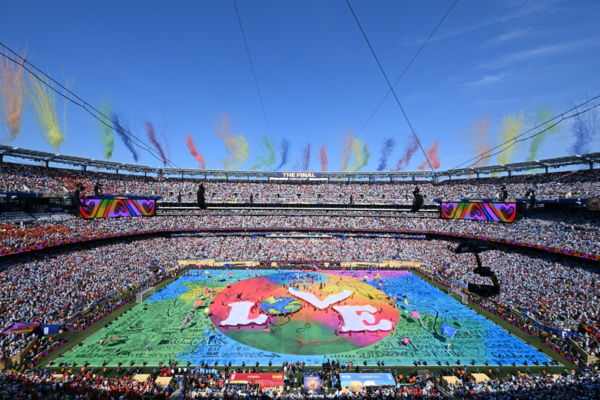
After the conclusion of the 2026 FIFA World Cup, New York Governor Huo Chu announced on July 20th the preliminary impact assessment of the World Cup on the state of New York. Including the finals, all 8 games held in New York and New Jersey were sold out, attracting over 560,000 fans to attend. The first 5 matches alone generated approximately $1.2 billion in direct visitor spending and $2.1 billion in economic benefits, bringing in around $228 million in tax revenue for the state and local governments. With the impact of the remaining 3 knockout matches and the finals yet to be included, the state government expects the overall economic benefits to further expand.
Governor Huo Chu stated that the World Cup is not only an international football event but also a crucial opportunity to showcase the strength of New York. The state government, along with local authorities and partners in transportation, public safety, tourism, and the community, collaborated successfully to host all 8 matches, including the finals. This not only demonstrated New York’s ability to host world-class events but also enhanced its attractiveness as an international tourism and business hub.
During the World Cup, official fan activities and community celebrations attracted over a million participants statewide. Free viewing events and cultural activities in various regions stimulated commercial activities, creating opportunities for the food and beverage, retail, and cultural industries. The state government’s “Welcome World Rewards” program, with over 1,000 restaurants, small businesses, and cultural institutions participating, generated approximately 10,000 transactions, further translating the influx of people during the World Cup into local economic benefits.
In terms of transportation, the state government, in collaboration with the New York-New Jersey World Cup Organizing Committee, reduced the round-trip fare of official shuttle buses from $80 to $20 and sold nearly 120,000 tickets. On average, 97% of fans were able to enter the venues smoothly before the start of the games. Despite the influx of a large number of fans, the average traffic speed in midtown Manhattan during the events actually increased by 23% compared to regular days. The state government emphasized that this reflected the effectiveness of traffic management and inter-departmental coordination, which was one of the key factors in the successful hosting of the matches.
Hope Knight, President and CEO of Empire State Development, expressed that the World Cup not only brought short-term tourism revenue but also enhanced New York’s international image as a global tourist destination and business center. It once again proved New York’s capability to host world-class events, continuously attracting international businesses, investments, and tourist attention.
Executive Director of the NYNJ Host Committee, Alex Lasry, stated that the state government’s efforts, from lowering transportation costs and organizing free fan activities to investing in community soccer facilities, aimed to ensure that the benefits of the World Cup reach more residents and extend beyond just the short-term event. To sustain the benefits of the major tournament, the state government also announced a $6 million allocation to establish the “NY Kicks” fund, dedicated to constructing soccer facilities in disadvantaged communities statewide and promoting youth sports, ensuring that the legacy of the World Cup can contribute long-term to local communities.
Governor Huo Chu mentioned that the current announcement is still a preliminary assessment, and a complete analysis of the economic benefits and relevant data are still being compiled. Future releases will include more comprehensive results on visitor spending, employment, tax revenues, and other factors. She pointed out that the World Cup has left New York not only with 8 exciting matches but also with a continuously evolving urban asset, the impacts of which will continue to unfold across various aspects such as the economy, city governance, international image, and community development.