
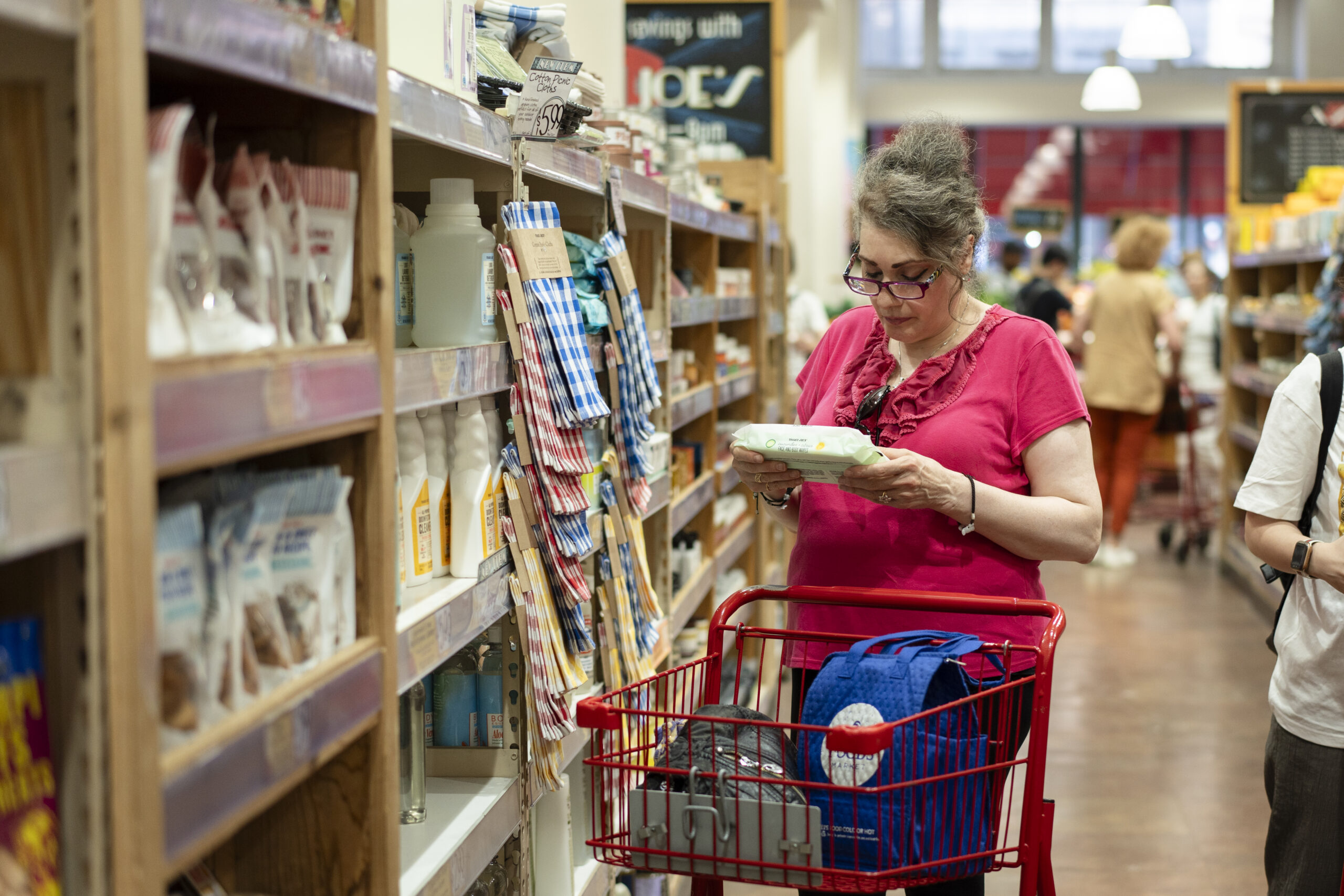
The prices of groceries continue to be a concern for American consumers, with a recent survey showing that 42% of respondents have reduced their shopping at their regular grocery stores. In addition to price hikes, long checkout queues, product shortages, and poor in-store service are also factors influencing consumers’ shopping choices.
A survey conducted in August this year by the retail industry employee training platform Axonify interviewed 1,251 grocery consumers from the United States and Canada. The report was released on October 8, and ConsumerAffairs published related results on October 13.
According to the survey, 92% of respondents believe that grocery prices have increased over the past year, with 67% stating that they are “very concerned” or “extremely concerned” about their grocery expenses.
The survey found that 88% of respondents typically shop at least two grocery stores each month. Among those who shop at multiple stores, 69% do so to find better prices.
Furthermore, 42% of respondents indicated that they have reduced their visits to their most frequented grocery stores. The report noted that while price hikes are the main reason consumers are turning to other stores, other factors such as a better shopping experience, shorter wait times, and product availability and variety also play a role.
The survey shows that consumers not only compare prices of goods but also consider the time needed for shopping and whether they can find all their necessary items in one place.
According to the research, 61% of respondents consider competitive prices as the most important factor for a good shopping experience. However, when analysts examined consumers’ overall evaluations of the shopping experience, the quality and freshness of products, store cleanliness, shopping environment, product selection, and frontline staff service attitude were more strongly associated with the overall rating.
Moreover, 58% of respondents stated that in situations where food prices are higher, an unpleasant in-store shopping experience would make them particularly frustrated; 42% said that compared to the past, they are now more likely to notice issues within the store.
The survey also revealed that there are differences in shopping preferences among different age groups. 57% of Generation Z respondents (those born between 1997 and 2012) indicated that they would prefer to pay higher prices if it meant having a significantly better shopping experience, a percentage higher than other generational groups.
For food retailers, the survey results indicate that simply reducing prices or offering discounts may not necessarily retain customers. The availability of goods, smooth checkout processes, and whether staff can provide timely assistance also impact consumer loyalty.