
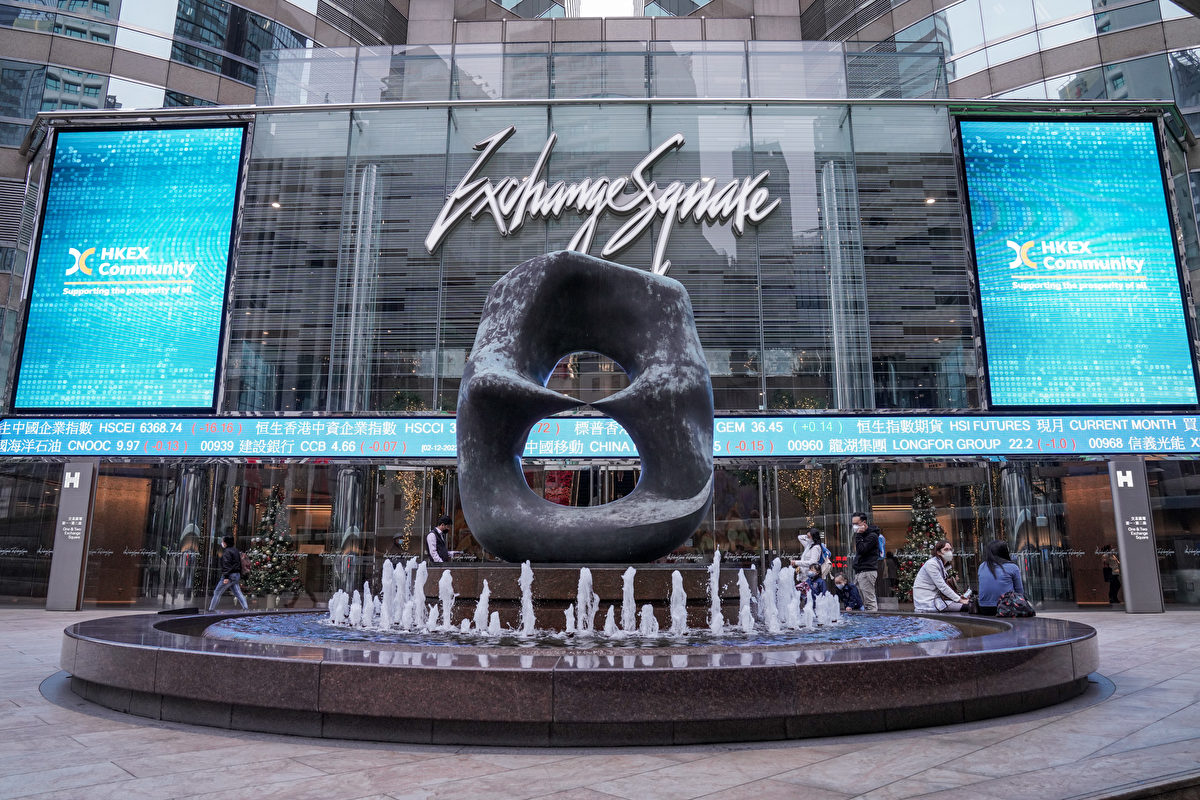
In recent years, mainland Chinese companies have been flocking to the Hong Kong Stock Exchange for listings to broaden their financing channels. However, according to information released by the Hong Kong Securities and Futures Commission, some mainland companies are engaging in fraudulent activities such as concealing information from investors and engaging in improper behaviors like aggressive subscriptions and private agreements.
The Securities and Futures Commission (SFC) of Hong Kong has intensified its scrutiny of initial public offerings (IPOs) and taken the most extensive enforcement actions in the history of Hong Kong, indicating concerns about certain irregular practices in the booming IPO market.
On October 13, the SFC suspended trading of Chinese company “Tea Way” in Hong Kong, suspecting that the company’s IPO may have been artificially manipulated with the intention of creating a false demand for its shares.
Industry analysts suggest that funds raised from some of Tea Way’s IPO may have been transferred to other companies based on undisclosed agreements between the listed company and those groups for financial product investments. Such agreements may facilitate the covert flow of IPO funds back to the main underwriters or their associates, creating a false impression of share demand that could mislead uninformed investors into making erroneous judgments.
Public data shows that Tea Way is a Chinese chain of freshly brewed tea beverage brands under Sichuan Baicha Baidao Industrial Co., Ltd, primarily engaged in the sales of tea beverage products and equipment. As of the end of June 2026, Tea Way had a total of 8,863 stores globally, with 8,791 stores in mainland China, representing a net increase of 170 stores compared to the previous year, and overseas stores increased to 72. The number of cooperating franchisees reached 6,038, up by 5.1% year-on-year.
The SFC also imposed asset disposals totaling HK$4.7 billion (US$599 million) on 31 brokerage firms to combat what they perceive as manipulation of IPOs. The SFC further warned banks against participating in arrangements that could artificially inflate demand for listings and outlined various “warning signs” during the stock issuance process.
The CEO of the SFC, Agnes Leung, stated in a release that although most market participants adhere to rules, intermediary institutions must remain vigilant to warning indicators associated with suspicious arrangements and raise questions about any unreasonable practices.
She added, “For the few bad actors attempting to disrupt the fair, orderly, and quality development of the market, the SFC will not hesitate to take action.”
Bloomberg believes that Hong Kong is currently experiencing an IPO fundraising frenzy this year, fueled by a series of Chinese mainland companies in the artificial intelligence supply chain going public, leading to a significant increase in fundraising amounts. With the increase in trading activities, regulatory agencies have issued multiple warnings regarding the quality of IPOs.
The report cited some irregular actions of listing applicants, such as large payments to investors or related parties, the provision of loans or investments, especially shortly before listing (after the last actual date specified in the prospectus). Investors appeared to be related to the listed applicants or their executives, and their commitments to subscribe for shares “appear to be for business cooperation, investment, or ongoing engagements.”
The report also highlighted another alarming scenario. Investors allocated shares only recently opened accounts with one or a few securities firms shortly before the listing. In some cases, share allocations may even violate predetermined marketing, targeting, or distribution strategies. Unusual subscription orders may occur, including significant subscription instructions appearing just before the end of the book-building process, especially if the subscription scale is significantly disproportionate to the investor’s financial condition.
Moreover, arrangements to conceal the identity of ultimate investors remain a key area of focus for the SFC. For example, obtaining shares of an IPO through derivative arrangements while the issuer or major shareholders guarantee a return. In some cases, multiple investors’ accounts may be controlled by the same entity.
According to reports, some listed companies have special arrangements involving concentrating shares in the hands of designated investors with undisclosed shareholding or trading arrangements with the company, such as maintaining market value or creating trading volume. Regulatory bodies also mentioned that listing applicants may transfer company funds to investors or related parties before and after listing.
Bloomberg’s report notes that those found in violation will face penalties, such as a maximum fine of HK$700,000 or imprisonment for up to three years for sponsors in cases involving false statements or significant omissions in the prospectus. Disseminating false or misleading information could lead to prosecution for market misconduct and fraud schemes, facing a maximum penalty of HK$10 million and 10 years’ imprisonment.