
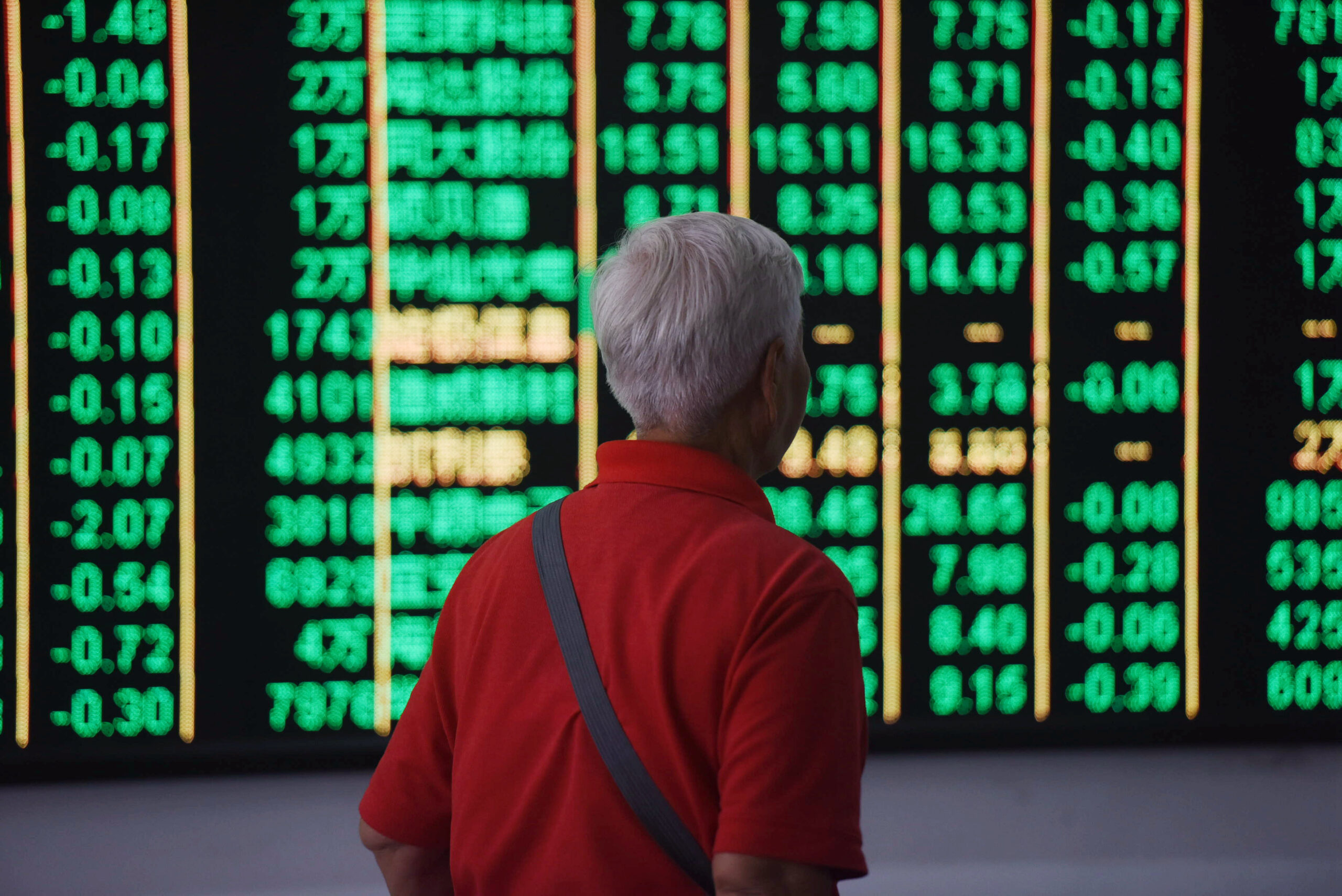
In the third quarter, the A-shares suffered a significant decline, and as the fourth quarter began, the downward trend continued without signs of stopping. The China Securities Regulatory Commission urgently convened a meeting of experts in capital markets and financial conditions to discuss countermeasures.
The tech-heavy ChiNext 50 index plummeted by 31%, dragging down the CSI 300 index by 12% in the third quarter. As we entered the fourth quarter, the stock market faced severe challenges.
On October 12th, A-shares saw a sharp decline on reduced trading volume. Stocks opened collectively lower in the morning session, attempted to rise under the leadership of financial and cyclical stocks after the initial drop, but faced bearish pressure, maintaining weak and fluctuating trading. The afternoon session gradually slid lower with a weaker performance on the market, ultimately closing sharply lower on reduced trading volume.
Closing data showed that all three major indices fell collectively, with the Shanghai Composite down by 0.43%, the Shenzhen Component Index down by 2.03%, and the Growth Enterprise Index down by 2.61%, with over 4300 individual stocks declining. Other indices also showed unsatisfactory performance, with the ChiNext 50 and the Norstar 50 down by 2.10% and 2.46% respectively. The CSI 500 fell by 2.18%, the CSI 1000 fell by 1.88%, and the CSI 2000 fell by 1.90%, with small-cap stocks generally declining. The Sci-Tech Innovation Index fell by 2.51%, and the selling pressure did not ease.
On October 9th, during the trading session, the Growth Enterprise Index briefly fell below the 3000-point mark, and the ChiNext 50 index declined by over 4%, breaching the 1400-point level. Subsequently, with a push from a large volume of buying orders, the two indices narrowed their declines and closed slightly higher.
Regarding the reasons for the stock market’s decline, investors have been discussing various factors online. These include the sharp drop in tech stocks dragging down other sectors, disruptions caused by financial stocks, low trading volume on the Shanghai and Shenzhen markets unable to withstand selling pressure, overall market sentiment being downcast, confidence severely eroded once again, and official meetings failing to boost market sentiment.
Amid the significant sell-off of tech stocks and the gloomy market sentiment, on October 10th, Wu Qing, Chairman of the China Securities Regulatory Commission, held discussions in Beijing with some executives of listed companies and experts from securities and fund institutions regarding the current capital market and financial conditions. This was not the first time such a forum was convened this year. In July, following a sharp market decline, Wu Qing also chaired a similar meeting.
Reportedly, the attending experts put forth multiple suggestions involving market stability mechanisms, channels for mid-to-long-term funds entering the market, and the cultivation of “patient capital” willing to engage in long-term investments. Experts also urged eligible listed companies to increase dividends and share repurchases, enhance investor protection, optimize listing rules, strengthen transaction oversight, and improve cross-border risk monitoring capabilities.
Investment banks, including China Construction Bank International and Zheshang Securities, issued warnings that the mainland and Hong Kong stock markets would face severe challenges in the fourth quarter. Analysts anticipate that due to expectations of rising U.S. interest rates, global liquidity tightening, and the shift in market sentiment towards AI-related stocks, the stock market will likely continue to experience range-bound volatility.