
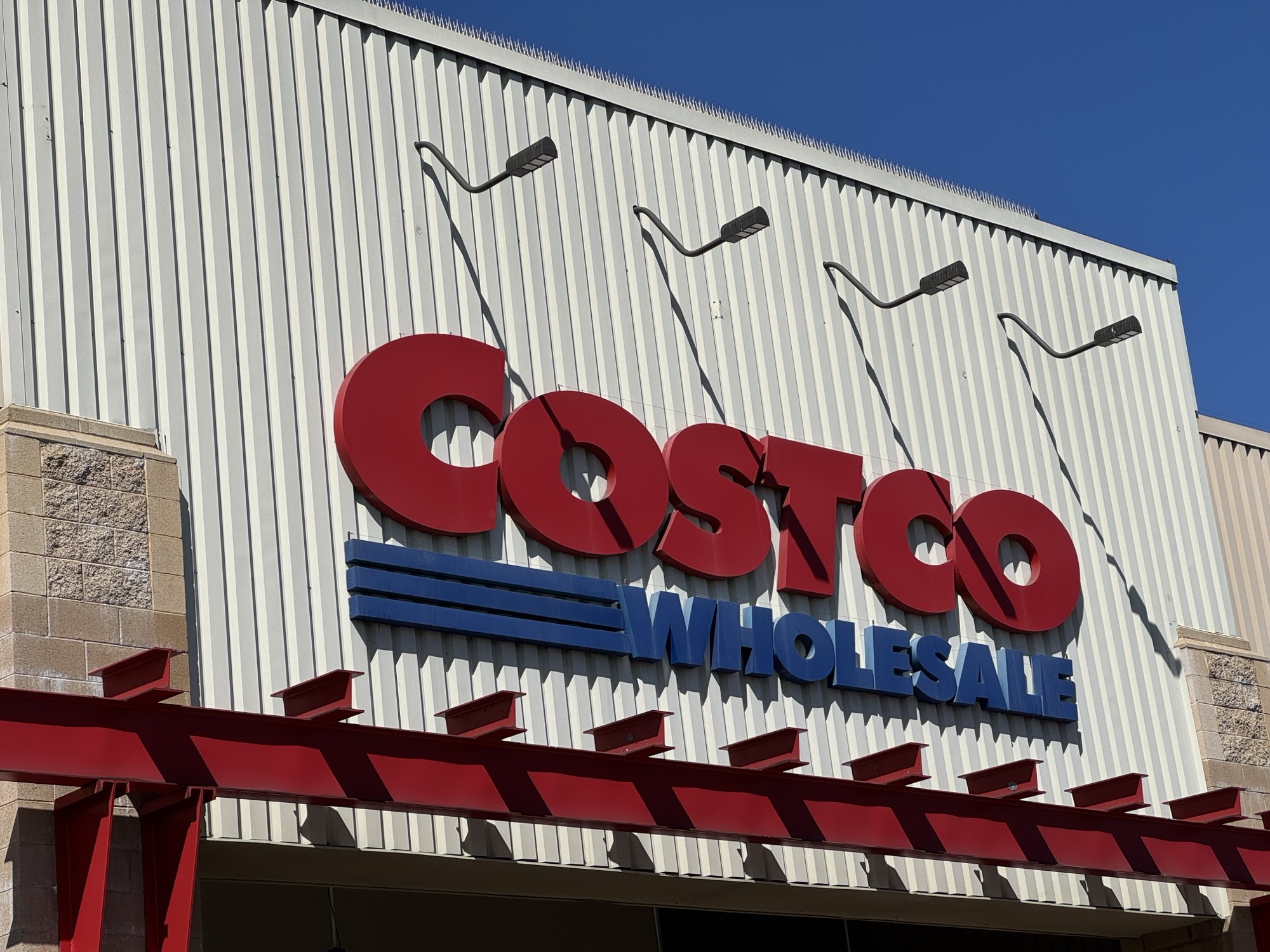
As the Iran war continues to impact the global energy supply chain, the United States oil market is facing a serious shortage. Retailers and repair chain stores like Costco have begun to implement purchase limits and significantly increase prices.
According to a report cited by the Financial Times on Sunday (September 20) from Argus Media, the price of Group III base oil in the United States reached a record high of $12.45 per gallon on September 18, nearly doubling from the level in February.
Costco’s official website shows that the price of a 10-quart pack of full synthetic motor oil has increased from around $30 last year to $57.99, with a purchase limit of one bottle per customer.
Walmart also revealed this week that their inventory of several brands of motor oil is running low, and they are working with suppliers to maintain the supply.
Valvoline, a chain of oil change businesses in the U.S., announced that while their nearly 2500 stores across the country are not experiencing shortages, the cost of lubricants has risen by 60% since March, leading to a price increase of $5 to $7 for oil change services.
The CEO of the company, Lori Flees, stated at a retail industry conference hosted by Goldman Sachs this week that oil prices are expected to continue to rise. She also noted that it will take about 4 to 6 months for the supply to return to normal after the complete reopening of the Strait of Hormuz.
Mauricio Quezada, CEO of Jiffy Lube, another chain business, mentioned that while localized shortages may occur in the future, their nearly 2100 stores currently have inventory available.
The owner of an independent repair shop in New Jersey revealed that when purchasing in bulk, the availability of full synthetic motor oil is “hit or miss,” with specific difficulties in finding Dexos specification oil needed for certain General Motors vehicles.
The shortage of supply is reported to be linked to a retaliatory action by Iran in March of this year, which damaged a gas-to-liquids plant owned by Shell in Qatar, one of the major producers of Group III base oil globally.
Holly Alfano, CEO of the Independent Lubricant Manufacturers Association, stated that it will take at least a year for the world’s largest Group III base oil production facility to resume operations.
Additionally, the ongoing U.S.-Iran military standoff in the Strait of Hormuz continues to hinder the transit of crude oil tankers from the Gulf region to key base oil production centers in countries like South Korea.
While the trade volume of motor oil is not large, with global lubricant base oil exports typically around 350,000 barrels per day, the tightening supply is directly impacting consumers’ wallets due to the widespread use of full synthetic motor oil in many new cars.
Patrick De Haan, an oil analyst at the largest gas price comparison and savings platform in North America, Gas Buddy, reassured car owners that there is no need to overly worry at the moment. Retailers are working diligently to prevent supply chain disruptions and avoid panic buying by consumers.
Experts also recommend that individuals consult their vehicle’s manual, as some car models have oil change intervals that can extend up to 10,000 miles.