
On Saturday, September 19th, Houthi rebels in Yemen claimed to have launched missile and drone attacks on “sensitive sites” in the Saudi capital Riyadh and the Red Sea Yanbu Aramco oil facilities in response to recent strikes on the Yemeni capital. Iran has denied involvement in the Saudi-Houthi conflict, while Turkey has expressed willingness to provide military assistance to Saudi Arabia in accordance with treaties.
According to reports from Reuters, the Saudi Civil Defense Department issued warnings to residents via phone, alerting them to possible air raids in Riyadh and Al-Kharj to the east, with the warnings not being lifted until Saturday morning. This marked the first alert issued in the Riyadh area since July and the first attack on Riyadh by the Houthi rebels in months.
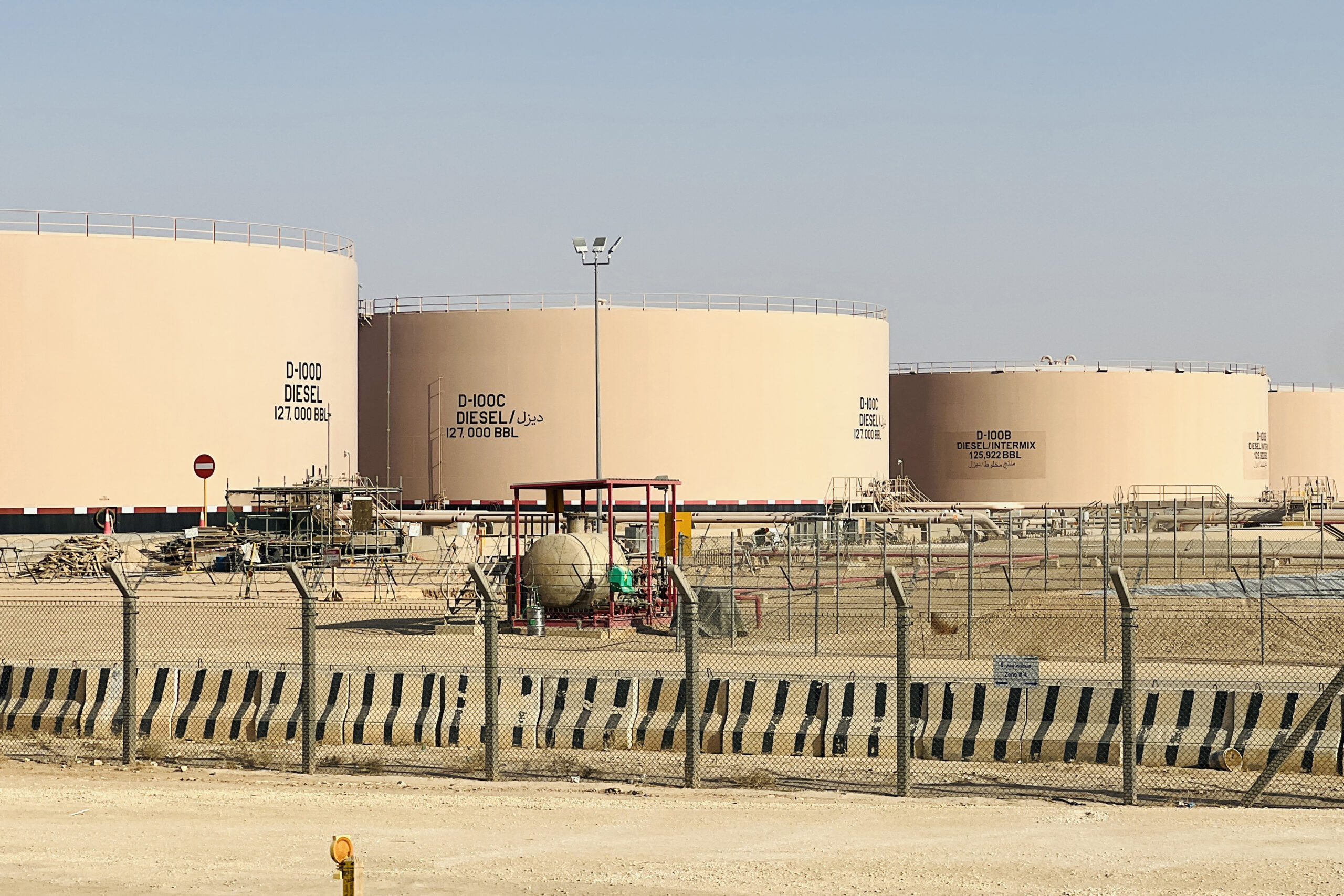
Footage and images from the scene showed a massive black smoke rising behind the main terminal building of King Khalid International Airport in Riyadh, with flames seen seemingly emanating from fuel storage tanks.
During this operation, while the Houthi rebels did not specify which facilities in Riyadh were targeted, they claimed to have simultaneously struck Saudi Aramco facilities in the Red Sea city of Yanbu.
Yanbu serves as a crucial hub for Saudi oil exports, connecting to the East-West pipeline. Previously, this pipeline had been attacked and temporarily shut down, making it an important alternative route to the Strait of Hormuz.
The Houthi rebels stated that the operation was in response to airstrikes on the Yemeni capital Sanaa, although they did not provide specific details on this.
Following the attack, Colonel Turki al-Malki, the spokesperson for the Saudi-led coalition against the Houthi rebels, announced that the military’s air defense system had destroyed a missile launched by the rebels towards Riyadh in the early morning hours.
The statement emphasized that the military had thwarted attacks on the southwestern Saudi cities of Bish and Farasan, the western city of Taif, and civilians in the port city of Yanbu on the Red Sea. However, the statement did not specify the extent of the damages incurred.
Since the Houthi rebels declared a maritime blockade against Saudi Arabia in July, they have frequently targeted Saudi cities, energy infrastructure, Red Sea maritime shipping, and the East-West oil pipeline, severely disrupting this alternative shipping route and further driving up global oil prices, which have now exceeded $100 per barrel.
In light of the escalated situation, Turkish Foreign Minister Hakan Fidan stated on Saturday that due to the ongoing attacks by the Houthi rebels, Saudi Arabia may require military assistance, and Turkey stands ready to provide aid based on a trilateral defense agreement signed in August with Pakistan and Saudi Arabia.
The agreement stipulates that an armed attack against one of the three countries will be considered an attack against all member states. While the specifics of the assistance Turkey may offer Saudi Arabia are unclear, Fidan mentioned in an interview with television broadcaster NTV that Saudi Arabia’s needs could include “some technical issues.”
Pakistan has indicated that discussions on the specific military response under the agreement have not yet taken place.
Iran’s Supreme National Security Council Secretary Mohsen Rezaei stated in an interview with Al Jazeera that he hopes for a “reconciliation” and an “end to the war” between Saudi Arabia and the Houthi rebels. He denied direct involvement in the conflict between the rebels and Saudi Arabia, while discussing conditions for the US, including ending front-line wars, unfreezing assets, and lifting the maritime blockade.
On the same day, the US State Department issued a security alert for American citizens in the Middle East urging them to “remain vigilant,” while advising Americans outside the region to carefully consider whether to travel there.
The United Nations Security Council released a statement on Friday, condemning the continuous attacks by the Houthi rebels on Saudi civilian and energy infrastructure, noting that the attacks have resulted in injuries to women and children, and condemning the escalating military actions by the rebels in Yemen.