
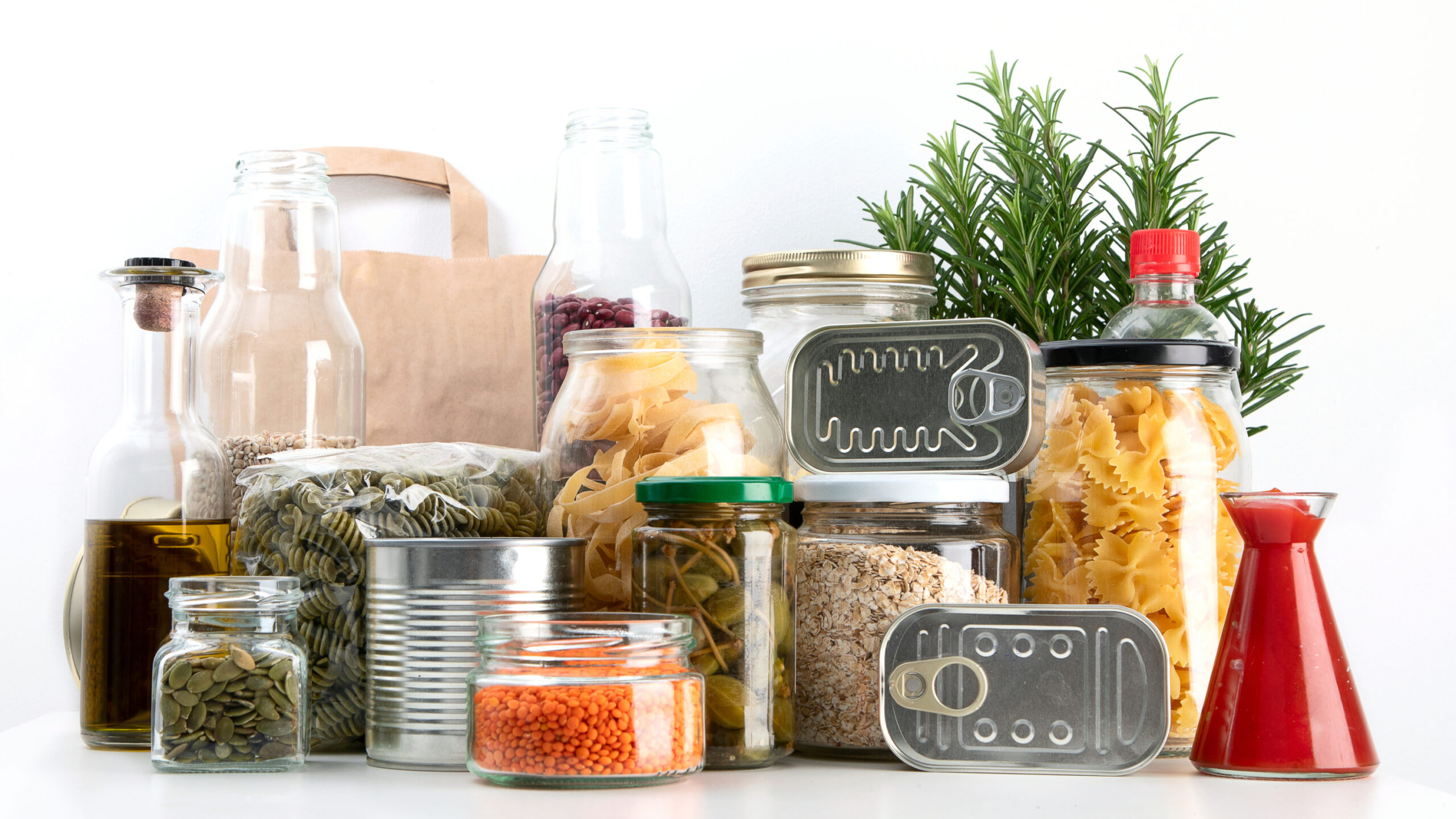
Most families tend to stock up on non-perishable food items for emergencies. However, as time passes, people often forget what goods they have stored at home, leading to expired food items. Food safety experts warn that there are five major categories of food suitable for stocking up, and once expired, they can pose serious health risks that should not be consumed under any circumstances.
While reducing food waste is important, protecting your family from the threat of foodborne illnesses should always be a top priority. The cost of replacing expired food items is far lower than the risk of falling ill due to consuming improperly stored or expired foods.
Dry goods, canned vegetables, flour, and spices are commonly stocked food items that can usually be stored on shelves for several months without much concern. However, food safety experts point out that the expiration date on packaging is just one criterion to consider; the condition of the food item itself, storage methods, and whether the packaging is intact are all important indicators of whether the food item can still be safely consumed.
In a recent article published by lifestyle and home guide website Martha Stewart, food safety experts were invited to analyze which expired staple foods require particular caution and the definitive signs of spoilage that should not be overlooked.
Infant formula should never be consumed past the printed expiration date.
“If there is one staple food item I absolutely do not recommend consuming after expiration, it’s infant formula,” said food scientist and Chikkyfoodsafe founder Chika Ada Okegbe. “Because infants are especially vulnerable, taking this risk simply isn’t worth it.”
No matter how recently purchased, canned food items with damaged packaging should never be consumed.
“Most staple food items do not have a strict ‘expiration date’,” Okegbe explained. “The date printed on them is usually a ‘best-before date,’ indicating quality rather than safety.”
Therefore, paying close attention to the condition of the cans themselves is crucial. “Do not overlook any damage to the packaging, especially at the seals,” said Dr. Cathy Davies, founder of Food Safety Mid Atlantic. “If a can is bulging, it’s a major warning sign that bacteria have grown inside.”
Okegbe recommends immediately discarding any cans that are bloated, leaking, severely rusted, or dented. “Such damage could compromise the seal, allowing conditions for the growth of botulism-causing bacteria and toxin production,” she explained. “This toxin can cause botulism – a rare but potentially life-threatening illness that can lead to paralysis and, in severe cases, death.”
“Flour that is not heat-treated may contain pathogenic bacteria,” added Dr. Davies.
Like many dry goods, the quality of flour deteriorates over time but the issue of moisture is even more concerning. Moisture can easily lead to mold growth, odors, or insect infestations.
It’s best to promptly discard flour that has passed its best-before date.
Cooking oil is a natural fat that will eventually become rancid.
“If stored for too long, especially in high-temperature environments, fats in oil may become rancid,” noted Dr. Davies.
Rancid oil typically emits a sharp or stale odor, affecting the taste of food. While rancidity usually does not pose food safety issues like bacterial contamination, it significantly reduces the quality of the product and should thus be discarded promptly.
For these food items, being old does not necessarily mean they are unsafe, but it may indicate a decrease in flavor.
“After the best-before date, the main issue is a decline in quality rather than a safety risk,” Okegbe emphasized.
Dr. Davies pointed out that as dry beans age, they may require longer cooking times to soften, while herbs and spices will gradually lose aroma and flavor. It’s best to discard them to avoid bland-tasting dishes or complicated cooking processes.
Regardless of the date printed on the packaging, if certain warning signs appear, the food should be immediately discarded.
“There are several warning signs that must not be ignored,” said Okegbe.
She recommended watching out for the following indicators:
– Mold
– Moisture inside the packaging
– Signs of pests
– Abnormal clumping
– Discoloration
– Odors
– Damaged packaging
“The condition of the food and its packaging is crucial,” Okegbe said. “If the packaging is damaged or if the food looks, smells, or feels off, it’s best not to risk consuming it.”
If in doubt, she suggested asking yourself a few questions before using a certain ingredient:
– Has it been stored in a cool, dry place?
– Is the packaging still sealed properly?
– Does it look, smell, and feel normal?
Dr. Davies also agreed with this perspective. “If something smells or feels off, trust your nose!”