
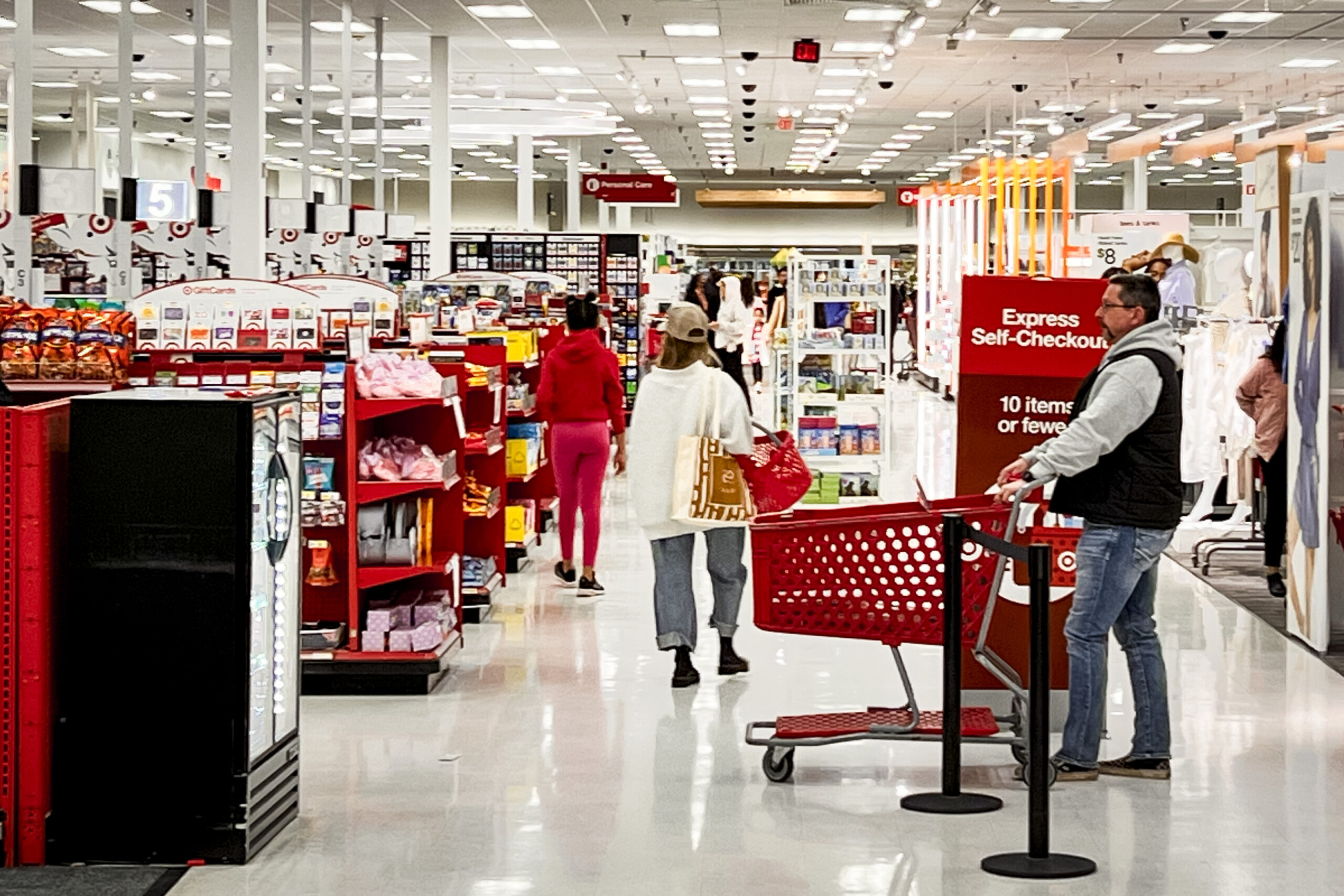
In the United States, retail sales in July saw their first decline in nine months, indicating that the boost to the retail sector from substantial tax refunds is waning, and consumer spending at the start of the third quarter has noticeably slowed down.
Data released by the Census Bureau of the U.S. Department of Commerce on Friday, August 14, showed that retail sales in July, not adjusted for inflation, fell by 0.6% compared to the previous month. This marked the first drop since October last year and the largest decline in 14 months. Economists surveyed by Reuters had previously predicted a slight increase of 0.1% in July retail sales (primarily goods sales and not adjusted for inflation).
Comparing to the same period last year, retail sales in July increased by 5.0%.
Economists pointed out that consumers are becoming increasingly sensitive to price hikes, leading them to be more selective and purposeful in their shopping habits.
Among the 13 categories covered in the Commerce Department report, 5 categories saw declines in sales. Online retailers and non-store retailers experienced a sales decrease of 2.2%, making it a primary factor contributing to the overall sales decline last month.
Sales at auto dealers and parts retailers dropped by 1.8%. Sales at electronics and appliance stores decreased by 0.5%; gas station sales fell by 0.9%, reflecting the impact of declining gasoline prices.
However, likely boosted by back-to-school shopping, sales at clothing stores grew by 1.9%.
Sales at restaurants and bars increased by 0.5%. This category, as the only service industry category in the Commerce Department report, is often seen as a key indicator of American household financial health.
Sales also grew at furniture stores, building material stores, garden equipment and supplies stores, miscellaneous retailers, and health and personal care stores.
Some analysts attributed the strong performance of retail sales in the first half of 2026 to American taxpayers receiving more tax refunds than in previous years. However, the unexpected drop in retail sales in July may be related to retail giant Amazon moving its annual “Prime Day” promotional event from July to June, and other retailers also launching competitive promotional activities at the same time.
Stephen Brown, Chief Economist for North America at the UK economic research firm Capital Economics, stated in a report that while Friday’s data might paint a slightly less positive picture of consumer conditions, “the lower-than-expected July sales were mainly due to a significant drop in non-store sales, which likely reflects the impact of Amazon adjusting the timing of Prime Day this year, rather than a fundamental slowdown in consumer spending.”
(This article referenced reporting by Bloomberg.)