
Japan’s tourism industry is well-developed, attracting a significant number of visitors each year to the country. If you have the opportunity to travel to Japan, a local writer has some advice to help you avoid common mistakes made by tourists. After all, customs and traditions vary between countries, and it’s essential to adapt to local norms to avoid misunderstandings or unintended disrespect.
Jessica Kozuka, a writer and editor who has lived in Japan for over 20 years, is well-versed in Japanese culture and common mistakes made by foreign tourists. In an article for the American magazine “Travel + Leisure,” she highlights some of the most common errors tourists make and provides tips for readers to avoid them. Here are eight of her recommendations:
1. In some countries like the United States, tipping is customary, but it is not part of Japanese culture. Kozuka urges American tourists to leave the tipping custom at home and not bring it to Japan. In Japan, tipping is not required for any service, and doing so may lead to confusion.
She recalls witnessing waiters chasing customers onto the streets just to return the tips left on the table. If you feel the service was exceptional, you can express gratitude by offering a small gift like chocolates, which is generally well-received. However, she emphasizes that it is not obligatory, and a sincere thank you is equally appreciated.
2. While some businesses in Japan accept electronic payments, many still only accept cash, especially small shops. Therefore, it’s advisable to carry some cash with you to avoid the embarrassment of not being able to pay the bill. Kozuka mentions instances where tourists realized they had no cash to settle their bills after dining out and had to scramble to find an ATM.
3. In Japan, it is uncommon for people to raise their voices in public places, especially during phone conversations on public transport or in restaurants, as it is considered impolite. While louder conversations may be acceptable in bars, amusement parks, or festival settings, it is essential for visitors to be mindful of their surroundings and adjust their volume accordingly.
4. Like many East Asian cultures, Japanese people use chopsticks for eating and have specific etiquette associated with their use. When not actively eating, it is customary to place chopsticks on a designated rest or chopstick holder. Avoid sticking chopsticks vertically into a bowl of rice, as it resembles a funeral ritual. Additionally, do not point with chopsticks or use chopsticks that have been in your mouth to pick food from communal dishes.
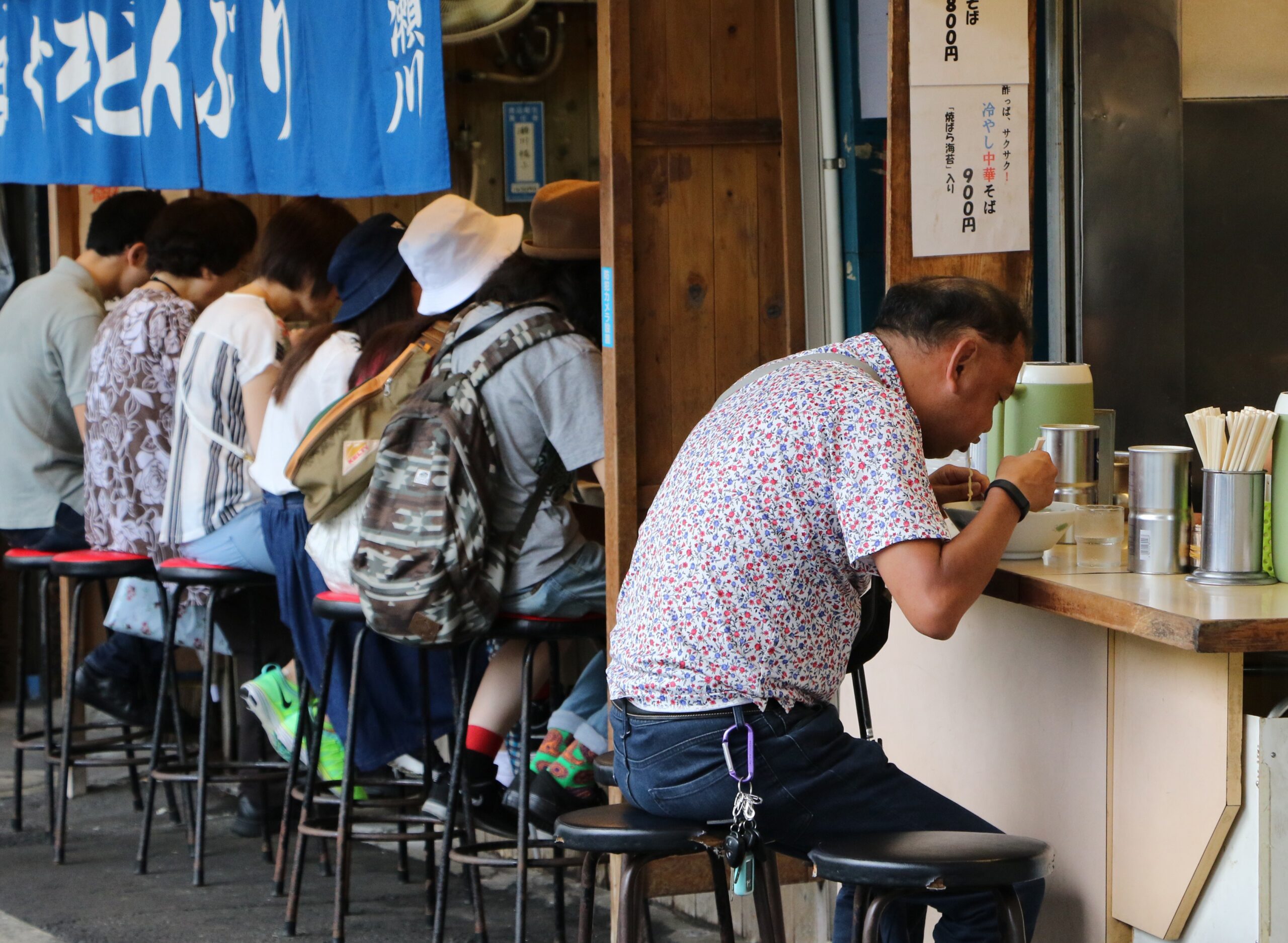
5. Kozuka also provides etiquette tips for dining out, such as slurping noodles like ramen being acceptable and using hands to eat high-grade sushi. After using a moist towel, it should be neatly folded. Avoid arriving late for reservations, wasting food, or wearing strong-smelling perfumes, especially when dining at fine establishments that appreciate the delicate flavors of the cuisine.
6. When traveling during peak hours with large luggage, blocking the doors on public transport may lead to disapproval from others. Therefore, it is recommended to send oversized luggage ahead and carry only a lightweight backpack for convenience. Even during non-peak hours, avoid blocking doors or ticket gates and stand to the side while wearing your backpack in the front to prevent bumping into other passengers.
7. When taking a taxi, simply press a button to open the door, as the driver will manage this for you. After paying the fare, the door will automatically open for you to exit. Taxi drivers typically assist in loading luggage into the trunk as part of their service.
8. Visitors must show respect for shrines and temples in Japan, as these spaces are considered sacred. It is essential to remove hats and sunglasses, maintain silence, and refrain from taking photos of ongoing ceremonies without explicit permission. Avoid performing physical exercises on the torii gates and position yourself to take photos below the gate’s arch with respect.
When visiting hot springs or public baths in Japan, it is customary to shower before soaking to cleanse the body of sweat and dirt since the water is meant for soaking only. Proper etiquette includes using a small bucket provided at smaller facilities without a shower area and being mindful not to splash others while rinsing. It is considered impolite to let the towel touch the bathwater, so many people fold it on their heads. Wading noisily or splashing water in the bath may disrupt others, so maintaining a peaceful demeanor and speaking softly is encouraged.
Jessica Kozuka’s insights provide valuable guidance for tourists visiting Japan to ensure a more pleasant and respectful travel experience.