
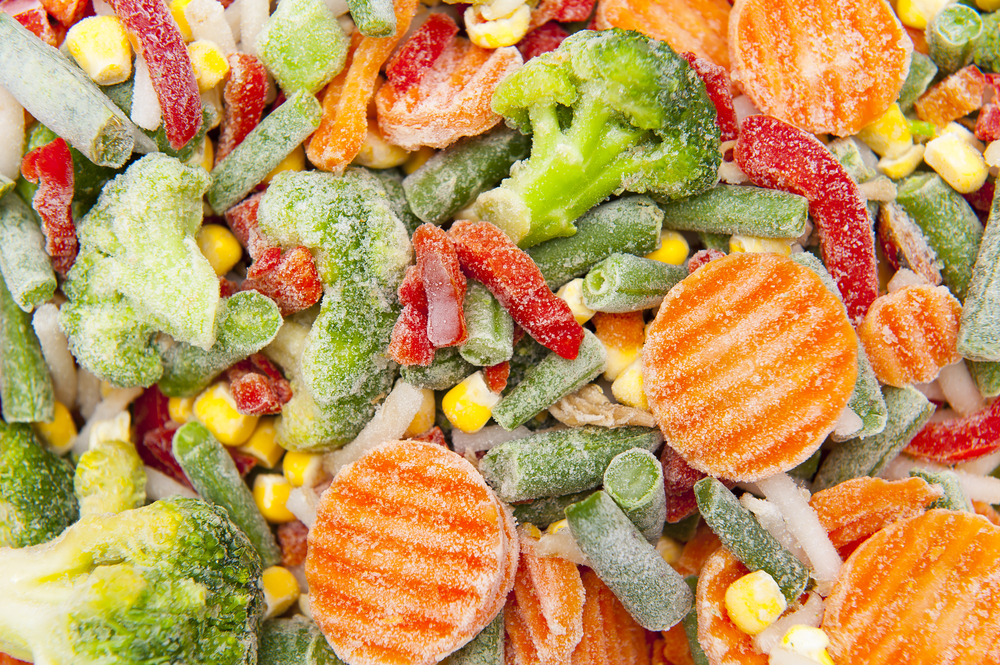
Frozen mixed vegetables are very convenient to use because they are usually already cleaned and cut into the right size for cooking, ready to eat once cooked. While many people often choose to boil them, this method not only loses flavor but also causes a loss of key nutrients. To address this, a chef has introduced a better cooking method that, when paired with simple seasonings, can elevate the taste.
According to a report by “Food Republic,” professionally trained chef Dennis Littley stated that frozen vegetables do not mean they lack flavor. By using the appropriate cooking methods, seasonings, and creativity, these vegetables can easily present themselves at a level comparable to upscale restaurant dishes.
To fully maximize the potential advantages of frozen vegetables, the first step is to avoid overcooking. Many people tend to over-steam frozen vegetables at home, resulting in a mushy texture and bland taste.
In contrast to common belief, he suggests using high-temperature baking or stir-frying to cook frozen vegetables. This not only enhances flavor and texture but also helps retain the vegetables’ moisture and nutrients, with a much shorter cooking time compared to methods like boiling.
He stated, “High-temperature baking or stir-frying can bring about a qualitative change in frozen vegetables, not only creating caramelized edges but also intensifying the flavor.”
Before baking, he recommended mixing in some olive oil, butter, or a blend of both, as the effect will be drastically different. Just like handling fresh vegetables, this crucial step should not be skipped.
In addition to mastering the correct cooking methods, seasoning is key to making frozen vegetables delicious. Littley mentioned that smoked paprika, garlic powder, black pepper, thyme, or rosemary perfectly complement frozen vegetables.
When cooking frozen vegetables, he advised gradually adding seasonings to achieve the best flavor. Similar to cooking with other ingredients, tasting as you go and adjusting seasonings as needed is essential. Unlike dumping all seasonings at once, this gradual addition method allows flavors to layer and blend, creating depth.
Furthermore, to enhance the flavor of frozen vegetables, a slight tanginess is essential. Adding a little lemon juice or vinegar towards the end of cooking brightens the overall flavor and balances the vegetables’ natural sweetness.
For vinegar choice, white vinegar or balsamic vinegar seems most suitable. However, the key is the flavor-enhancing effect, so using whatever vinegar you have available works fine and can significantly enhance the dish.
It’s worth noting that frozen vegetables are often cheaper than fresh ones, but their nutritional value may not be lower. A study from 2017 revealed that there is no difference in vitamin content between fresh and frozen vegetables, and sometimes the nutritional content of frozen vegetables may even be higher than fresh ones.
As for why the nutritional content of frozen vegetables may be higher, Evangeline Mantzioris, Director of Nutrition and Food Science at the University of South Australia, explained that this is because they are frozen shortly after harvest. In contrast, the nutritional content of fresh produce may decline during the transportation process.