
On the afternoon of August 13th, a United Airlines flight experienced a tire burst while accelerating for takeoff at Chicago O’Hare International Airport. The pilot immediately aborted the takeoff procedure.
According to the Federal Aviation Administration (FAA) and the airline, the flight was United Airlines flight 455, scheduled to fly from Chicago to Phoenix Sky Harbor International Airport, with a Boeing 737-900 aircraft. There were a total of 161 passengers and 6 crew members on board, and fortunately, no one was injured in the incident.
The FAA stated that the aircraft came to a safe stop on the runway after the “safe abort takeoff” and passengers disembarked using mobile stairs on the runway, before being transported back to the terminal building by bus. United Airlines subsequently arranged for another aircraft to transport the passengers, with some reports indicating they arrived in Phoenix later that evening.
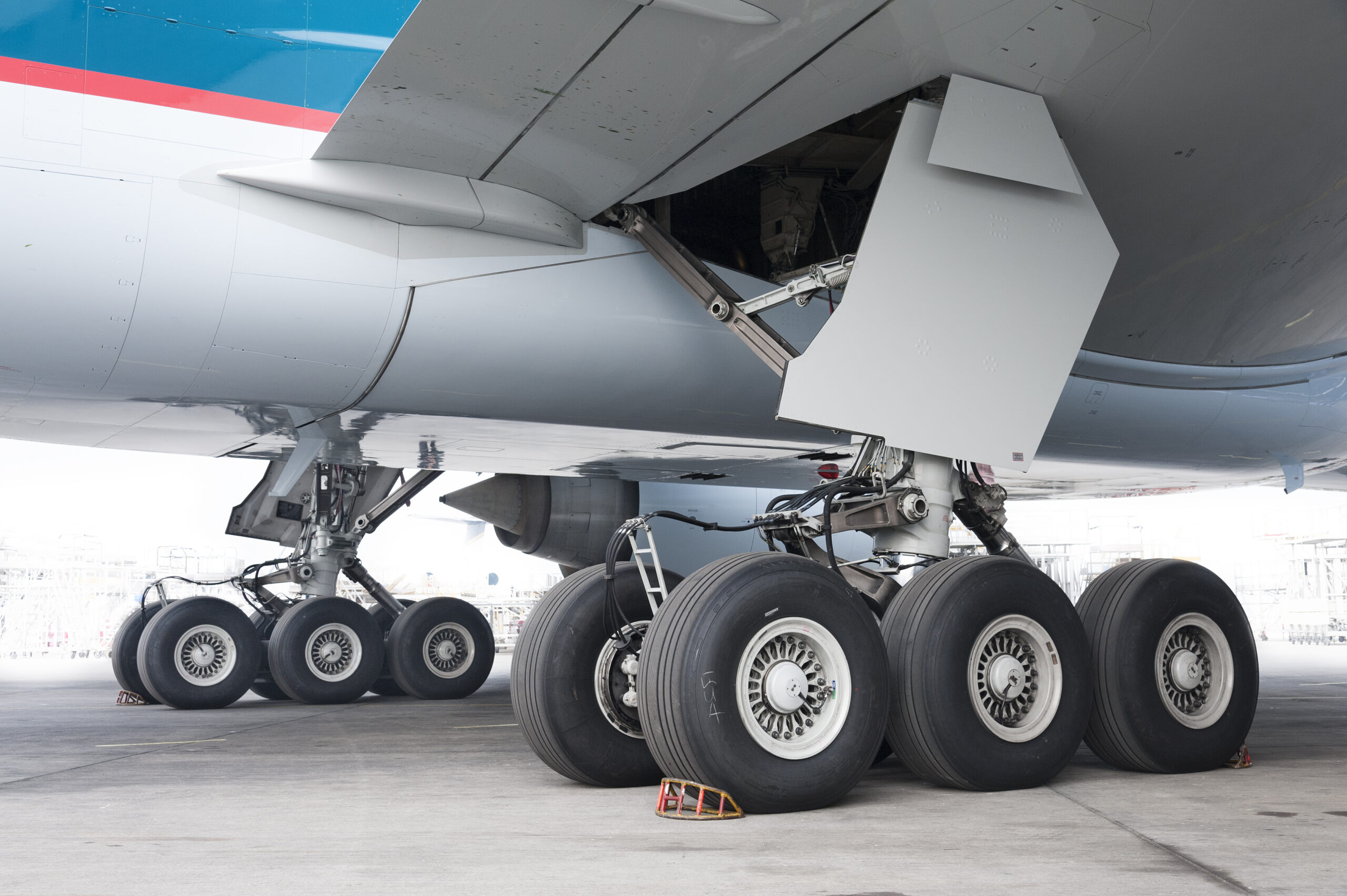
Audio recordings from the Air Traffic Control (ATC) revealed that pilots of another nearby aircraft witnessed the incident and reported, “We saw a lot of tire debris scattered on the runway.” Rescue personnel reported that the right main landing gear of the aircraft had two tires burst. The pilots confirmed to emergency responders that all passengers on board were safe and unharmed.
In a statement, United Airlines mentioned, “United Airlines flight 455 aborted takeoff due to tire damage during the takeoff roll. After passengers disembarked via stairs, they were transported back to the terminal building by bus. We are arranging for another aircraft to transport passengers to Phoenix later the same day.”
The FAA is currently investigating the cause of the incident.
While tire bursts during the takeoff phase are rare, they pose higher risks due to the aircraft being in a high-speed state. The most severe related incident in history was the crash of Air France flight 4590 (Concorde supersonic aircraft) on July 25, 2000.
During takeoff at Paris Charles de Gaulle Airport, a tire ran over a metal part that had fallen off another plane onto the runway, causing the tire to be punctured and burst, the debris hitting the fuel tank below the wing, leading to a significant fuel leak, which resulted in a fire causing engine failure, making it impossible for the aircraft to climb, ultimately resulting in a fatal crash with all 100 passengers and 9 crew members on board perishing.
In the case of the United Airlines incident, the aircraft successfully aborted takeoff with no injuries and no major flight disruptions. While the circumstances of the two incidents are vastly different, they underscore the importance of foreign object management on runways and tire structural safety.