
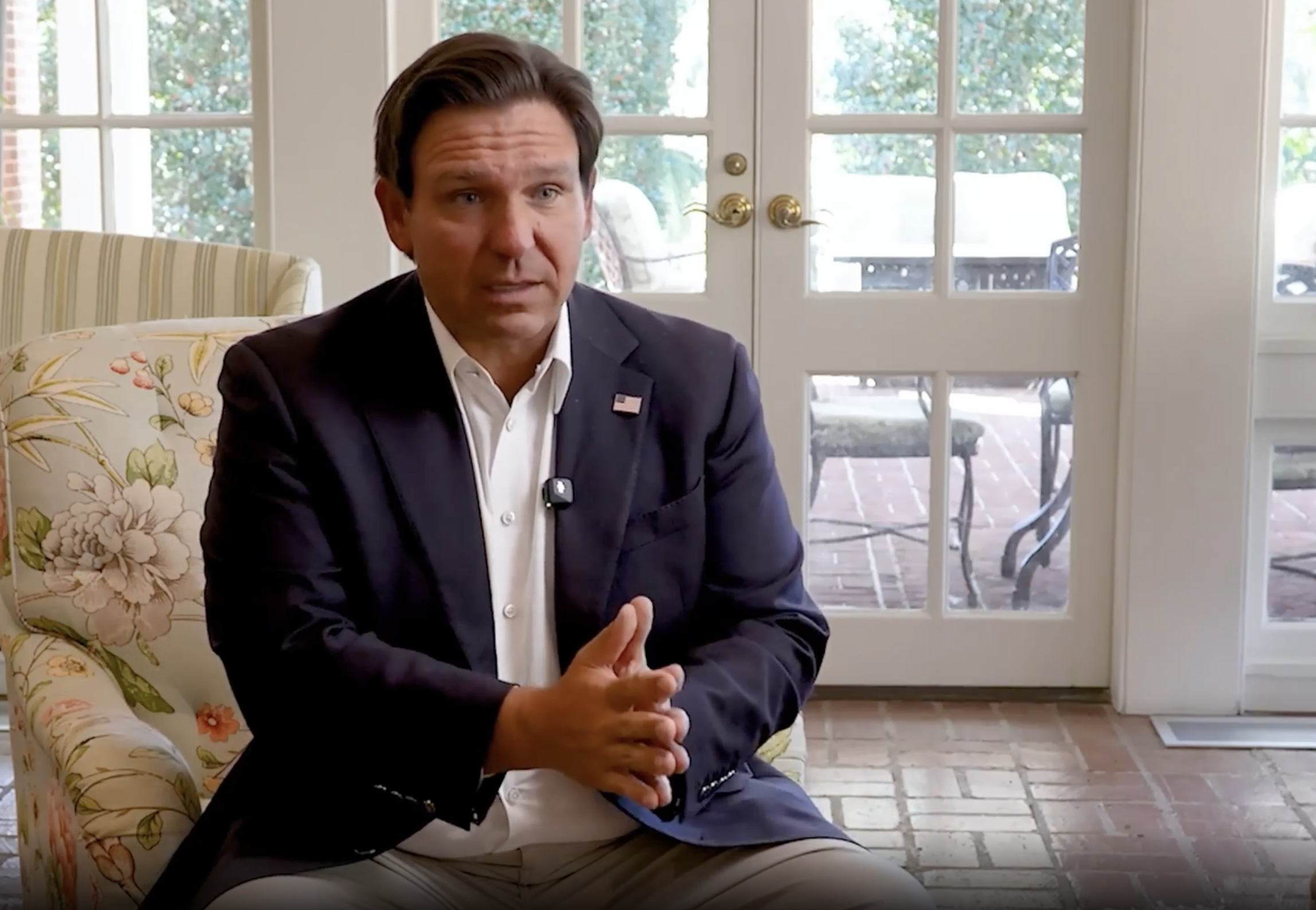
Florida state government officials recently announced that their comprehensive efforts to combat Medicaid fraud have helped reduce nearly $1 billion in estimated annual expenditures in the behavioral therapy services sector alone.
Governor Ron DeSantis stated in a press release on Tuesday, “This year, we implemented the most significant ‘Medicaid Integrity Initiative’ in the state’s history, and today, I am proud to announce some of the successes of this program.”
According to the Governor’s office, the annual Medicaid expenditure expected for applied behavior analysis (ABA) therapy for children with autism, which was previously at $3.86 billion, is projected to decrease to $2.88 billion by the 2026-2027 fiscal year.
Florida officials attribute the reduction of nearly $980 million in expenditures to a series of measures targeting fraud, medical management, and resource utilization.
In the past year, over 220 Medicaid service providers in Florida had their qualifications terminated due to fraud, waste, or abuse, with an additional 260 facing payment restrictions or suspensions.
Florida also referred over 150 suspected fraud cases to the state attorney general’s office.
The DeSantis administration stated that the crackdown aims to prevent suspicious Medicaid applications upfront, avoiding the need to reclaim improper payments after the fact.
The Florida Agency for Health Care Administration (AHCA) informed Fox News that upon expanding their monitoring efforts, they discovered some healthcare providers were invoicing Medicaid for services every weekend and holiday for months, with over 220 providers reporting service hours exceeding 24 hours in a single day.
AHCA Director Shevaun Harris remarked in a statement, “Protecting the Medicaid program means protecting the population it serves.”
She emphasized, “For children, pregnant women, individuals with disabilities, and the elderly, this means ensuring they receive quality healthcare services while safeguarding taxpayer funds from fraud or abuse. AHCA will continue to take decisive actions, enhance program integrity, hold wrongdoers accountable, and ensure Florida residents receive these critical services.”
Currently, Florida is collaborating with identity verification company SentiLink on a pilot project to screen Medicaid service providers for stolen identities, forged identity information, and hidden ownership structures. Additionally, the state has suspended the registrations of certain high-risk providers.
AHCA informed Fox News that since January 2026, they have made over 1,000 decisions regarding the registration or re-registration of Medicaid service providers to prevent suspicious entities from entering or remaining in the program.
Since January, the agency has conducted 400 on-site inspections of service providers, particularly in high-risk categories such as applied behavior analysis, medical equipment, and adult day care.
Harris lamented, “Medicaid fraud is a nationwide issue and is becoming increasingly complex.”
She said, “Florida is not waiting for others to tell us what to do; we are establishing a model: eradicating fraud from the source, verifying every healthcare provider, and tracking data.”
She added, “We look forward to partnering with the Centers for Medicare & Medicaid Services (CMS) and other states to combat fraudulent healthcare providers, preventing fraud from spreading to other states.”
Florida’s series of anti-fraud actions come as the federal government intensifies scrutiny of Medicaid fraud, aligning with strategies advocated by Health and Human Services (HHS) Secretary Robert F. Kennedy Jr., rejecting the traditional “pay and chase” model.
Medicaid funding is shared between the federal government and state governments, with the federal contribution percentage based on each state’s per capita income. Economically weaker states may receive a higher federal matching rate, up to 83%, while wealthier states have lower percentages, but federal funding is mandated to be at least 50%.
(This article referenced reporting from FOX NEWS)