
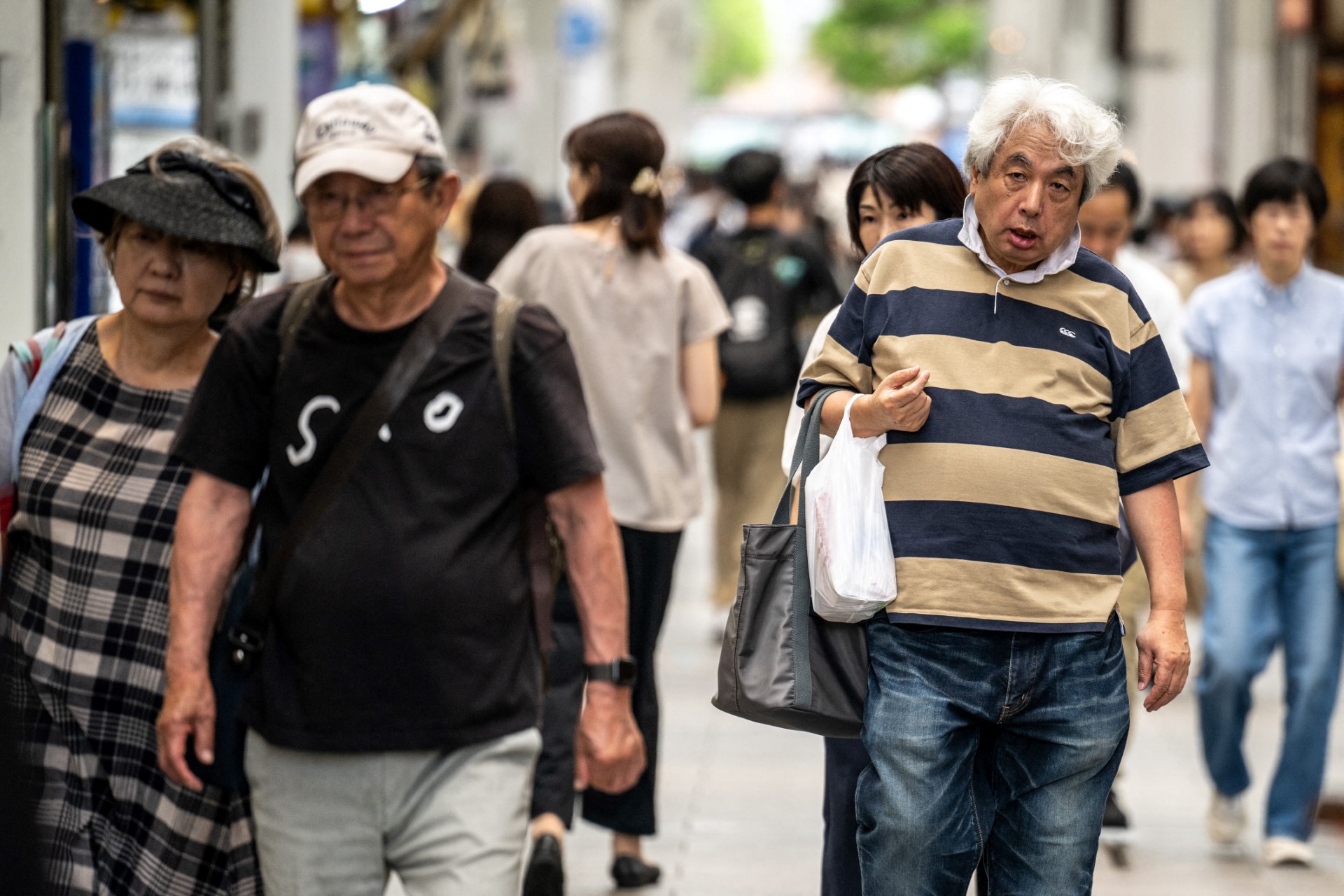
Japan’s population of centenarians continues to increase, reaching a new high in the scale of longevity. According to the latest statistics released by the Ministry of Health, Labour and Welfare of Japan on September 15, the total population of people aged 100 and above has reached 107,677, an increase of 7,914 from the previous year, surpassing 100,000 for the first time. This marks a 56-year consecutive increase and sets a new historical record.
In terms of gender, there are 94,298 females, accounting for approximately 87.6% of the total population, while there are 13,379 males. Women clearly dominate the population of centenarians.
The population of centenarians in Japan has been steadily increasing since 1963 when the statistics were first recorded. In that year, there were only 153 people aged 100 and above, which surpassed 10,000 in 1998, 50,000 in 2012, and now exceeding 100,000. The Ministry of Health, Labour and Welfare attributes the long-term increase in the population of centenarians to factors such as improvements in medical care.
The oldest person in Japan this year is 114-year-old Fuyo Kishimoto from Kyoto, while the oldest man is 112-year-old Hikaru Kato from Kumamoto.
At the same time, for the fiscal year 2026, there are a total of 54,294 people who have turned 100, an increase of 1,984 from the previous year, also setting a new record high. Among them, there are 45,769 women and 8,525 men. The Japanese government annually presents congratulatory letters and commemorative gifts to individuals turning 100 years old.
Furthermore, the average life expectancy in Japan remains relatively high. According to data from the Ministry of Health, Labour and Welfare, in 2025, the average life expectancy for Japanese women was 87.33 years, ranking first globally, while men had an average life expectancy of 81.35 years, ranking seventh.
The Organisation for Economic Co-operation and Development (OECD) points out that Japanese women generally have a higher life expectancy than men, partly due to the higher exposure of men to health risk factors such as smoking and excessive alcohol consumption, as well as a higher risk of premature death due to suicide, accidents, and other external causes. This gender difference in life expectancy is also one of the background factors leading to a significantly higher proportion of women than men among Japan’s centenarians.
In terms of population proportions, on average, there are 87.51 centenarians per 100,000 people in Japan. Shimane Prefecture leads the nation with 186.65 centenarians per 100,000 people, holding the top spot for 14 consecutive years, followed by Kochi Prefecture and Tottori Prefecture with 169.52 and 152.48 centenarians per 100,000 people, respectively.
There are significant differences in the proportion of centenarians across different regions, with densely populated areas showing relatively lower proportions, reflecting regional disparities in the aging population in Japan.
The milestone of over 100,000 centenarians reflects the ongoing expansion of Japan’s aging population, signaling greater long-term demands in healthcare, elderly care, and social security for the elderly.