
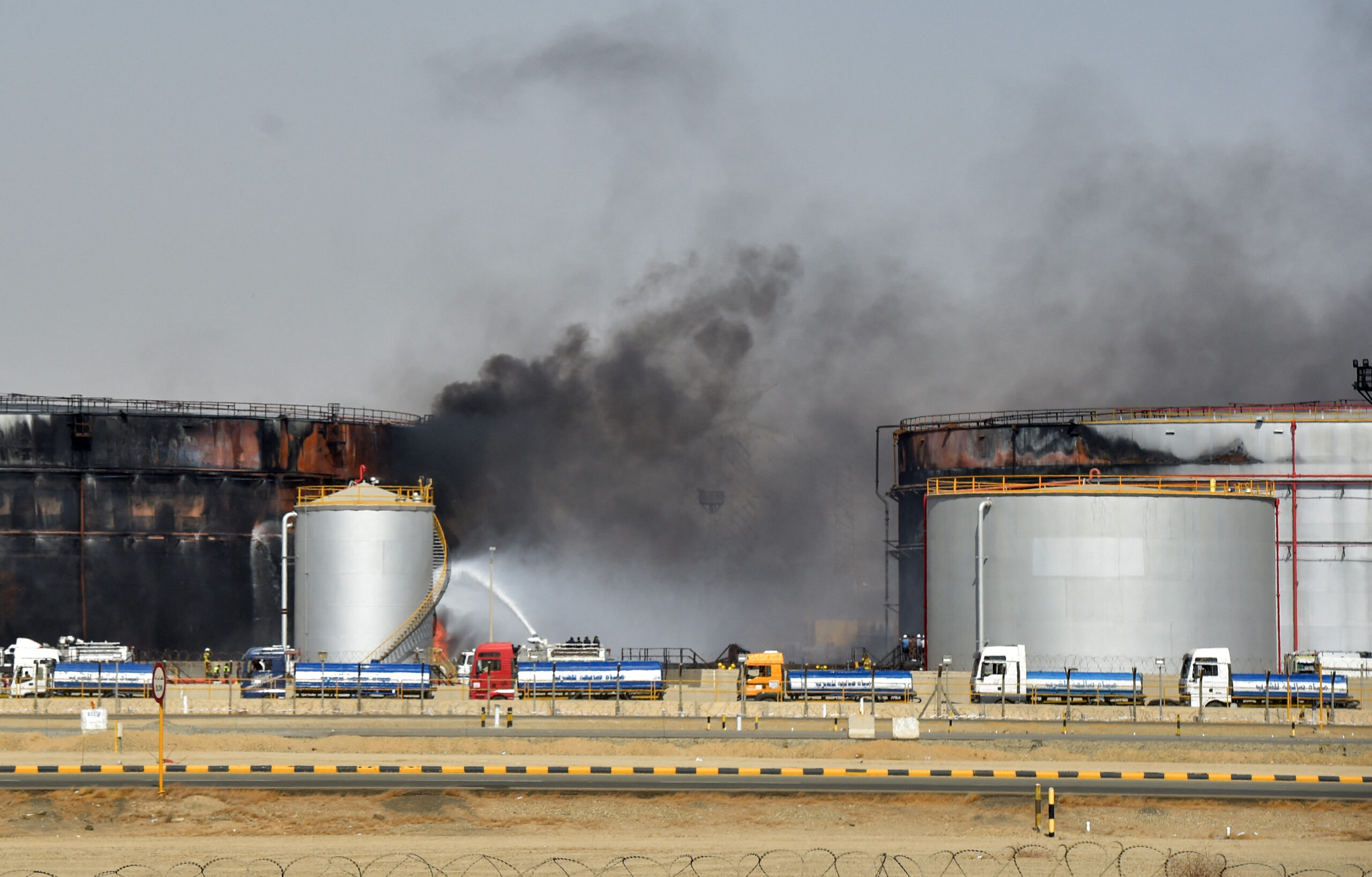
On Monday, September 15th, two unnamed officials told the Associated Press that repairs to a crucial Saudi oil pipeline damaged in a drone attack on the 10th of this month may take 3 to 5 weeks. Meanwhile, Houthi rebels in Yemen have seized a strategic island in the Red Sea shipping route, putting dual pressure on Saudi oil exports.
The targeted pipeline is the East-West Crude Oil Pipeline that spans across Saudi Arabia, stretching about 1,200 kilometers (745 miles) to transport crude oil from the Persian Gulf coast to the port of Yanbu on the Red Sea, for further export around the world.
Amid the ongoing tensions with Iran, the attacks on ships passing through the Strait of Hormuz by Iran have severely affected the region’s oil and natural gas transportation, making Saudi Arabia more reliant on the East-West pipeline, diverting more oil exports towards the Red Sea region.
However, the drone attack on September 10th damaged critical pumping station equipment, forcing Saudi authorities to temporarily shut down the pipeline. Saudi Arabia has accused Iran of orchestrating the attack.
Officials told the Associated Press that full restoration of the pipeline could take 3 to 5 weeks, with partial operations possibly maintained during the repair period, though the remaining capacity is uncertain.
On Monday, the Norwegian research firm Rystad Energy analyzed that since late August, the pipeline has been transporting between 2.6 to 4 million barrels of crude oil daily. If the transport halts completely, the market would lose this supply, causing Brent crude oil prices to surge to $109 per barrel that day.
Rystad Energy stated that a prolonged shutdown of the pipeline would cause “significant disruptions,” potentially requiring global oil flows to readjust. While the market might absorb the impact in the short term, an extended shutdown could lead to substantial changes in global oil flows.
On the same day, US Energy Secretary Christopher Wright, in an interview with Bloomberg TV, commented on the repair of the Saudi oil pipeline. He mentioned, “I believe we will soon see the pipeline back in operation as the Saudis are carefully assessing the extent of the damage and necessary steps to be taken; there should be clearer results soon.”
Saudi Aramco, the company operating the oil pipeline, has yet to respond to the situation.
Apart from the damage to the oil supply, the threat posed by Iran-backed Houthi rebels in Yemen also affects oil and gas transportation in the Red Sea region.
On Monday, the Yemeni government and Houthi forces announced that the rebels had captured the strategically important Greater Hanish and Lesser Hanish islands, located approximately 160 kilometers (100 miles) north of the Bab el-Mandeb strait, a crucial gateway connecting the Red Sea with international waters and a key route for Saudi oil exports to Asian markets.
Following this advancement, the Houthi rebels are now approximately 30 kilometers away from the US military base inside the African country Djibouti. Over the past month, the rebels have consistently targeted Saudi oil facilities and Red Sea shipping to pressure Saudi Arabia into compromising with Iran and influencing global oil prices.
Rystad Energy pointed out that since the end of July when the Houthi rebels began attacking shipping in the Bab el-Mandeb strait, most oil tankers destined for Yanbu have diverted northward, leading to significantly increased overall oil transport times and costs via the Suez Canal or the Egypt pipeline.