
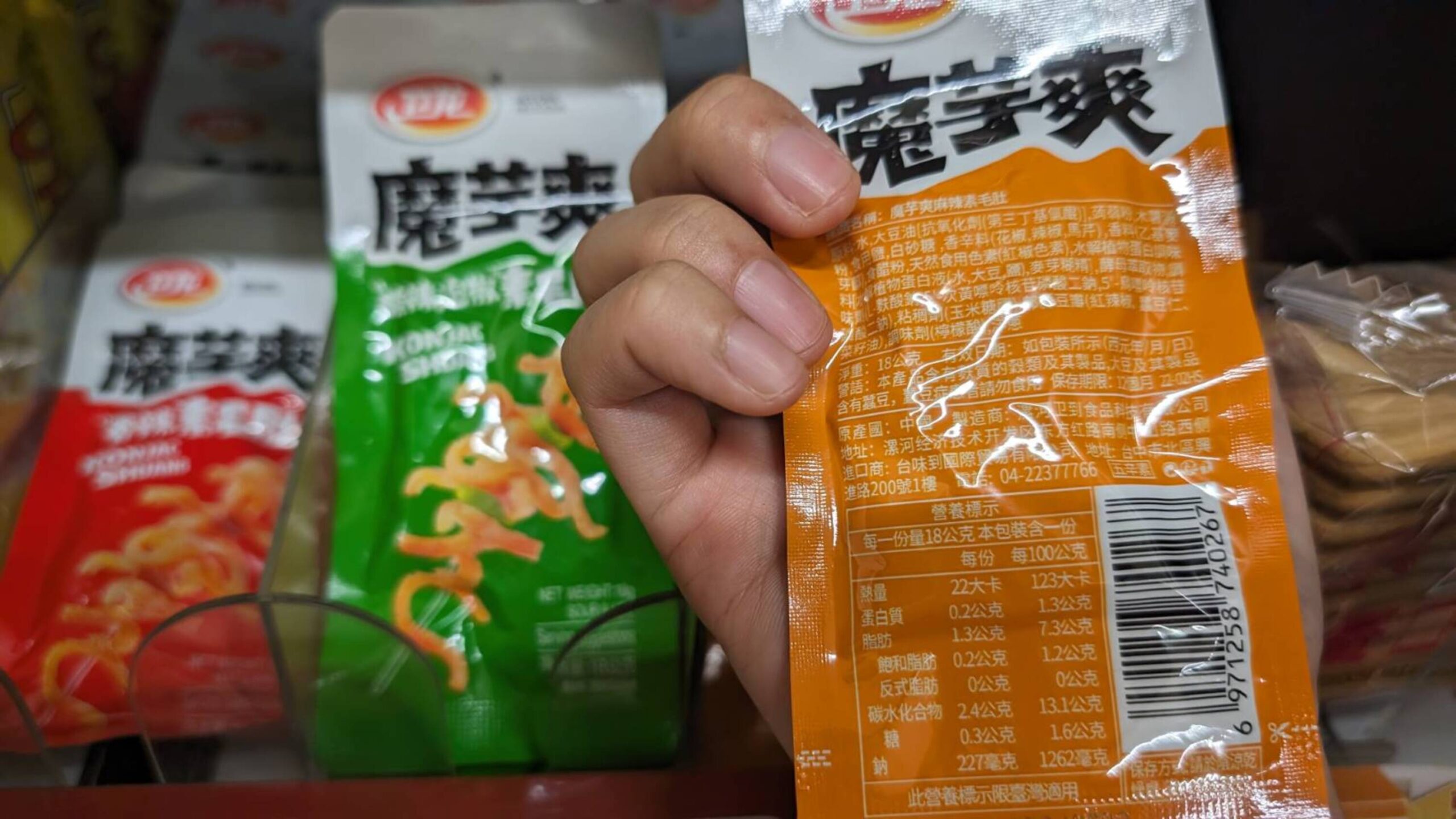
In recent days, the 162 tons of konjac flour imported from Indonesia by Henan Weilong Food Enterprise E-commerce Development Co., Ltd., a subsidiary of Weilong, was found to exceed the standard for sulfur dioxide content. This incident has sparked discussions among consumers. According to the General Administration of Customs in China, the batch of konjac flour imported from Indonesia by Henan Weilong Food Enterprise E-commerce Development Co., Ltd. was rejected at the border for exceeding the sulfur dioxide limit specified in GB2760-2024.
On September 14th, Weilong’s official customer service responded to the incident to “21st Century Business,” stating that the non-compliant raw materials have been returned in accordance with regulations and have not been used in any Weilong products, unrelated to the products available on the market.
Konjac flour is a core ingredient in popular snacks like Weilong Konjac Jelly. Sulfur dioxide is commonly used in the industry for its efficient antioxidative and antibacterial properties during konjac processing. Excessive intake of sulfur dioxide may irritate the gastrointestinal mucosa, leading to digestive system diseases, as well as potentially affecting calcium absorption and damaging liver and kidney functions.
The Weilong incident has sparked widespread discussions among consumers. Netizens have raised concerns, questioning whether the intercepted raw materials are related to products already sold that have not been tested. Some expressed shock and concern about consuming the products in their possession, while others pondered about the safety of consuming any food products at all.
In recent years, vegetable products like Konjac Jelly have replaced traditional spicy snacks, becoming the main revenue driver for Weilong. In the first half of 2026, revenue from seasoning products like spicy bars decreased by 9.8% year-on-year, with their revenue share dramatically dropping to 31.8%. Meanwhile, revenue from vegetable products represented by Konjac Jelly increased by 15.8%, accounting for 65.7% of total revenue.
Due to the high prices of konjac raw materials domestically, high-quality konjac flour is priced close to 100,000 yuan per ton, prompting Weilong to heavily rely on sourcing low-cost raw materials from Southeast Asian regions like Indonesia.
In response to this incident, experts in the food industry have called on Weilong to publicly disclose the full set of testing data and introduce third-party authoritative institutions for verification. They also advocate for a comprehensive upgrade of supplier qualifications, sampling inspections, and traceability systems to strengthen the safety of raw materials and regain public trust.
In August 2020, Qingdao Weilong Food’s import of 101.54 tons of dried konjac slices from Indonesia was rejected due to not meeting inspection and quarantine requirements. In 2024, over 43 kilograms of Weilong’s “Kisses” products were recalled in Japan for containing the banned food additive TBHQ. In 2018, reports from several regions like Hubei, Shanxi, Guizhou, and Ningbo revealed that Weilong’s core products like “Kisses,” “Xiaomianjin,” and “Damianjin” contained prohibited preservatives like sorbic acid and its potassium salt, dehydroacetic acid and its sodium salt.
Numerous complaints about Weilong products have also surfaced on major third-party complaint platforms such as HeiMao Complaints, focusing on issues like foreign objects like hair or insects found inside packaging, damage to packaging causing product spoilage and mold, as well as occasional disputes over “short-weight” packaging issues.
As of September 14th closing, the share price of Weilong Delicacy (09985.HK) has plummeted by over 35% since the beginning of the year.