
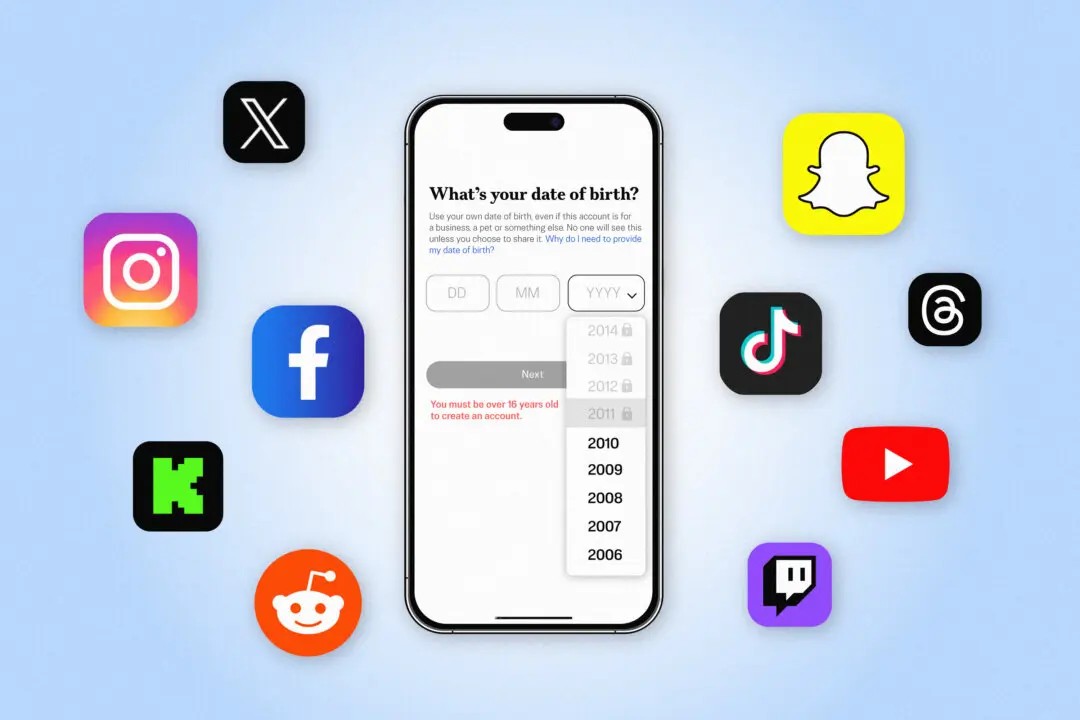
The European Union is set to propose a comprehensive plan aimed at protecting children from online harm, according to a document seen by Reuters. The proposal includes prohibiting children under the age of 15 from independently using social media, video-sharing platforms, AI chatbots, and online games. This initiative is one of the most extensive efforts to safeguard children from online dangers.
Concerns about the impact of online platforms on children’s health and safety have been increasing globally. Platforms in question include Meta’s Facebook and Instagram, TikTok, Google’s YouTube, and ChatGPT, among other mainstream applications.
The proposal is part of the EU Kids Act, with Ursula von der Leyen, the President of the European Commission, and Henna Virkkunen, the EU’s Technology Affairs Commissioner, set to officially submit it on Thursday, September 17. Details may be revealed earlier by von der Leyen during the State of the Union address on Wednesday, September 16.
The document states, “The EU’s policy should ensure that minors are protected from harm and exploitation while enjoying the immense potential of digital services. We should limit tech companies’ access to our children, rather than allowing children unrestricted access to tech companies.”
The European Commission’s proposal also covers electronic gaming platforms and plans to implement a gradual age-based access policy. The regulatory responsibilities that companies must adhere to will depend on the type of service and the age of the users.
The European Commission declined to comment on the matter.
According to the document, relevant companies will be required to pay regulatory fees to fund enforcement and oversight activities by organizations. Specific regulations for each age group are as follows:
– 15 and above: Can independently register and use personal accounts.
– 13 to 14 years old: Parental assistance is required to create introductory accounts, with usage under parental supervision, limitations on contacts, and screen time.
– 3 to 12 years old: Accounts are entirely controlled by parents, with access restricted to child-friendly services adhering to strict safety standards.
– Below 3 years old: Full prohibition from using related services.
Adjustments to the details of the draft may still be made before it is formally announced. Prior to becoming law, the European Commission will need to reach consensus with EU member states and the European Parliament in the coming months.
Moreover, the draft requires companies to prevent addictive design and the promotion of harmful content, provide convenient channels for reporting harmful content, and offer effective parental control tools. Social media and video platforms will need to verify ages upon new account registration, while network gaming platforms must complete age verification before downloads.
Major tech companies have responded, stating that preventive measures have been taken, and most platforms now have a minimum registration age threshold of at least 13 years old.
The stringent legislative draft by the EU is not an isolated case but is the latest example of a global trend of enhancing online protection for minors against tech giants. In recent years, many countries have passed laws or proposed bills, forming a united front to strengthen online protections for minors:
– Australia passed the world’s first legislation at the end of 2024, mandating social media platforms to verify users’ age and completely banning under 16-year-olds from using mainstream platforms such as TikTok, Instagram, X, and YouTube, with violators facing fines of up to 50 million Australian dollars.
– The U.S. Congress is advancing the Children’s Online Safety Act (KOSA), requiring platforms to uphold a “Duty of Care,” restricting the promotion of harmful content like self-harm, bullying, and eating disorders to minors. States such as California and Florida have also enacted laws limiting minors from creating social media accounts.
– The UK’s Online Safety Act has come into effect, empowering the regulatory body Ofcom to combat harmful content and hold executives criminally liable and impose hefty fines for failing to fulfill their duty of care responsibilities.