
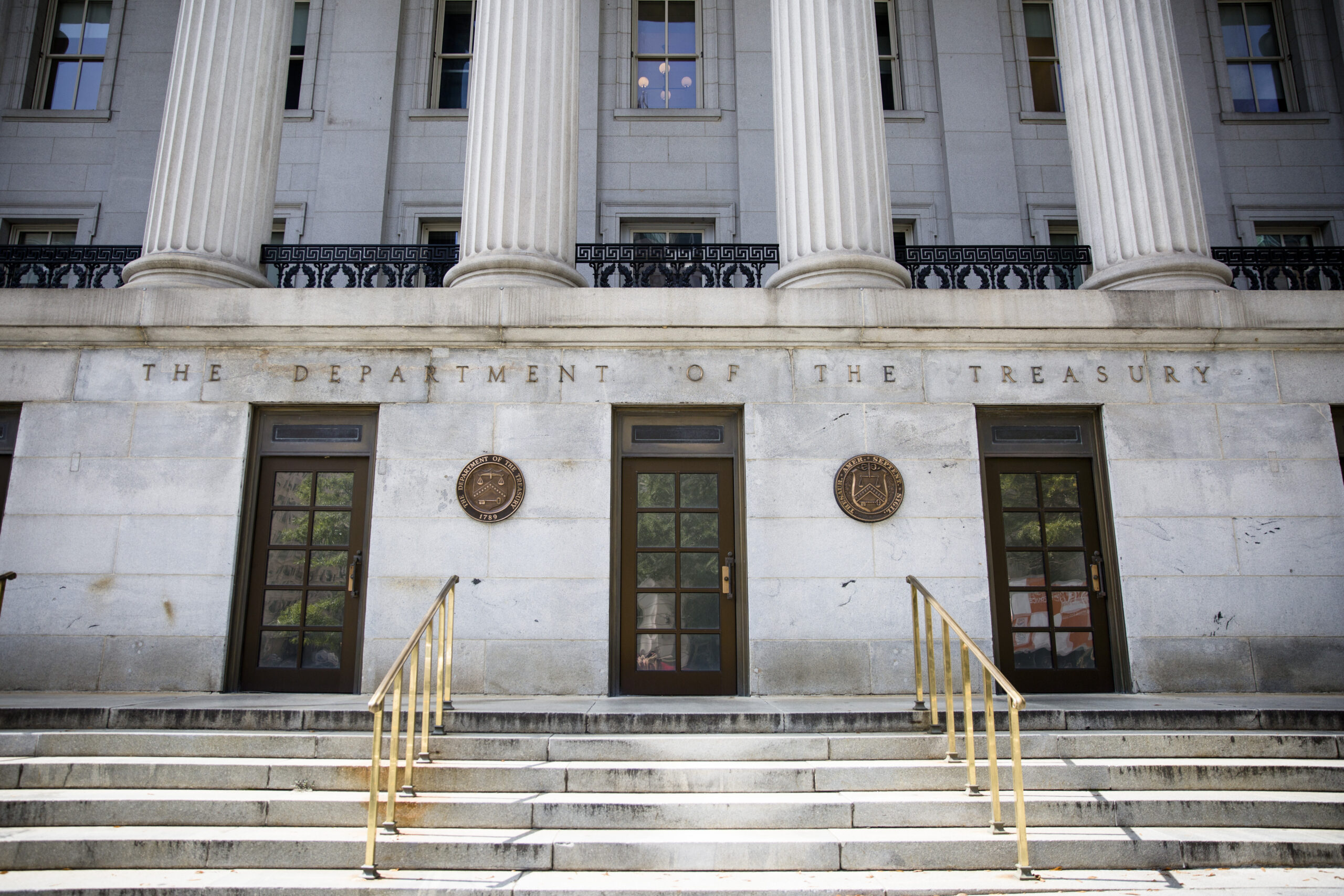
The US Department of the Treasury, through its Financial Crimes Enforcement Network (FinCEN), has uncovered approximately $17.5 billion in suspicious financial activities related to healthcare fraud.
Treasury Secretary Scott Bessent stated in a declaration on September 9th that financial institutions providing critical information to law enforcement agencies by identifying and reporting suspicious activities enable them to understand and combat illegal actors who exploit US healthcare welfare programs.
FinCEN analyzed 5,702 reports filed by 471 financial institutions between March 1, 2025, and February 28, 2026, under the Bank Secrecy Act, identifying key patterns of suspected fraud in financial trend analysis.
According to the Treasury’s analysis, California has the highest number of addresses for suspicious healthcare providers, followed by Puerto Rico, Florida, New York, and Minnesota. Cities with a higher number of reported suspicious activities include Glendale, Los Angeles, and Van Nuys in California, as well as Minneapolis, Miami, and Brooklyn.
In most cases, suspicious vendors marked their registered addresses in residential or non-medical buildings, many of which are abandoned.
The report highlighted additional cases, such as a dental clinic in Alaska receiving over $25 million in medical payments. The clinic appeared to operate normally, but several owners had no affiliation with dental business.
Documents submitted under the Bank Secrecy Act revealed that these medical payments were seemingly used for cash withdrawals, personal expenses, and payments to other businesses owned by the owners.
The report further indicated that suspicious vendors also included providers of home healthcare and hospice care services.
Individuals suspected of engaging in illicit activities utilized a series of money laundering techniques before spending received healthcare payments, ranging from simple fund transfers to complex layering processes.
In many instances, suspicious funds were used for personal expenses and luxury purchases, with some funds transferred overseas.
The Financial Crimes Enforcement Network stated, “A small portion of reporting institutions claim that suspected healthcare fraud activities may involve large-scale fraud rings or criminal networks, or may have connections to foreign entities.”
International fund transfers mentioned involve 32 countries and regions, with Hong Kong being the most common, followed by Canada, Mexico, Nigeria, Pakistan, mainland China, the Philippines, Turkey, and the United Arab Emirates. The Treasury did not specify the final destination of these transferred funds in the report.
In one case, a pharmacy in New York City received approximately $20 million in payments from federal Medicare contractors, state health agencies, and pharmacy benefit management organizations. Subsequently, the pharmacy made payments to several wholesale companies registered in Hong Kong.
Institutions submitting reports under the Bank Secrecy Act suspect that this pharmacy is part of a larger fraud ring in the New York City area.
The US Treasury pointed out in its analysis that due to the multi-layered nature of international transactions, “it is highly likely that the majority of suspicious funds were transferred overseas, but financial institutions failed to notice this issue as these transfers typically pass through multiple financial institutions.”