
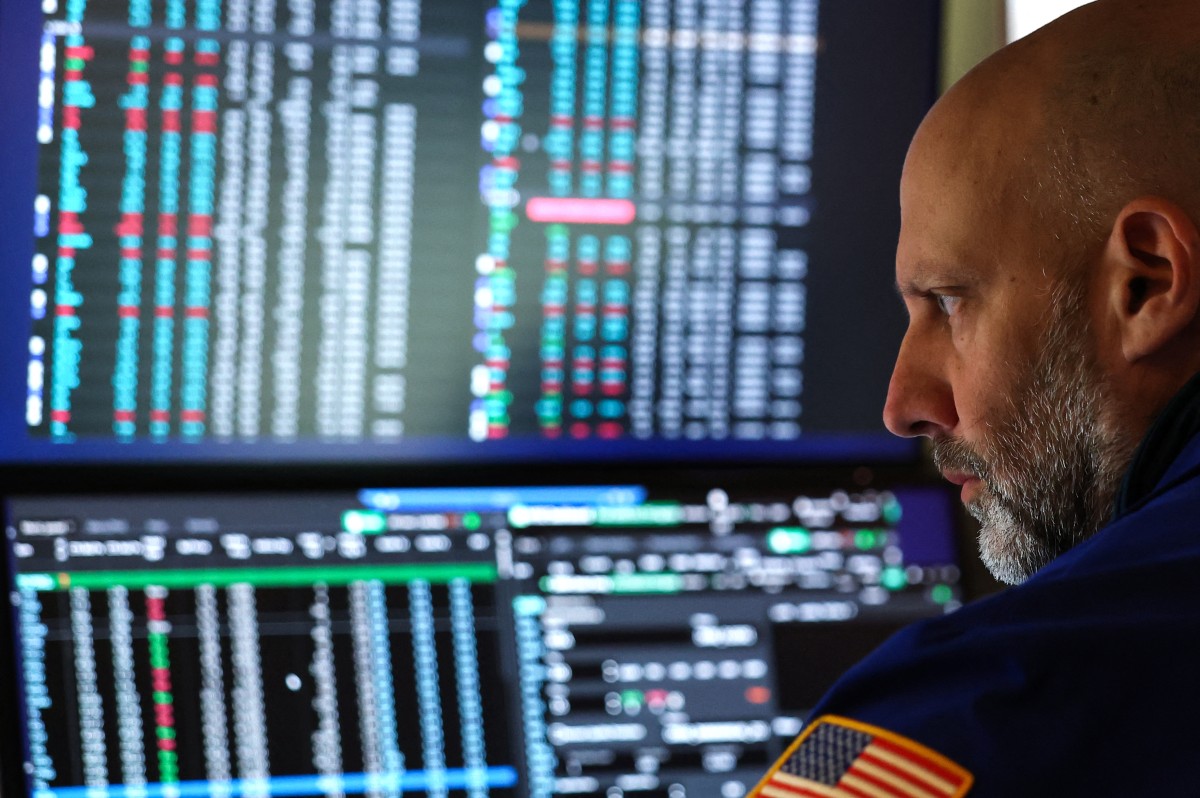
The uncertainty in the Middle East situation pushed U.S. bond yields to multi-year highs, intensifying investors’ concerns about borrowing costs and inflation. On Tuesday (August 18), major U.S. stock indexes closed in the red, with the technology and semiconductor sectors experiencing the heaviest losses.
The S&P 500 index fell by 0.69% to close at 7691.76 points, while the Nasdaq index dropped by 1.33% to 26,289.71 points, both marking their largest single-day declines since July 29. The Dow Jones Industrial Average slipped by 0.22% to 53,343.40 points. The Philadelphia Semiconductor Index, which tracks semiconductor stocks, tumbled by 5%.
According to analysts, this selling pressure stemmed from the stalled Middle East peace negotiations, which drove oil prices higher. The rise in oil prices has heightened investors’ concerns about a resurgence of inflation, subsequently pushing up the yield on the 30-year U.S. Treasury bonds to its highest level in about 19 years. Burns McKinney, portfolio manager at NFJ Investment Group, described this as a domino effect: the breakdown in negotiations led to an increase in oil prices, which in turn raised expectations of inflation and bond yields. Rising yields often disproportionately impact technology stocks.
Leading AI chipmaker Nvidia saw its stock price drop by 2.3%, while memory chip manufacturer Micron, after days of consecutive gains, plummeted by 7% in a single day. Other semiconductor-related stocks also generally weakened. Meanwhile, funds flowed towards defensive sectors such as healthcare and consumer staples, which showed resilience. Energy stocks performed the best thanks to the rise in oil prices.
Retail giant Home Depot reported better-than-expected second-quarter revenue, with its stock price only slightly decreasing by 0.1%. The market will now focus on the upcoming earnings reports from retailers like Walmart later this week and the Federal Reserve’s forthcoming meeting minutes, as investors seek insights into how the central bank views the current economic situation. In addition, Nvidia’s earnings report scheduled for next week is also seen as a crucial gauge of whether the current AI investment frenzy can continue.