
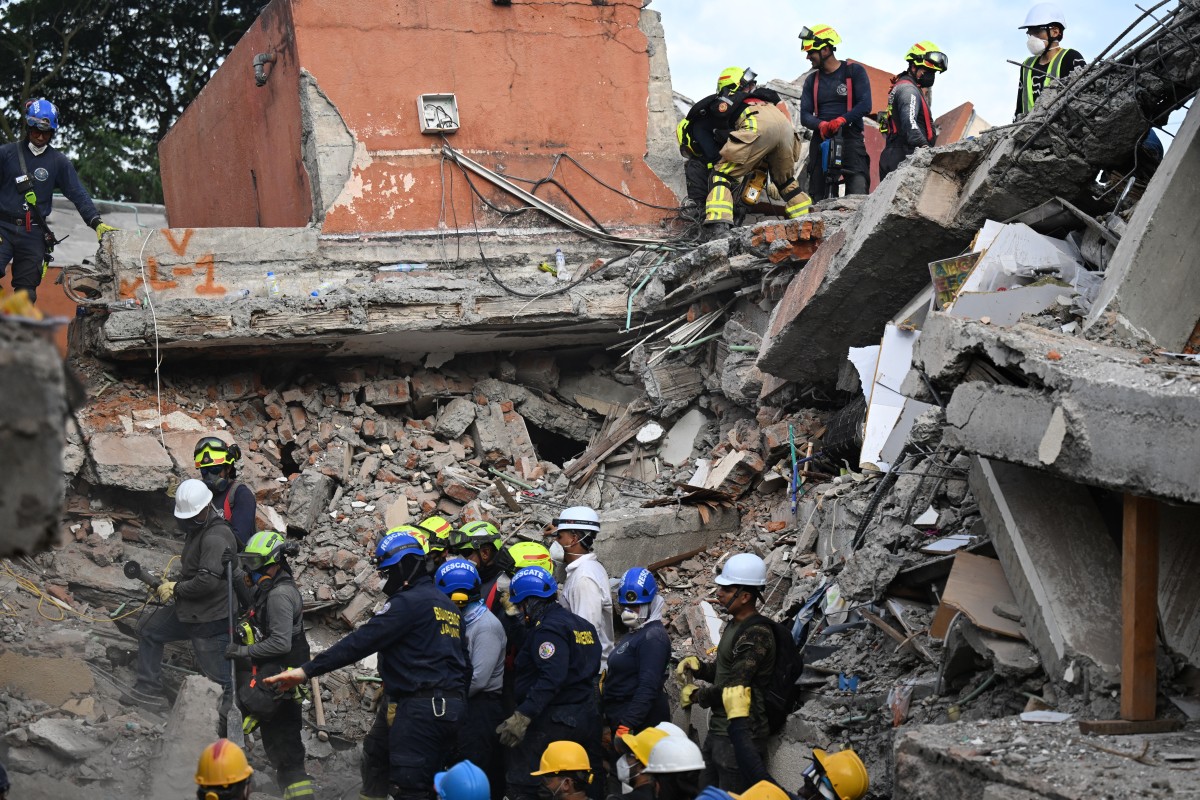
On Wednesday, August 12, Colombian President Abelardo De La Espriella announced the establishment of an emergency fund to rebuild hospitals, schools, residences, and infrastructure damaged in the earthquake. The earthquake has already claimed 265 lives and left nearly 500 people missing, with rescue efforts entering a critical 72-hour window.
The 7.4-magnitude earthquake struck around 7 a.m. local time on August 10 in the western region of Colombia. Official figures show around 3,770 people injured and over 9,550 homes damaged or destroyed. The coffee-producing regions and western valleys have been severely affected, with Pereira and Cali reporting 83 and 74 deaths respectively.
Cali Mayor Alejandro Eder stated that rescue workers are racing against time. Currently, rescue efforts are focused on searching for possible survivors in seven buildings within the city of Cali.
In the residential area of Torres del Limonar in southern Cali, residents have formed relay teams with soldiers, firefighters, and government personnel to continue clearing rubble. Rescue workers mentioned that the scene has become quieter after volunteers were restricted from entering, aiding in the use of detection devices to search for signs of life beneath the debris.
Rescue workers have also cautioned that aftershocks could further increase rescue risks. Some families of the missing are still waiting at the rescue site, hoping for news about their loved ones. In Palmira, relatives of the deceased gather outside the mortuary awaiting identification.
This earthquake has posed the first major test for the De La Espriella government since taking office. In a national television address, he stated that rescue efforts will focus on locating those still missing and declared a state of economic emergency in the country, without specifying concrete measures.
During his campaign, De La Espriella advocated for reducing public spending, including cuts to the National Risk Management Department’s funding, which is currently at the forefront of disaster relief.
Colombian Foreign Minister Omar Bula denied claims of the government rejecting international aid, stating that they are coordinating the receipt of aid supplies from Peru, Mexico, and El Salvador. The Mexican search and rescue team “Topos Azteca” has also arrived in Colombia to assist in the rescue efforts.
Additionally, the Colombian coffee industry has been impacted by the earthquake. Colombia is the third-largest coffee producer globally, with hundreds of thousands of families relying on the industry for their livelihoods.
The head of the Colombian Coffee Growers Federation mentioned that operations at Buenaventura port have been partially suspended due to road damage caused by landslides, but overall coffee exports remain largely normal, mainly through ports along the Caribbean coast.
The new government must now address a series of post-disaster reconstruction issues such as housing, infrastructure, and social welfare while continuing the search and rescue efforts for the missing individuals.
(This article references reports from Reuters)